Hi, I’m Aya.
I created Untranslated Japan to explore the parts of Japan that are easy to see, but much harder to fully understand.
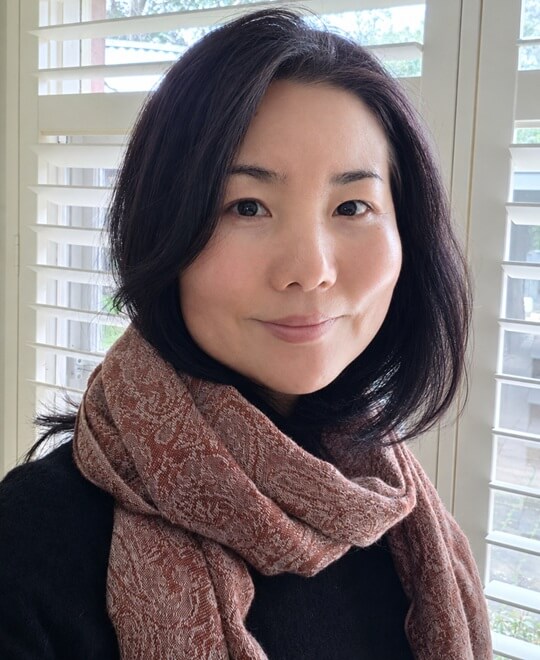
I grew up in rural Kumamoto, where Japan was simply everyday life.
The things I now write about were not things I thought of as particularly Japanese when I was growing up.
Food, seasons, family habits, the way people spoke to one another, the small rules everyone seemed to understand without explaining them. I noticed them, but I did not yet think of them as culture.
It was only later, after spending more of my life between Japan and Australia, that those ordinary details began to look different to me.
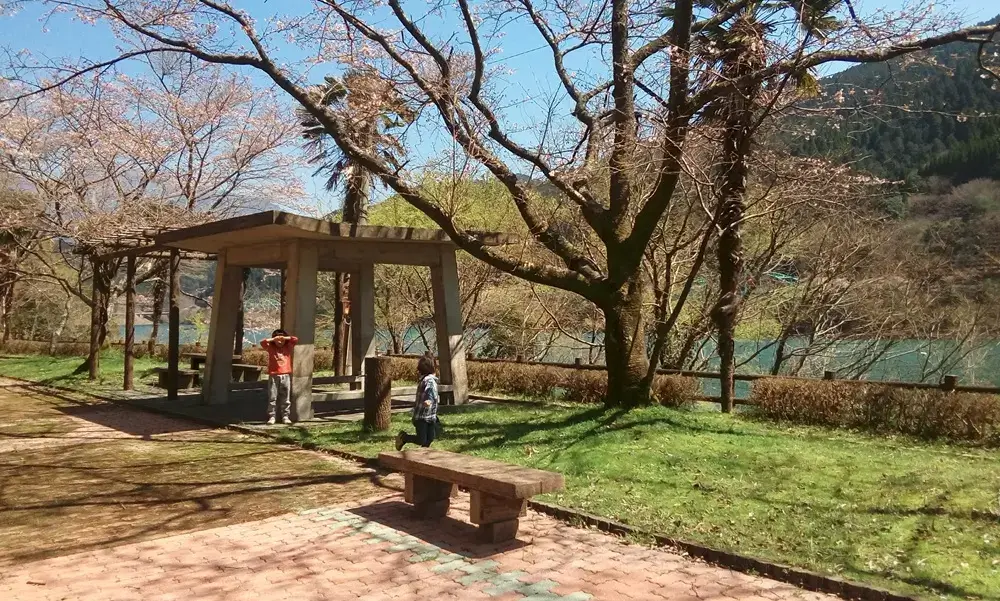
Ichifusa Dam in Kumamoto, where my family went to see the cherry blossoms every spring. Photo © Untranslated Japan.
I started seeing Japan differently after I left it.
Over the years, I heard many people come back from Japan talking about the same things: the food, the trains, how clean everything was, how safe it felt, how kind people had been.
And most of the time, I agreed with them.
But I also found myself thinking, "Yes, but there is more to it than that."
The interesting part, for me, was often the part that was hardest to explain. Why does this feel completely normal in Japan, but unusual somewhere else? Why is something done this way? Where did that habit come from? What are people assuming without ever saying it out loud?
Once I had lived outside Japan for long enough, I started noticing those differences much more clearly.
Things I had never questioned while growing up suddenly became things I wanted to understand.
That curiosity is what eventually became Untranslated Japan.
Twenty years between Japanese and English taught me to look for what words leave out.
After graduating from university, I began working in localisation, and I have stayed in that field throughout my career.
One question usually leads to another.
I am a compulsive researcher by nature. Before long, I am comparing sources, following side trails and trying to understand how the pieces fit together.
That is often how stories for Untranslated Japan begin.
For around twenty years, I have worked between Japanese and English across Japan and Australia, helping make language, products and ideas work naturally for Japanese audiences.
Localisation taught me that accuracy is about more than translating words. A message can be technically correct and still lose the tone or cultural context that made it work.
Over time, looking for that missing layer became second nature to me. It is also a big part of how I approach Untranslated Japan.
One question usually leads to another.
I am a compulsive researcher by nature. Before long, I am comparing sources, following side trails and trying to understand how the pieces fit together.
That is often how stories for Untranslated Japan begin.
Things I keep coming back to.
Simple food
I like food that is simple and made from ingredients I can recognise. Living outside Japan has also made me experiment with ways to keep familiar Japanese foods part of everyday family life, something I explore more in Japanese Kitchen.
Simple skincare
I tend to look for straightforward formulations, practical results and products that do their job without unnecessary extras. That curiosity also finds its way into the Wellness stories I write.
Music, always
Music has been part of my life for a long time. Right now, I am learning the flute from the beginning. I like being a beginner again: getting things wrong and slowly understanding something I could not do before.
Not a perfect Japan. A more understandable one.
I do not want Untranslated Japan to turn Japan into a collection of beautiful traditions, clever products or cultural rules.
You will find stories that look at the history behind everyday habits, question familiar claims about Japan, and follow small details far enough to understand why they matter.
The goal is simple: to help you come away understanding a little more than what was visible on the surface.
- Don’t make Japan simpler than it is Japan changes by region, generation and circumstance. When the answer is complicated, I would rather explain the difference than give you a cleaner story that is easier to tell.
- Keep the commercial line clear I am happy to recommend something when I genuinely think it helps. If it does not add real value for the reader, I would rather leave it out.
How Untranslated Japan handles affiliate links
Some articles on Untranslated Japan contain affiliate links. If you make a purchase or booking through one of those links, Untranslated Japan may earn a small commission at no additional cost to you.
Affiliate relationships help support the research and running costs of the site, but they do not determine which products, stays, experiences or subjects are covered. Recommendations are included only when I believe they are genuinely useful to the reader.