The Whetstone and the Edge
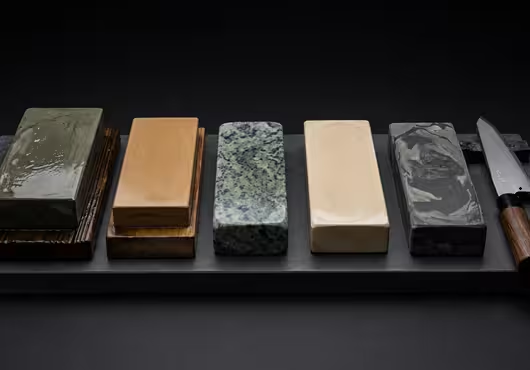
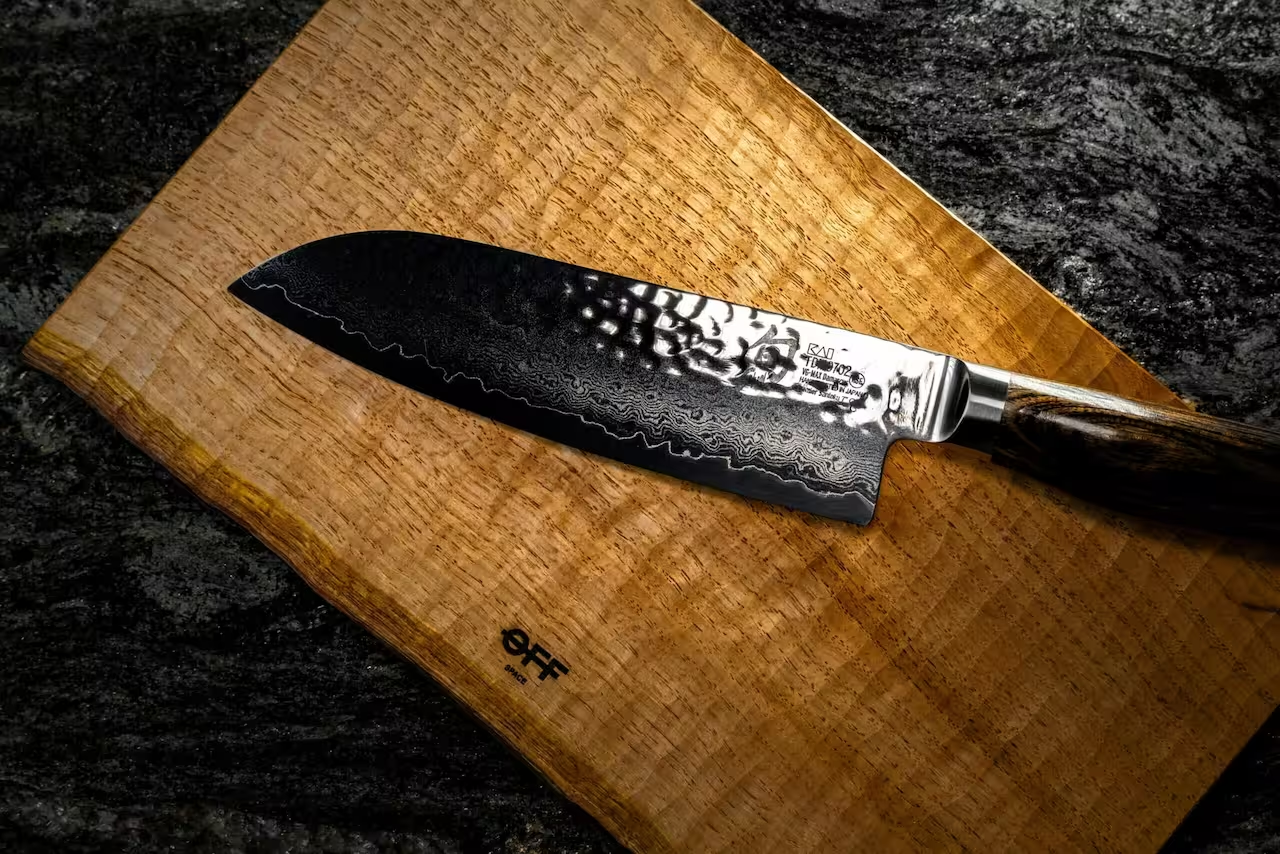
A whetstone is not a tool you pick up when something goes wrong. It is the regular practice that keeps a Japanese knife in the relationship it was made for.
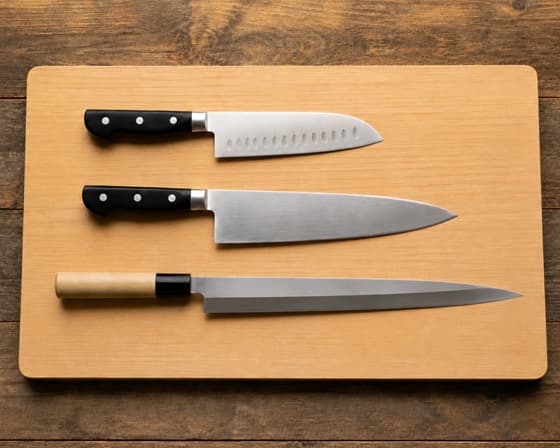
Three knives, three price points each. Santoku, Gyuto, and Yanagiba — selected for craftsmanship, steel quality, and honest usefulness. All made in Sakai.
Japanese Kitchen Knife Recommendations: Santoku, Yanagiba & Gyuto Read Post »
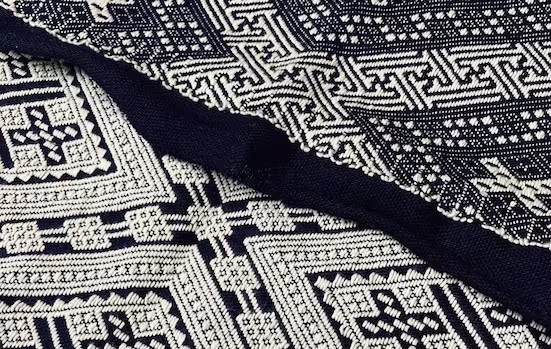
Sashiko began not as art, but as survival — women in the cold north of Japan pushing thread through hemp cloth to keep the wind out. The beauty came later.
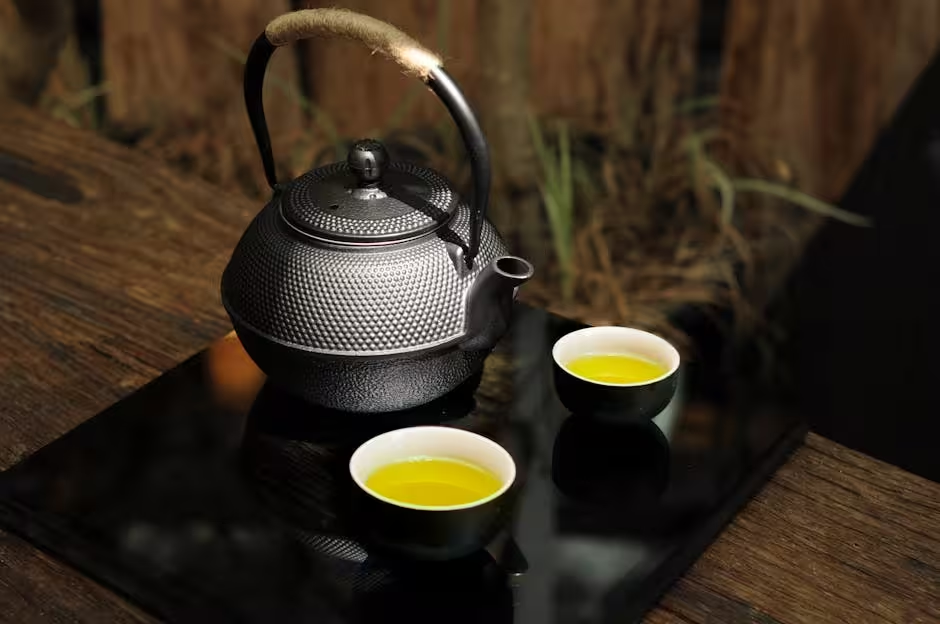
A guide to Japan’s cast iron craft from Iwate — four centuries of fire, sand, and the discipline of making things meant to last.
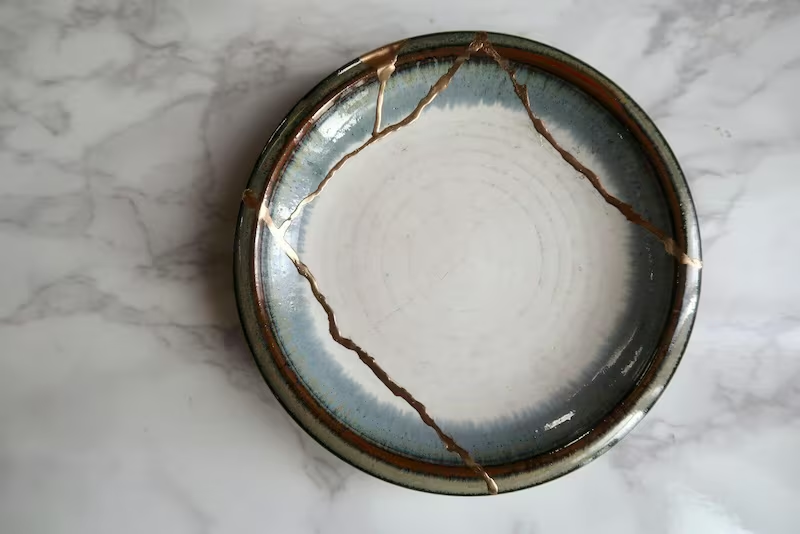
Find curated kintsugi works, authentic repair kits, and hands-on classes — selected for material integrity, transparency, and craft authenticity. Careful curation over endless choice.
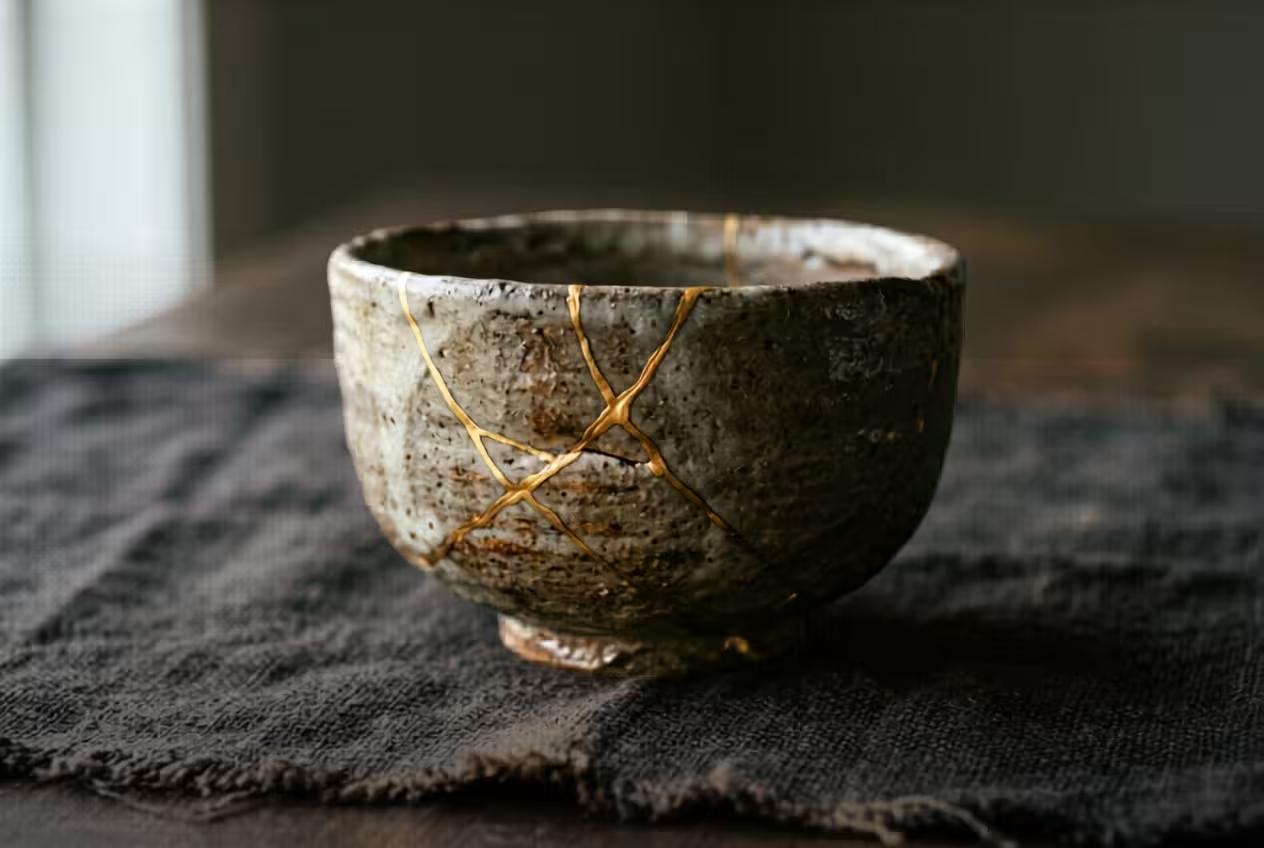
Kintsugi, where breakage is not an end, but a beginning. Discover the philosophy of wabi-sabi through ceramics reborn with gold.
Japan’s kitchen knife carries more than a sharp edge. It carries centuries of blade-making discipline — from Sakai’s forge to the cook’s hand.
UNTRANSLATED JAPAN
Curating authentic Japanese craftsmanship, cultural experiences, and luxury stays for discerning travelers.
© 2026 Untranslated Japan. Celebrating the art of Japanese craftsmanship.