The Most Expensive Thing Japan Gives You for Free
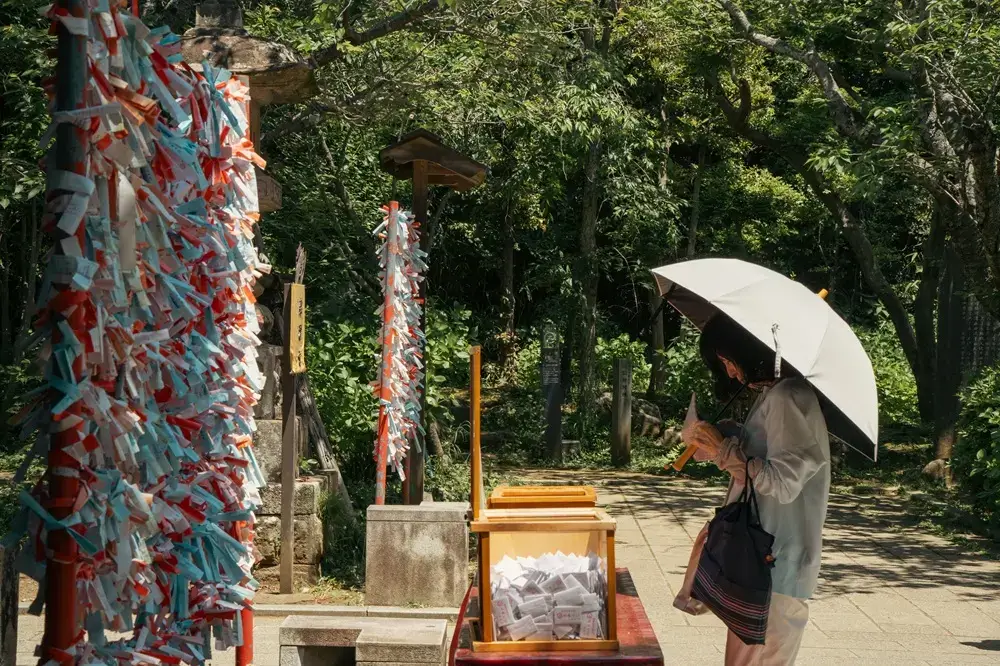
A few days after arriving in Japan, many people notice a change.
The feeling is vague. Hard to put a name to. At first, each small moment feels like a coincidence. But when the "coincidences" keep repeating day after day, you realize it isn't.
In Japan, there are surprisingly few things you need to stay on guard for.
When visitors talk about Japan, the words "safe," "clean," and "kind" almost always come up. And they aren't wrong. But there's a feeling those words don't fully explain. Without knowing why, something in your shoulders loosens.
Where does that feeling come from?
Safety Was Never Only About the Absence of Danger
"Japan is a safe country."
Hear that, and most people picture crime statistics, public order. That's part of it, certainly. But the sense of ease a traveller feels in their body isn't explained by numbers alone.
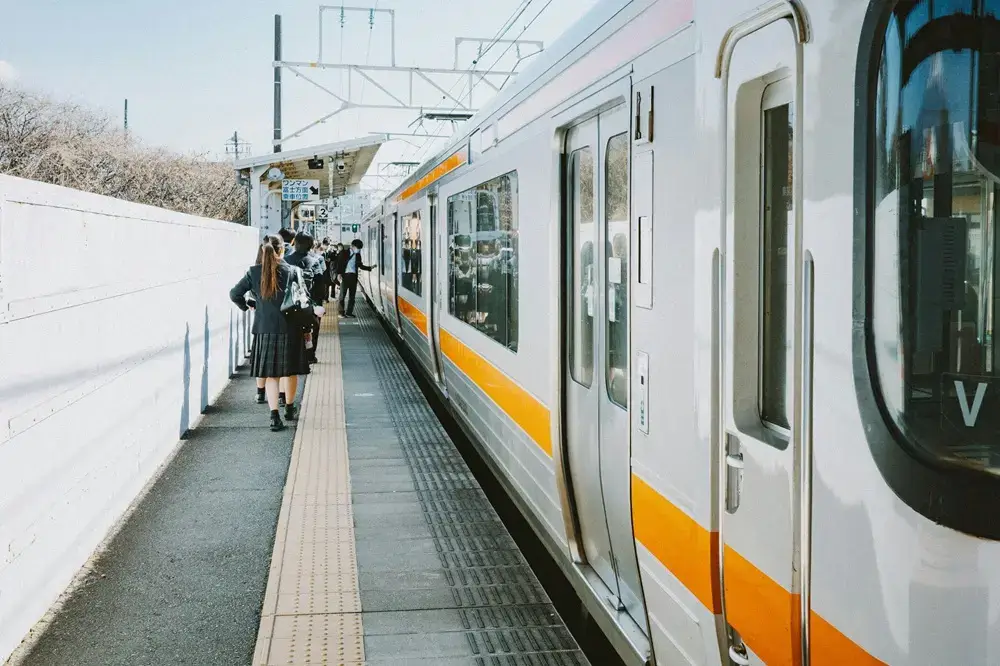
On station platforms, people naturally form lines. Walk into a convenience store, and the staff greet you in a way that's neither excessive nor cold, but roughly what you expected. In restaurants, the meal that arrives rarely looks nothing like what you ordered.
On their own, these are tiny things. Any single one of them would just be "convenient."
But stack them up, day after day, and the brain learns something.
You don't have to worry much about what happens next.
While travelling, people make far more decisions than they realise. Is this the right street? Is this shop trustworthy? Am I being overcharged? Is the reservation actually confirmed? Can I look away from my bag for a second?
In Japan, each of those small decisions quietly falls away. That's why so many travellers describe the feeling as relief.
It isn't because danger has dropped to zero.
It's because this is a society where you don't have to keep predicting what might go wrong.
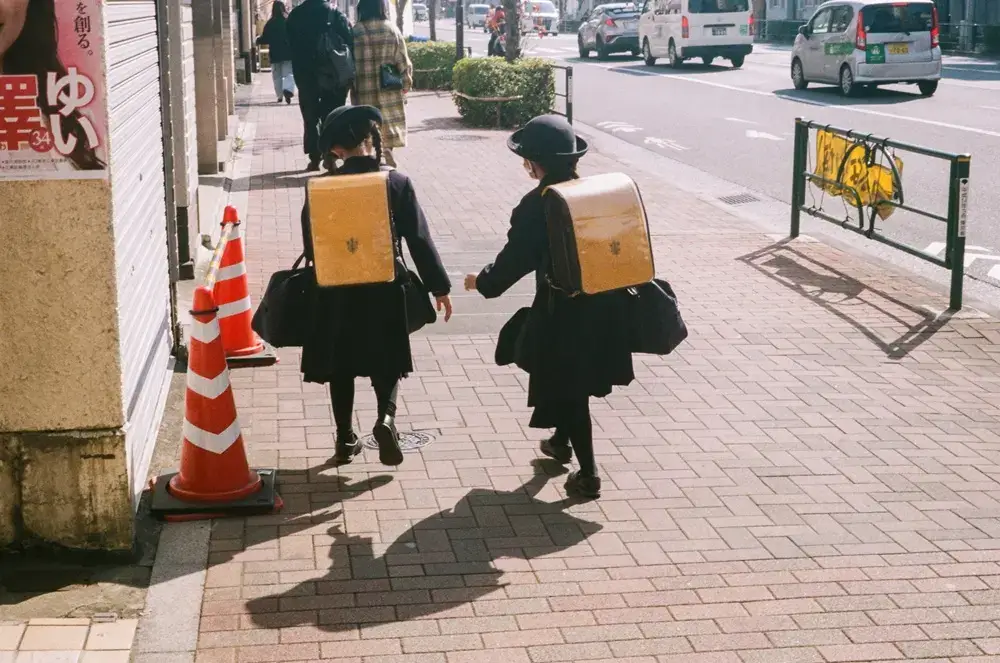
Japan Built Predictability, Piece by Piece
"Relief" is a useful word, but a vague one. So if we tried to describe the feeling more precisely, what would it be?
Predictability.
Predictability means being able to guess, roughly, what happens next. Said like that, it sounds like a dull idea. But we rely on it more than we realise.
When "as expected" happens again and again throughout the day, the brain can relax and turn its attention to whatever comes next.
The human brain is constantly predicting what will happen next. When a prediction is badly wrong, the brain burns extra energy. When the world behaves roughly as expected, that load gets lighter.
In other words, feeling safe isn't only about the absence of danger.
It's also a state where less energy is spent on predicting.
Of course, Japan has accidents and crime too. Trains run late sometimes. Service varies from one staff member to another.
Even so, in most situations, the rough expectation of "this is probably how it will go" is rarely broken badly. That accumulation may be exactly what gives visitors the impression of a country where they can relax.
What is interesting is that this predictability does not come from any single system. Unspoken rules shared across the whole of society, and the work of the countless people who hold them up, have accumulated over a long time to form an invisible infrastructure: a society that is easy to predict.
That Ease Is Made of Someone Else's Tension
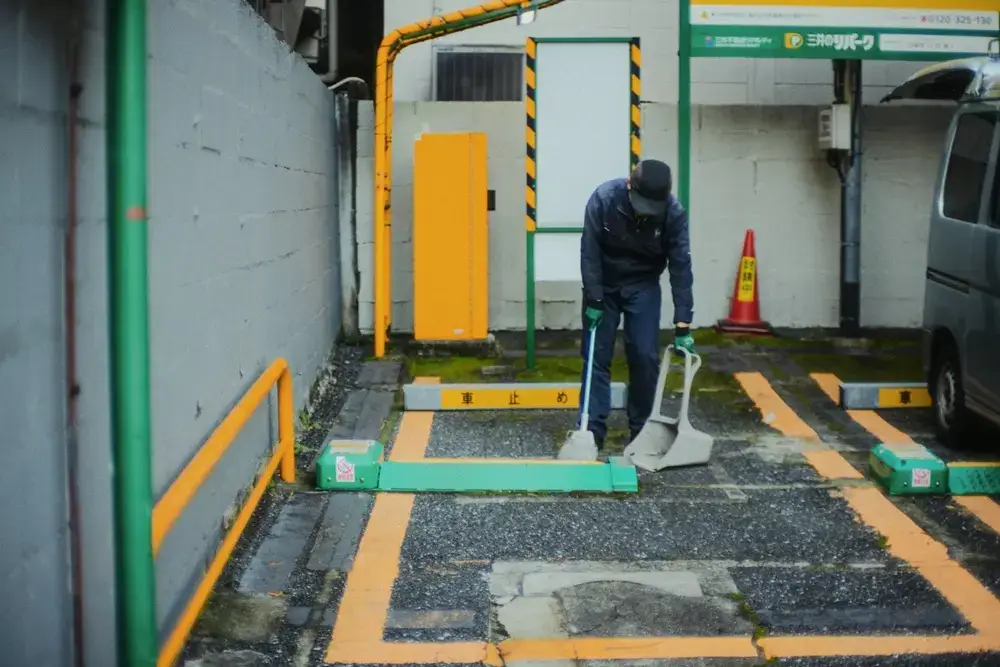
For a society to have predictability, someone has to be holding that predictability up. Trains arrive on time. Streets stay clean. Bags are handled carefully. For travellers, this is part of what feels distinctly Japanese.
But none of it happens on its own. Someone keeps the schedule. Someone maintains the standard. Someone does the invisible work, every day, without fail.
Predictability isn't created by technology alone. It only holds together because society as a whole trusts, more or less, in the same set of rules. Most people act on the unspoken understanding that they, personally, won't be the exception. That accumulation becomes the sense of safety felt across the whole of society.
Of course, there's a cost. In a society where behaving as expected is the norm, stepping outside those expectations carries its own psychological weight. Being on time. Reading the room. Not causing trouble for others. These values keep society running smoothly in many situations. But for the individual, they're also a small, constant tension, repeated over and over.
The ease a traveller feels may look so clear precisely because they're temporarily set apart from that tension.
Wanting a Life as Predictable as the Streets
As we've seen, Japan has built a society where people can feel safe by reducing everyday uncertainty.
But in recent years, this way of thinking seems to be spreading beyond the structure of society and into each of our individual lives.
Reading spoilers before watching a film. Checking reviews before choosing a restaurant. Researching a destination exhaustively on social media before travelling. In relationships too, trying to find out "what kind of person" someone is through their social media or mutual friends, as much as possible.
Gathering information isn't a bad thing in itself. Using it to reduce mistakes and make choices that suit you is entirely reasonable.
But a thought comes, unbidden.
Do we want to make better choices? Or do we want to avoid the unexpected as much as possible?
The two sound similar. They aren't quite the same.
Wanting predictability from society benefits most people. But when we try to make life itself predictable, something shifts. A job you fell into loving, without meaning to. A shop you stopped at because your plans changed. Looking back, most of the events that changed the shape of a life weren't planned from the start. Life moves in directions no one expected, precisely because they couldn't be predicted.
Don't waste time. Don't fail. Reach the right answer by the shortest route. That's a reasonable enough instinct for living in the present. But when it becomes the standard for an entire life, what are we avoiding? What are we losing?
Japan Also Has a Culture of Accepting What Can't Be Predicted
Read this far, and Japan might seem like a country that has pursued predictability. It's true: Japanese society has spent a long time reducing everyday uncertainty.
But look deeper into Japanese culture, and there's another value at work.
Japan has a word for it, shoganai. It comes up often as a word that's hard to translate into English. Put simply, it means the wisdom of making peace with what can't be controlled. Another person's behavior, a sudden illness or accident, a natural disaster. Shoganai is a word Japanese people use often, and it's also a value they carry.
Modern society seems to be trying, bit by bit, to remove the idea of shoganai from life. Perhaps, now that technology has widened how much we can predict, we are starting to mistake that for the ability to control everything in life.
Prediction and control sound alike. They are not the same.
A typhoon, for example, can be predicted to some degree. But it cannot be stopped. The chance of falling ill can be predicted too. But it cannot be fully prevented.
Japan is a country shaped by frequent earthquakes, typhoons, and floods. Perhaps this is one of the reasons why shoganai took root here, not as resignation, but as a way of living alongside forces that were never going to hold still.
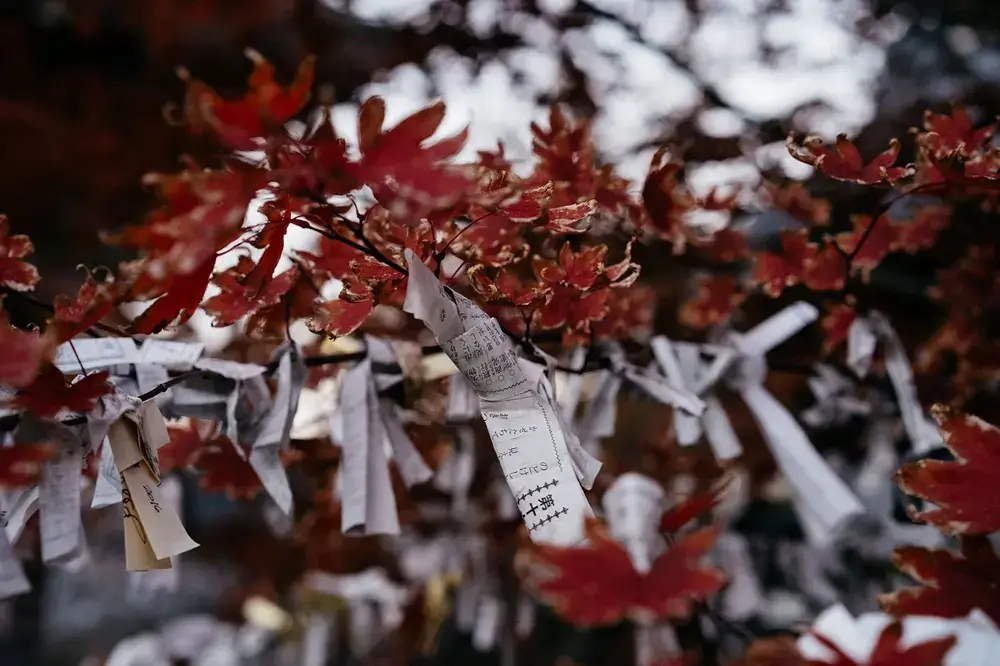
Seen this way, predictability may never have been the goal in itself for Japan. To meet the realities that cannot be changed with any calm, a reliable foundation in daily life had to come first. Without that foundation, anxiety works its way in, not only into the rhythms of everyday life, but gradually into something deeper.
Foreign visitors feel their shoulders loosen in Japan not because Japan is perfect. It is because millions of small acts, repeated every day by other people, quietly remove those small frictions for them.
And perhaps the most valuable thing Japan gives is this: the feeling that, even in a world that holds things you cannot control, daily life can still be trusted.
Questions Readers Ask
Why does Japan feel mentally less exhausting than some other countries?
Most environments demand constant small judgements: whether a street is safe, whether a price is fair, whether a queue will hold. In Japan, many of those judgements are made unnecessary by consistent systems and shared expectations. The mind spends less energy predicting, so it has more left over for everything else.
Can predictability make a society happier?
It can lower everyday stress, since fewer surprises means less mental effort spent bracing for what might go wrong. But predictability also asks something of the people inside it: behaving as expected, on time, without causing trouble. That comfort has a cost, carried quietly by the people maintaining it.
Why do people experience culture shock when they leave Japan?
After time spent inside Japan's predictable systems, the mind stops rehearsing worst cases. Trains are on time, staff behave consistently, streets are safe. Returning to a place where those things can't be assumed forces the mind to start predicting again, and that shift can feel unsettling even when nothing is actually wrong.
What is the opposite of predictability?
Not danger, exactly. Uncertainty. A world where the next moment can't be guessed. A healthy society may reduce unnecessary uncertainty in daily life while still leaving room for the uncertainty that gives life its richness.