
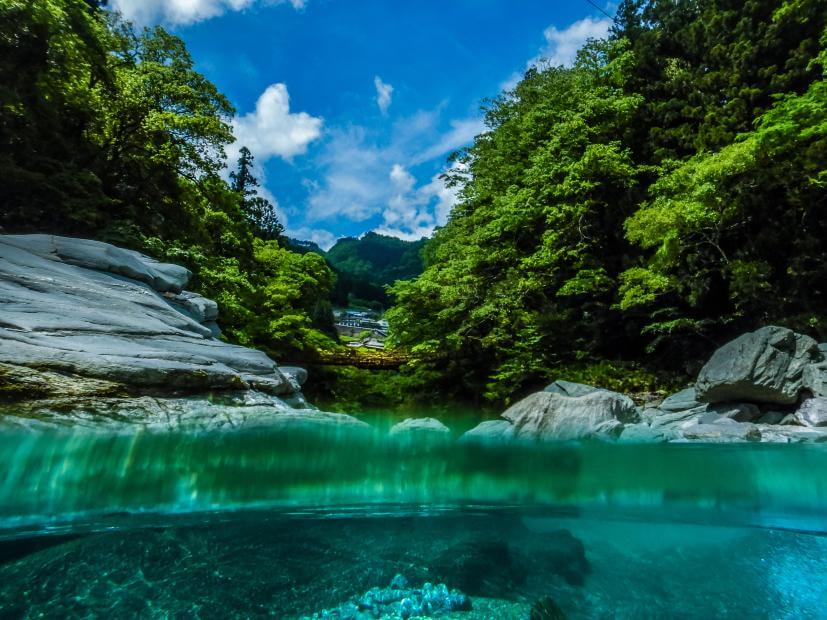
Shikoku has been on my bucket list for a long time, but I never had the chance to check it off. Next month, my family and I are heading back to Japan, and we're finally planning a trip around Shikoku. For me, a good trip always begins with thorough research.
Before I started looking into it, I knew surprisingly little about Shikoku. I knew the island is made up of four prefectures, that the historical figure Sakamoto Ryoma came from Kochi, and that Kagawa is famous for its udon. That was about the extent of my knowledge, surprisingly limited for someone who grew up in Japan.
So, to get a broad sense of what Shikoku is like, I started, as I usually do, with a map. What struck me was the range of mountains running through the centre of the island, with rivers cutting down toward the coast. Bridges connect Shikoku to Honshu to the north and east, but there is no bridge to Kyushu. This is probably one of the reasons I've never been to Shikoku, even though I'm from Kyushu myself.
During my research, I also came across the Shikoku Pilgrimage, a route linking eighty-eight temples around the island that people have walked for centuries. It sounded like something truly special. Could this be part of what makes Shikoku unique?
I know that until we actually go there, I won't have a full picture of the place. But where should we go to experience Shikoku at its best? How many days do we need? Are there places the whole family, not just the adults, would enjoy? And, most importantly, what is it that makes Shikoku unique?
Fortunately, we'll be travelling around by rental car, which will give us the freedom to reach some of the more remote valleys and mountain roads. This article is my attempt to build a rough mental map of the island before we arrive: its landscapes, its cultural traditions and its food. Because I believe that the better prepared we are, the more we'll notice once we're actually there.
The Mountains in Shikoku
Looking at Shikoku on a map, the first thing that caught my attention was the mountains.
A steep mountain range runs east to west through the island. Two of its highest peaks, Mount Ishizuchi and Mount Tsurugi, rise to almost 2,000 metres. On a relatively small island, that mountainous spine has a surprisingly large influence on what happens on either side of it.
I hadn't realised, for example, that the mountains help divide Shikoku's climate.
The Seto Inland Sea side in the north is relatively dry, while the Pacific side receives far more rain. Moist air arriving from the south rises as it meets the mountains, bringing heavy rainfall to the Pacific side, while much less reaches the other side.
The mountains help explain why different parts of the island look, grow, and live differently.
That made me want to see what those mountains actually feel like on the ground.
Oboke and Koboke: Where the Mountains Close In
One of the places my hairdresser suggested as a must-visit was Oboke and Koboke in Tokushima. When I told her we were planning to travel around Shikoku, she got quite excited. She is from that region and said, “We really love it there, and I think you would too.”
Oboke and Koboke are dramatic, V-shaped river gorges in the Shikoku Mountains along the Yoshino River. Here, the river runs through a deep gorge between steep mountain slopes. From photographs, the road, the railway and the river all seem to occupy the same narrow space, with the mountains rising almost immediately beside them.
I was also surprised to learn that the exposed rock tells a much older story. Much of it is crystalline schist, rock that was transformed deep underground roughly one hundred to two hundred million years ago before later being lifted toward the surface and exposed as the Yoshino River cut into the land. Today, those tilted layers of rock are visible along the river, and Oboke and Koboke are protected nationally for both their scenery and their geological value.
The name “Oboke and Koboke” is interesting too. One explanation is that the terrain was so dangerous that taking either a large step or a small one could be perilous.
This is one of the places where I want to see what “mountainous Shikoku” actually means, not from a viewpoint looking toward a distant peak, but from inside the landscape itself.
There seem to be several ways to do that. We are planning to take the Oboke Gorge sightseeing boat, which travels along the Yoshino River below the cliffs. It should give us a chance to look up at the rock walls from the water, rather than down from the road. The Michi-no-Eki Oboke roadside station also has displays about the geology of the gorge, alongside local stories of yokai, the supernatural beings and strange creatures of Japanese folklore. Together, they offer two very different ways of understanding the same landscape.
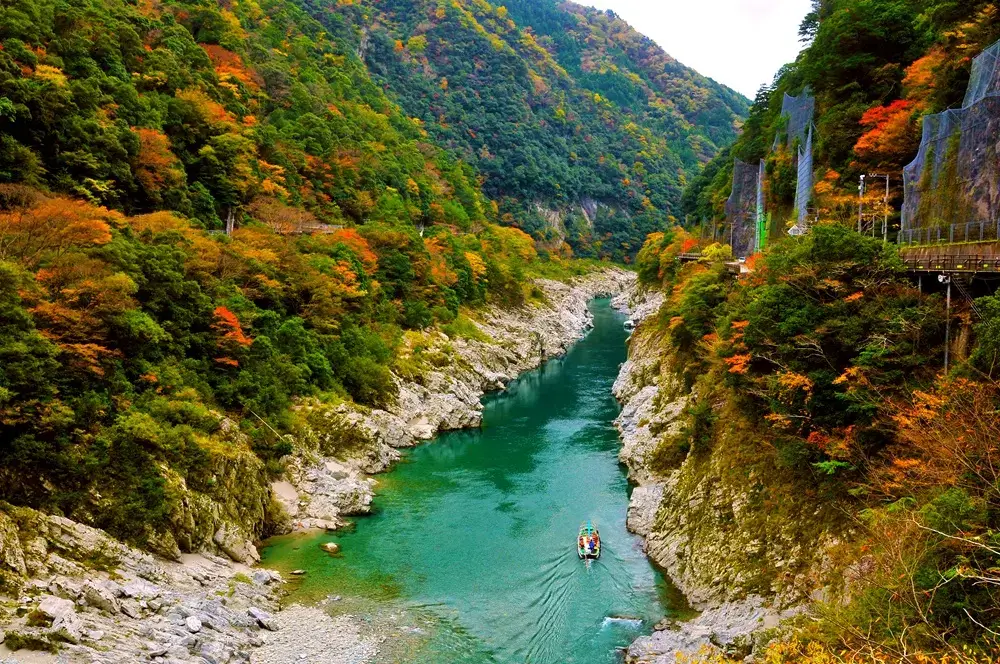
Oboke Gorge, Tokushima. Photo: Tokushima Prefecture / Tokushima Tourism Association
Iya Kazurabashi: Crossing Shikoku’s Famous Vine Bridge
Another place she suggested was Iya Kazurabashi, a suspension bridge made from mountain vines stretched across the Iya Valley. Made from natural vine rather than steel or concrete, the bridge in photos seems to belong to the landscape completely, almost as if it had been left behind from another time.
There is also a local legend attached to it. The bridge is often connected to the story of the Heike, the defeated Taira clan of the late twelfth century. The legend goes that, after the Genpei War, they fled into these mountains and built several vine bridges so they could navigate the deep gorges while keeping a way to defend themselves, since the bridges could be cut quickly if pursuers approached. Today, the bridge is reinforced with steel cables for safety, so visitors can still experience the sway without relying on the vines alone.
The bridge itself is about forty-five metres long and roughly fourteen metres above the Iya River below. Wooden slats are laid across the span with gaps between them, so as you walk, you can see the river flowing beneath your feet. Not for my mother-in-law, I thought, who is afraid of heights.
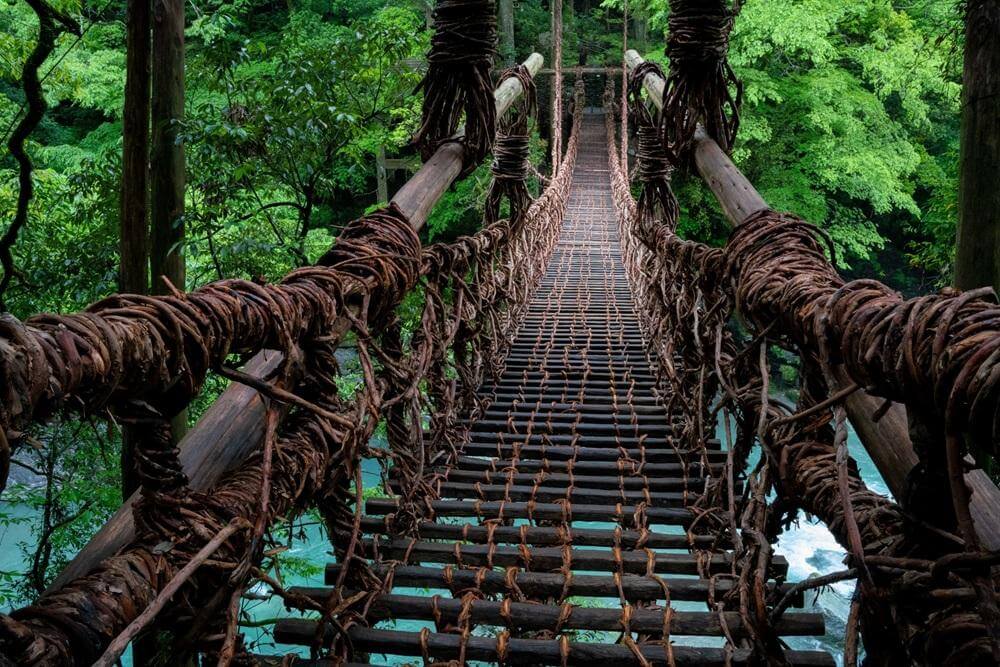
Iya Kazurabashi, Tokushima. Photo: Miyoshi City Tourism Association
But I think my boys, husband included, would enjoy a bit of a thrill, and crossing it seems like one of those experiences where I can feel the terrain underfoot while feeling the legend come to life around me.
Ochiai Village: Living on the Slope
Not far from the bridge, a lookout offers a view of Ochiai Village, where the relationship between the mountains and the people living among them becomes even easier to see.
Ochiai Village spreads across a steep mountainside. There is about 390 metres of elevation difference between the highest and lowest parts of the settlement.
When I first saw a photograph of Ochiai Village, my immediate thought was that it looked like something from an old Japanese folktale, a place that should not quite exist in the modern world. For anyone unfamiliar with that image, picture misty green mountains cradling small wooden houses on impossibly steep slopes, seemingly untouched by time.
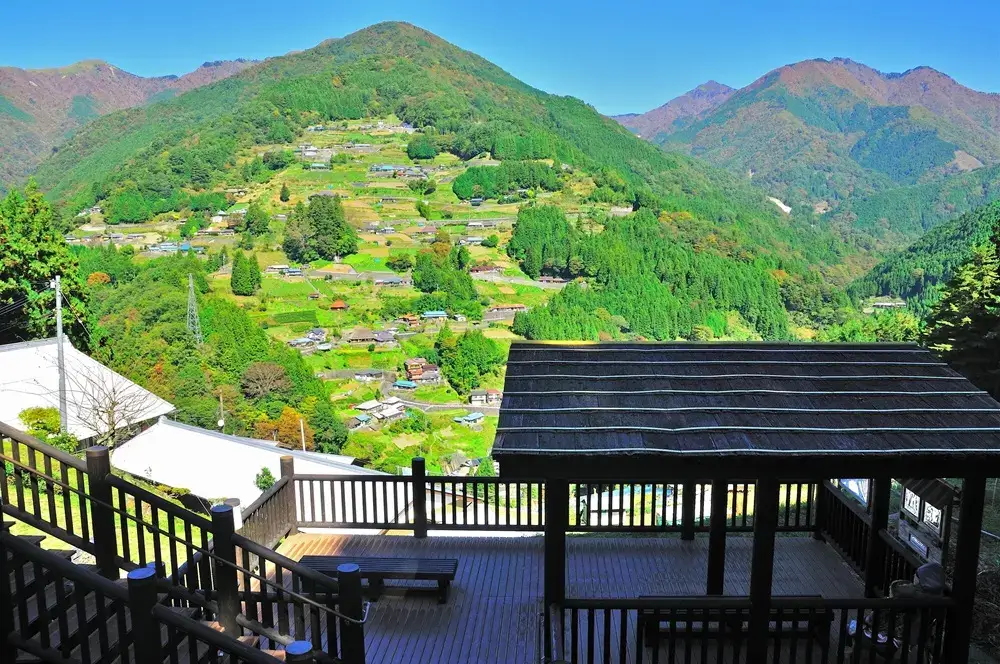
Ochiai Village, Iya, Tokushima. Photo: Tokushima Prefecture / Tokushima Tourism Association
Houses appear at different heights across the slope, separated by fields and stone walls. Some of the surviving homes date from the middle of the Edo period, while others were built through the early twentieth century. The landscape is considered important enough that the village has been designated a national Important Preservation District for Groups of Traditional Buildings.
Shikoku Karst: A Completely Different Mountain Landscape
Then, while researching our route, I kept coming across another name: Shikoku Karst.
Before planning this trip, I didn't know what a "karst" was. Karst is a type of landscape formed where water gradually dissolves soluble rock, particularly limestone. Over time, this can create exposed limestone, hollows in the ground known as dolines, caves, and other distinctive formations.
Along the border of Ehime and Kochi, a highland karst landscape stretches for roughly 25 kilometres at elevations of around 1,000 to 1,500 metres. Instead of the enclosed valleys and densely forested slopes I had begun to associate with places such as Iya, the landscape opens up.
Green grassland stretches along the ridge. White limestone emerges from it in scattered clusters. In places, cattle graze between the rocks. Some descriptions compare the white limestone scattered across the grass to a flock of sheep.
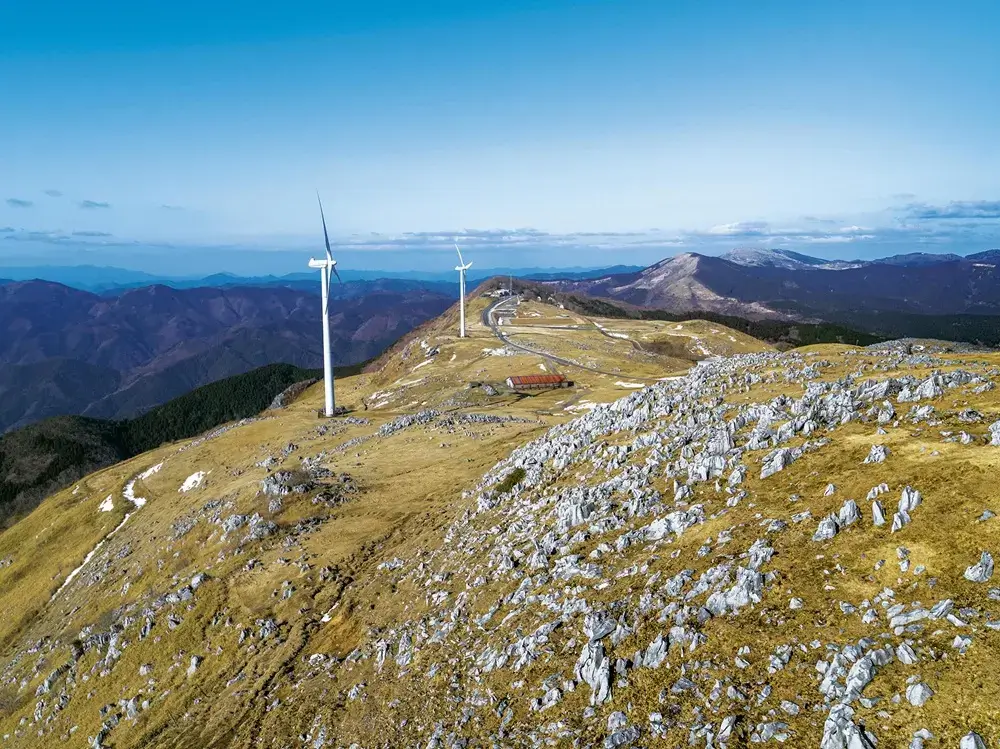
Shikoku Karst, Himezuruhira. Photo: SPC Co., Ltd. / Ehime Prefecture
A road runs along much of the ridge, which is one reason Shikoku Karst appears so often in photographs of spectacular drives through Shikoku.
What interests me most for this trip is the contrast. Around Oboke and Koboke, the mountains close in around rivers, roads, and villages. Up on Shikoku Karst, the landscape opens into broad grassland, exposed limestone, open sky, and grazing cattle. Seeing both should give us a much fuller sense of what the mountains of Shikoku are actually like.
The Rivers of Shikoku
Where there are mountains, there are rivers, and Shikoku is no exception. The rivers begin high in those mountains, squeeze through narrow valleys, gather water from countless tributaries, and eventually make their way to the sea.
I had already seen one side of that relationship while researching Oboke and Koboke. There, the Yoshino River is powerful enough to cut through the mountains and expose the ancient rock beneath them.
But that isn't all Shikoku's rivers have to offer. “Niyodo Blue” was a term I came across while researching rivers in Shikoku, and when I saw the photographs, they made me want to visit the island even more. The water looked so clear and intensely blue that, at first, I wondered whether the colours had been edited.
Niyodo River: Is the Water Really That Blue?
The term “Niyodo Blue” comes from the Niyodo River in Kochi, on the southern side of Shikoku. The river flows from the mountains toward the Pacific, and its exceptionally clear water can appear emerald green, turquoise or deep blue depending on the light, the season and the surrounding landscape. So where is the best place to see this famous colour for ourselves?
One place already on our route is Nakatsu Gorge. There, a walking trail follows a tributary of the Niyodo River through moss-covered rock, small bridges and stepping stones before reaching Uryu Falls. In good conditions, pools along the gorge show the colour that has become known as Niyodo Blue.
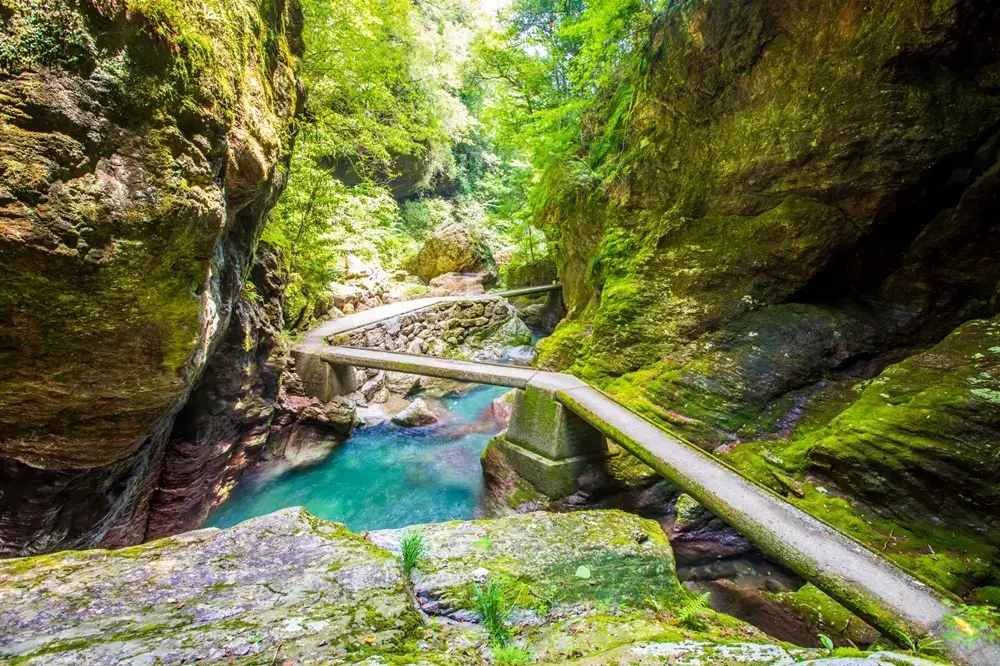
Nakatsu Gorge, Kochi. Photo: Supupupu / Photo AC
There are other places where the colour is said to be even more striking. At Yasui Gorge, the water is clear enough to see stones on the riverbed, while pools within the gorge can shift between emerald and cobalt depending on the light.
Then there is Nikobuchi, a small waterfall pool hidden in the mountains. It is also regarded as a sacred place by local residents. According to local legend, a giant serpent believed to be a manifestation of the water god lives in the deep pool. Swimming is prohibited, as is entering the water at all.
If we were visiting in summer, that might have been a little disappointing. Fortunately, we will be there in the cooler air of autumn. What I am really looking forward to, though, is finding out whether the water is actually as blue as it looks in the photographs.
Shimanto River: Learning to Live with the Water
The Shimanto River is another river in western Kochi. I have always thought the name sounded beautiful, although I knew very little about the river itself.
According to my research, it is the longest river in Shikoku, flowing for about 196 kilometres from the mountains of western Kochi to the Pacific Ocean. It is often described as one of Japan’s last great clear rivers, partly because there is no large dam blocking the main stream. Without the kind of heavy river engineering seen in many other parts of Japan, much of the Shimanto still follows its natural rhythm of rising and falling with the seasons.
That relationship with the river can also be seen in the area’s distinctive chinkabashi, or submersible bridges. When I first saw one in a photograph, my reaction was probably the same as that of many visitors: where are the railings? I later learned that they are deliberately built without them so that, during floods, rising water can flow over the bridge and carry branches and debris downstream rather than trapping them against the structure. The bridges are low, but the idea of driving across one with nothing on either side still makes my stomach feel a little uneasy.
There are 22 chinkabashi across the main river and another 26 on its tributaries. Sada Chinkabashi, near the lower reaches of the Shimanto, is the longest of them and one of the easiest places to experience one. During busy periods such as Golden Week in spring and the summer holidays, visitors are asked to park their cars and cross on foot or by bicycle for safety and to help keep the bridge accessible for local residents.
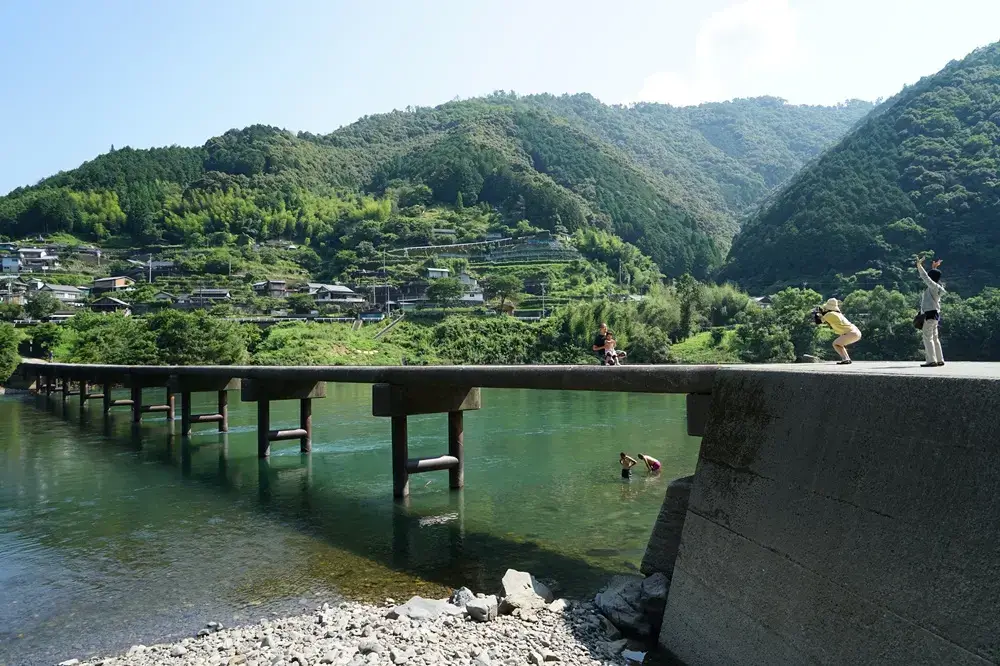
Chinkabashi on the Shimanto River, Kochi. Photo: Kohei Fujii, CC BY-SA 2.0
The river can also be experienced from the water itself. Traditional roofed boats called yakatabune carry passengers slowly along sections of the river, while cycling, canoeing and kayaking offer other ways to follow it through the valley. A yakatabune is essentially a small covered pleasure boat, traditionally used for leisurely sightseeing on Japanese rivers. Some cruises also serve meals made with local ingredients from the river and surrounding region, giving visitors another way to experience what the Shimanto provides.
The Seas Around Shikoku
After the mountains and rivers, the map led me naturally to the edge of the island. Shikoku is surrounded by water, but not by one kind of sea. To the north lies the Seto Inland Sea, sheltered between Shikoku and Honshu and broken up by countless islands. To the south, the land opens directly onto the Pacific Ocean.
Until I started planning this trip, I had never really thought about how different those two coastlines might feel.
The Seto Inland Sea: A Sea Filled with Islands
When I picture the Seto Inland Sea, I imagine calm, sunlit water. Sheltered between Honshu and Shikoku, it is dotted with small islands, channels and narrow straits, and in photographs it often looks more like a lake than an open sea.
The place I am most looking forward to experiencing this landscape is the Shimanami Kaido, a roughly 70-kilometre route linking Imabari in Ehime with Onomichi in Hiroshima across six islands in the Seto Inland Sea. We are planning to cross it by car, but what I find especially interesting is that the route was also designed for cyclists and pedestrians. The cycling route runs alongside the expressway bridges, allowing people to cross the same chain of islands without a car.
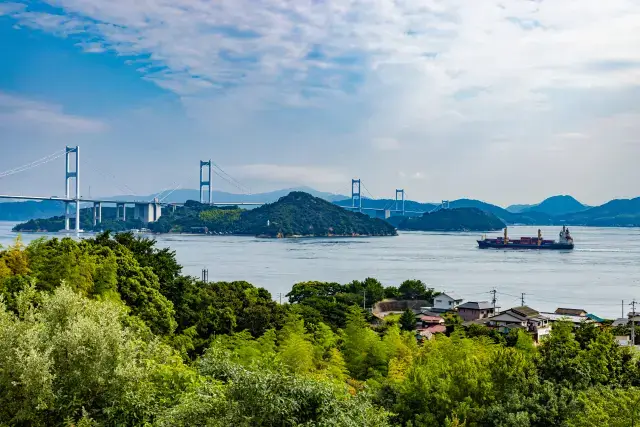
Shimanami Kaido, Seto Inland Sea. Photo: Supupupu / Photo AC
There are bicycle rental terminals along the route, so if time allows, we may park the car and spend a few hours cycling part of it ourselves. Even a short ride would give us a very different view of the islands than simply driving across.
The islands along the Shimanami Kaido are also known for citrus growing. In May, citrus blossoms add another layer to the landscape, filling the air with the sweet fragrance of blossoms, which I really love. We will be visiting in autumn rather than May, but that is fine too because we may be lucky enough to eat some of the fruit.
The Seto Inland Sea, however, is not always as gentle as it looks. Near Imabari, the Kurushima Strait funnels water between the islands and produces some of Japan's fastest tidal currents. Sightseeing boats take visitors beneath the Kurushima Kaikyo Bridge, where the current can form whirlpools and white, rushing water that looks very different from the calm sea around it.
Naruto Whirlpools: Where Two Seas Meet
Although the whirlpools near the Shimanami Kaido are still worth seeing, the much more famous ones are at Naruto. At their largest, the Naruto whirlpools can reach around 20 to 30 metres across. We will enter Shikoku from Awaji Island, which means one of the first things we encounter will be the Naruto Strait between Awaji and Tokushima.
This narrow strait connects the Seto Inland Sea with the Kii Channel, which opens toward the Pacific. Differences in the tides on either side force huge volumes of water through a channel only about 1.3 kilometres wide, creating the famous Naruto whirlpools. At strong tides, the current can exceed 20 kilometres per hour.
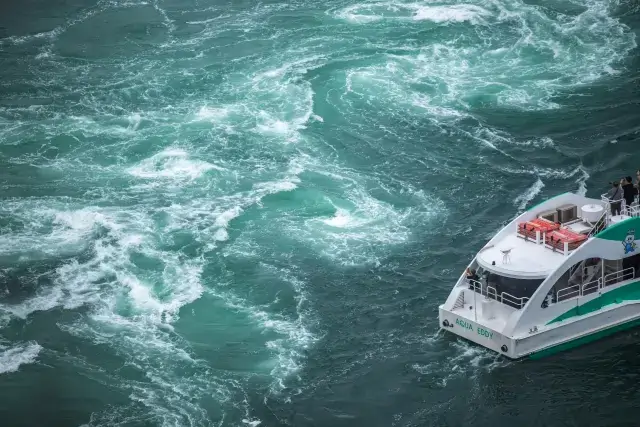
Naruto Whirlpools. Photo: Supupupu / Photo AC
You can see the whirlpools from sightseeing boats or from Uzu no Michi, a 450-metre walkway built inside the lower part of the Onaruto Bridge, about 45 metres above the water.
What makes Uzu no Michi especially interesting to me is that this part of the bridge was originally built with space for future railway tracks, including the planned Shikoku Shinkansen. Instead, part of that space was later turned into a pedestrian walkway. So we will actually be walking inside the structure of the bridge, with road traffic passing above us and the Naruto Strait below.
The sides of the walkway are largely covered with open mesh to reduce wind pressure on the bridge, so you can still feel the sea breeze and hear the water below. At several points along the walkway, glass floor panels let you look straight down at the strait, and the observation room at the end gives a view of the whirlpools from directly above.
We will make sure to check the best time to see the whirlpools before we go.
The Pacific Coast: Tatsukushi Marine Park
My longtime friend from Shikoku told me that one of the things she loves most about the far south of the island is its beautiful beaches and remarkably clear water. She is a true beach lover, so I am inclined to trust her judgement.
One of the places I'd love to add to our route is Tatsukushi, on the southwestern coast of Kochi. Here, the sea has shaped the land in a much more visible way. Wind and waves have carved unusual rock formations along the coast, while the warm waters offshore support extensive coral reefs and tropical marine life.
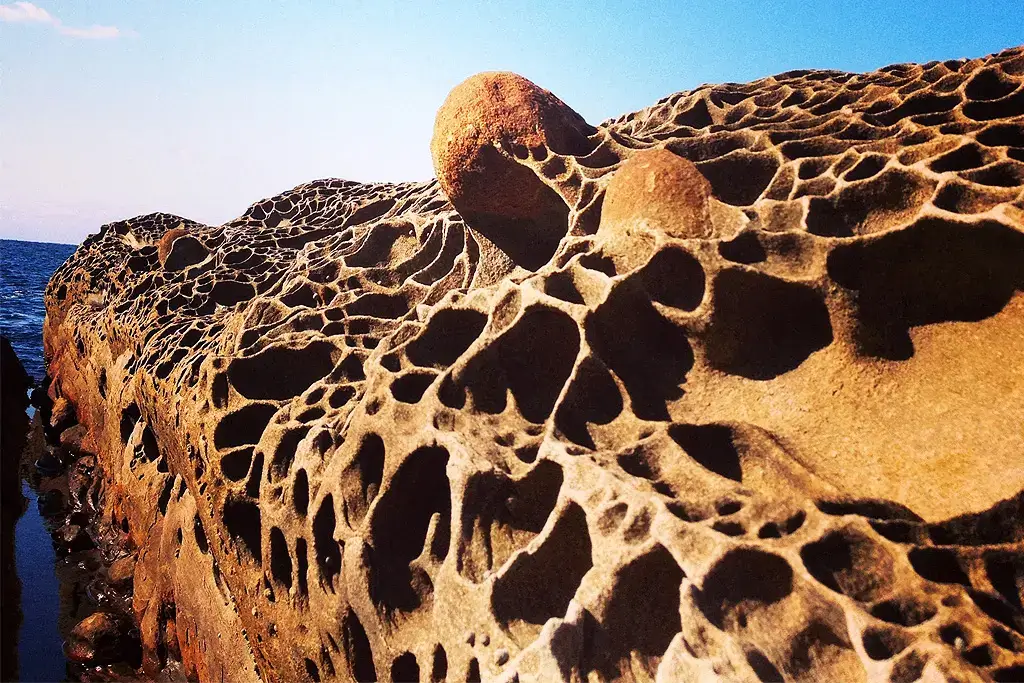
Minokoshi Coast, Tatsukushi, Kochi. Photo: Tosashimizu City
Tatsukushi was the first area in Japan to be designated a Marine Park. A glass-bottom boat travels from Tatsukushi Port to Minokoshi Coast, where the scenery above the water is almost as unusual as what lies below it. Along the shore, wind, waves and rain have gradually worn the rock into strange sculptural forms, including honeycomb-like surfaces filled with small hollows. The result looks less like an ordinary beach than a landscape that has been carved piece by piece by the Pacific.
Under the boat, the view changes completely. Through the glass floor, we should be able to look down over broad coral reefs, including the huge colonies of shikoro-sango for which Minokoshi Bay is known. The folded coral forms spread across the seabed almost like enormous flowers, alongside table-shaped corals and other reef formations, while brightly coloured fish move between them. The shikoro-sango colony here is considered the largest in Japan, which makes the boat ride feel less like simply travelling to Minokoshi Coast and more like passing over a second landscape hidden beneath the surface.
Walking over those unusual rock formations and looking down at colourful fish through the clear water sounds like such a relaxing way to spend the day. Honestly, that is exactly my kind of day.
Sacred Places & the Shikoku Pilgrimage
Once I started looking beyond Shikoku's landscape, I noticed that some of the places I most wanted to visit were also places of worship. I was interested in where they are. And in several cases, the climb or journey to reach them seems to be part of the experience.
Konpira-san (Kotohira-gu): 785 Steps to a Shrine for the Sea
One of the places I am most looking forward to visiting is Kotohira-gu in Kagawa, better known as Konpira-san.
The first thing everyone seems to mention is the stairs. There are 785 stone steps from the beginning of the approach to the main shrine, and 1,368 if you continue all the way to the inner shrine.
This is interesting because Konpira-san has long been worshipped as a protector of the sea, as well as a deity associated with good harvests, fishing and prosperity. I had imagined that a major shrine connected with the sea would be somewhere close to the water. Instead, Konpira-san sits partway up a mountain.
The approach begins in a lively town lined with shops and udon restaurants, then gradually rises through gates and stone steps until the view opens out over the Sanuki Plain. From the main shrine, on a clear day, you can see towards the Seto Inland Sea and the distinctive peak often called Sanuki Fuji.
I think this is exactly the kind of place I want to experience on this trip, because the physical act of climbing seems to make the landscape part of the visit.
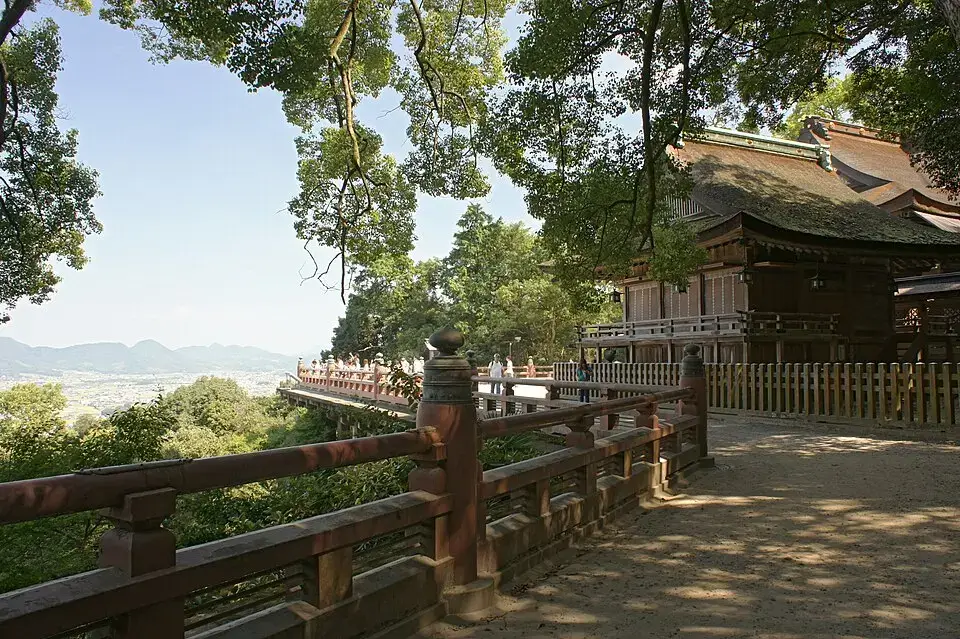
Kotohira-gu, Kagawa. Photo: 663highland, CC BY-SA 3.0, via Wikimedia Commons
Ryozenji Temple: Where the Shikoku Pilgrimage Begins
We are, as you might have guessed, not planning to walk the Shikoku Pilgrimage. At roughly 1,460 kilometres, the full route connecting 88 Buddhist temples is far beyond the scope of this family trip.
I would still like to see where it begins. Ryozenji in Tokushima is Temple No. 1 for pilgrims following the traditional clockwise route around Shikoku. For many, this is where the journey starts.
There is a shop within the temple grounds where pilgrims can buy the things they need before setting out: the white jacket known as a hakue, a conical sugegasa hat, a kongo-zue walking staff, a nokyocho pilgrimage book for collecting temple seals, and other supplies.
Someone can arrive at Ryozenji as an ordinary traveller and leave dressed and equipped as an ohenro-san, a Shikoku pilgrim, about to begin a journey around the island.
The temple itself also gives us something to see even though we will not be going any farther along the pilgrimage. Its two-storey pagoda dates from the Oei period, between 1394 and 1428, and has survived for nearly 600 years. Beside it are a pond and the Meiji Garden, a garden intended to symbolise Ryozenji as the place where the pilgrimage begins.
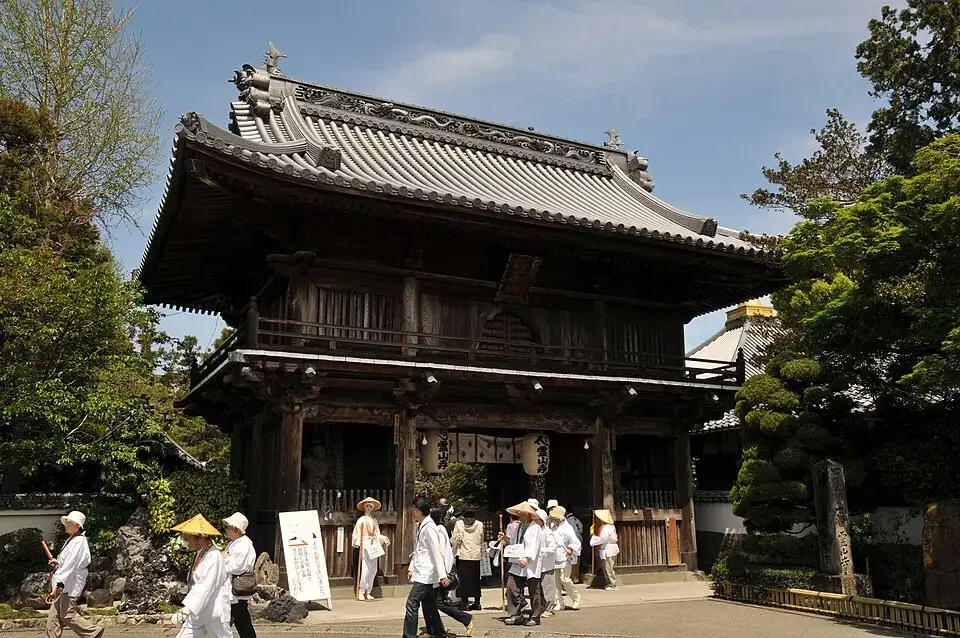
Ryozenji, Tokushima. Photo: Reggaeman, CC BY-SA 3.0, via Wikimedia Commons
Takaya Shrine: A Torii Above the Seto Inland Sea
Another shrine on my list is Takaya Shrine in western Kagawa.
Its main shrine sits on Mount Inazumi, 404 metres above sea level. The torii gate near the summit has become known as the "Sky Torii" because the city of Kan-onji and the Seto Inland Sea spread out far below it.
This is probably the least historically complicated reason for wanting to visit any shrine on our route. The reason is straightforward: I want to see the view.
We will have already seen the Seto Inland Sea from bridges and coastal roads. At Takaya Shrine, the same sea can be seen from high above, framed by a torii gate.
The walk from the lower shrine to the summit takes about 50 minutes and finishes with 270 steep stone steps.
For our trip, there is also a practical complication. The road to the summit is scheduled to be closed for construction from September 28 to December 25, 2026, so during our visit the upper shrine will only be accessible on foot.
We may have to decide whether we want to climb Konpira-san or Takaya Shrine, as I'm pretty sure I won't be able to convince my boys to do both.
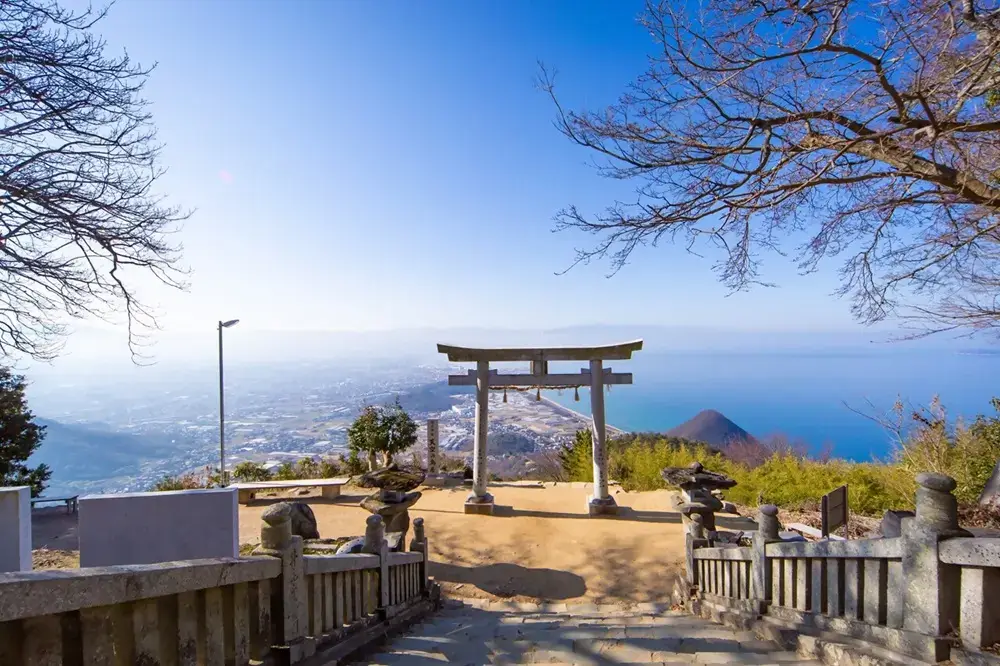
Takaya Shrine, Kagawa. Photo: Provided by Kagawa Prefecture Tourism Association
Food in Shikoku: Regional Specialities
Sanuki Udon: Why Kagawa Became the Udon Prefecture
Kagawa was one of the few things I already knew about Shikoku before planning this trip. It's famous for udon, and even calls itself the "Udon Prefecture." What I had never considered was why Kagawa became so closely associated with udon.
The Sanuki Plain receives relatively little rainfall, which historically made securing enough water for rice cultivation more difficult. At the same time, Kagawa's warm, dry climate was well suited to growing wheat, while salt and soy sauce production also developed locally. The Seto Inland Sea supplied iriko, small dried sardines used to make the broth. Put those ingredients together, and many of the basic elements of Sanuki udon were already close at hand.
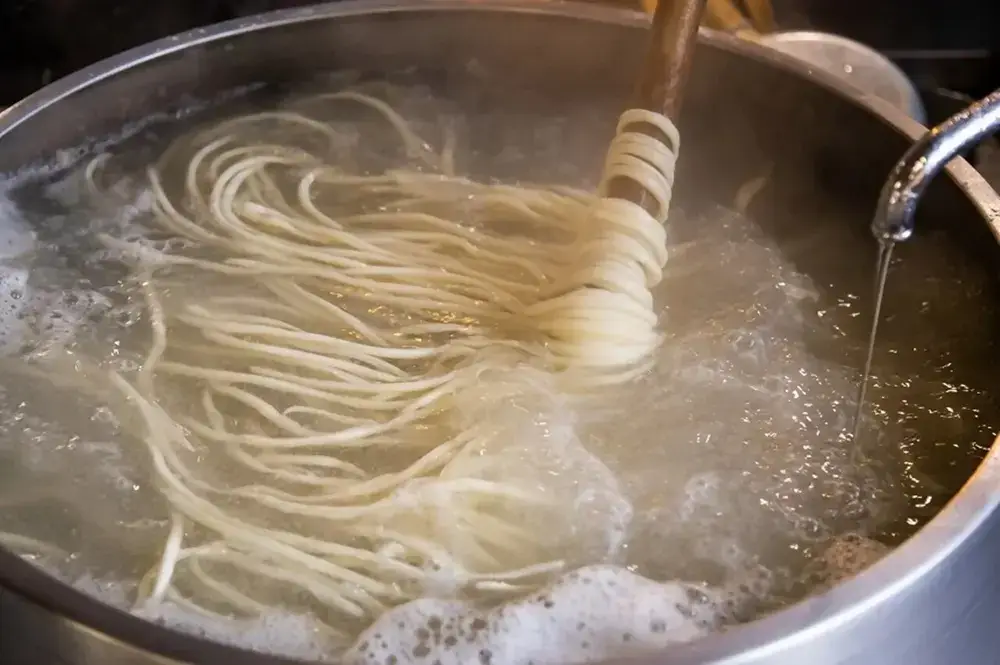
Sanuki udon, Kagawa. Photo: Kagawa Prefecture Tourism Association
Today, udon is part of everyday life in Kagawa, with hundreds of shops across the prefecture and styles ranging from simple self-service counters to restaurants in historic buildings.
For our trip, I've narrowed it down to three stops that appeal for different reasons.
Waraya is housed in a thatched farmhouse dating from the late Edo to early Meiji period, at the entrance to Shikoku Mura. The name zaigo udon comes from zaigo, a regional pronunciation of a word meaning countryside or home village, so the name itself roughly suggests "country-style udon."
The setting is a big part of why I want to go. Eating Sanuki udon inside an old farmhouse would make the setting part of the experience. Waraya is known for kama-age udon, noodles served hot from the cooking water with dipping broth.
Yamada-ya appeals to me for a similar reason. Its main restaurant sits at the foot of Mount Goken in a large traditional estate of about 2,645 square metres, with the main house, gate, former brewery buildings and garden forming part of the experience. The property is registered as a national tangible cultural property.
This feels like another place where lunch could become more than just lunch. We could eat udon, walk through the grounds and enjoy the atmosphere of the old buildings at the same time.
Wataya is the practical family choice. My husband and children all love meat udon, and Wataya is well known for its niku bukkake, udon topped with seasoned meat and served with concentrated broth. The dish apparently began after a regular customer asked for the meat from the shop's meat udon to be added to bukkake udon, and it eventually became one of Wataya's signature dishes.
The Marugame shop serves both beef and pork versions, which may make this the easiest one to sell to the rest of my family.
I suspect we will end up eating udon more than once in Kagawa.
Go Deeper Into Sanuki Udon
For travellers who want more than a restaurant stop, byFood offers an overnight experience in Kagawa that combines a hands-on udon-making class with an udon-hopping tour the next morning.
Iya Soba: Food from the Steep Slopes
After seeing how people built homes and fields into the steep slopes of Iya, I became curious about what people here traditionally ate. When I was writing my article about Yabakei, I learned that buckwheat can be grown on steep mountain slopes where rice cultivation is more difficult. So when I came across Iya soba, it immediately made sense. Buckwheat became an important crop here, and that history survives in Iya soba, a rustic style of buckwheat noodle traditionally made thicker and shorter than the delicate soba found elsewhere in Japan.
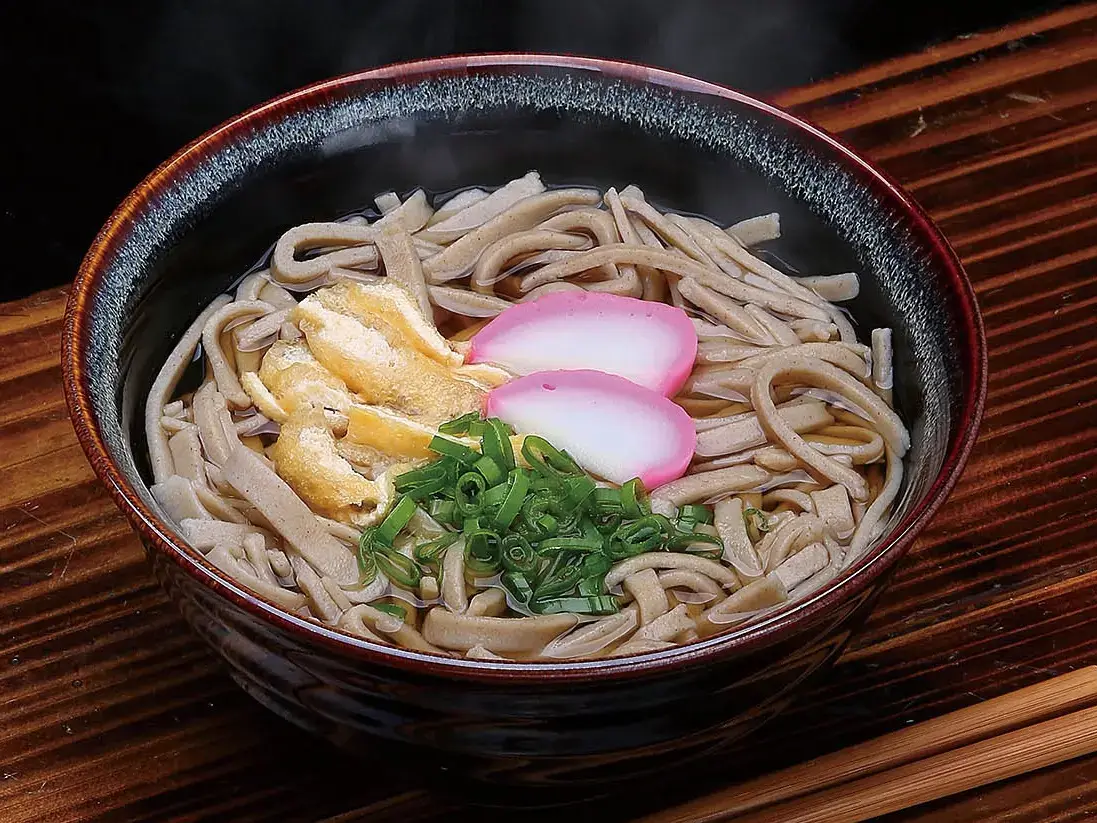
Iya soba, Tokushima. Photo: Miyoshi City Tourism Association
This is the one I am most curious about. At Tsuzuki Shoten in East Iya, visitors can take part in an old-style soba-making experience that begins by grinding buckwheat in a stone mill that has been used for around 100 years. The noodles are then made, cooked and eaten on site.
Afterwards, the soba is served as part of a Heike gozen, a traditional set meal built around local mountain ingredients. The experience requires advance booking, but it feels like one of the clearest ways to understand how closely food and everyday life are connected in Iya.
Iya Bijin offers a very different experience. The restaurant looks out over the Iya Valley, so here the appeal is as much about the setting as the food. Along with handmade Iya soba, the menu includes local dishes such as dekomawashi, skewered tofu, potatoes and konnyaku coated in miso and grilled, as well as river fish and other mountain foods.
This seems like the place to choose if we want to sit down, look across the valley and eat the foods that came from it.
Momiji-tei adds another layer to the experience. The restaurant is housed in a more than 200-year-old traditional farmhouse that was relocated and restored. Eating Iya soba inside a building that once belonged to the same mountain culture makes the meal feel less like a stop for lunch and more like another way of stepping into the history of the region.
I am not sure yet which of the three we will choose. It will probably depend on how the day unfolds and where we happen to be when we get hungry.
Katsuo no Tataki: Kochi’s Straw-Seared Bonito
Once we reach Kochi, the food changes with the coastline. One dish a friend from Shikoku recommended that we try is katsuo no tataki, bonito seared very quickly over an intense straw fire so that the outside becomes smoky and charred while the centre remains raw.
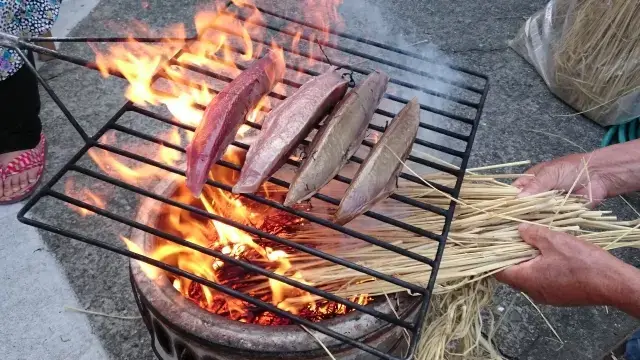
Katsuo no tataki, Kochi. Photo: ほいくん / Photo AC
Bonito has long been closely tied to Kochi's fishing culture. One tradition that still survives today is ippon-zuri, pole-and-line fishing, where fishermen catch bonito one by one rather than hauling them in together with a large net. In places such as Kuroshio Town, this method is still actively practised, and companies such as Myojin Suisan continue to build their business around it.
The method is valued partly because the fish are handled individually and suffer less damage, which helps preserve their quality and freshness. The fishing method, the speed of the straw fire, and the way the fish is eaten while the surface is still warm are all part of the experience.
The three places on my list show different sides of Kochi's bonito culture.
Myojinmaru operates its own pole-and-line fishing boats, and its Hirome Market branch is known for its live straw-grilling and shio tataki, bonito served warm with salt rather than ponzu, a citrus-based soy sauce.
What appeals to me here is seeing the fish hit the flames right in front of us. The straw burns intensely and quickly, so the outside is seared in seconds while the centre remains almost raw. I'm keen to find out whether the straw adds an extra smoky fragrance.
This is the hands-on option. At Tosa Tataki Dojo, visitors hold the bonito over the straw fire themselves. Once it has been seared, the fish is sliced and served immediately, and I suspect my children would remember doing the grilling themselves.
For a completely different experience, I would also like to visit Kure Taishomachi Market in Nakatosa if our route happens to take us through Kure.
The market has more than 100 years of history and still feels closely connected to the fishing town around it. The appeal here is walking through the market, seeing what has come in that day, and eating fresh local fish in a place where it is part of everyday life.
Kure is especially associated with bonito, so this seems like the place where we could experience less of the performance and more of the fishing-town culture behind the food.
Taimeshi: Two Ways Ehime Serves Sea Bream with Rice
Then there was Ehime, where I came across another local speciality from the sea: taimeshi, sea bream served with rice. What surprised me was that the same name can refer to two quite different dishes.
Around Matsuyama and the northern part of the prefecture, the sea bream is cooked together with the rice, so the flavour of the fish spreads through the whole pot.
In Uwajima, in southern Ehime, the fish stays raw. Slices of fresh sea bream are mixed with a seasoned sauce made with raw egg, soy sauce and dashi, then poured over hot rice. The dish is traditionally linked to fishermen and sailors around the Uwajima coast.
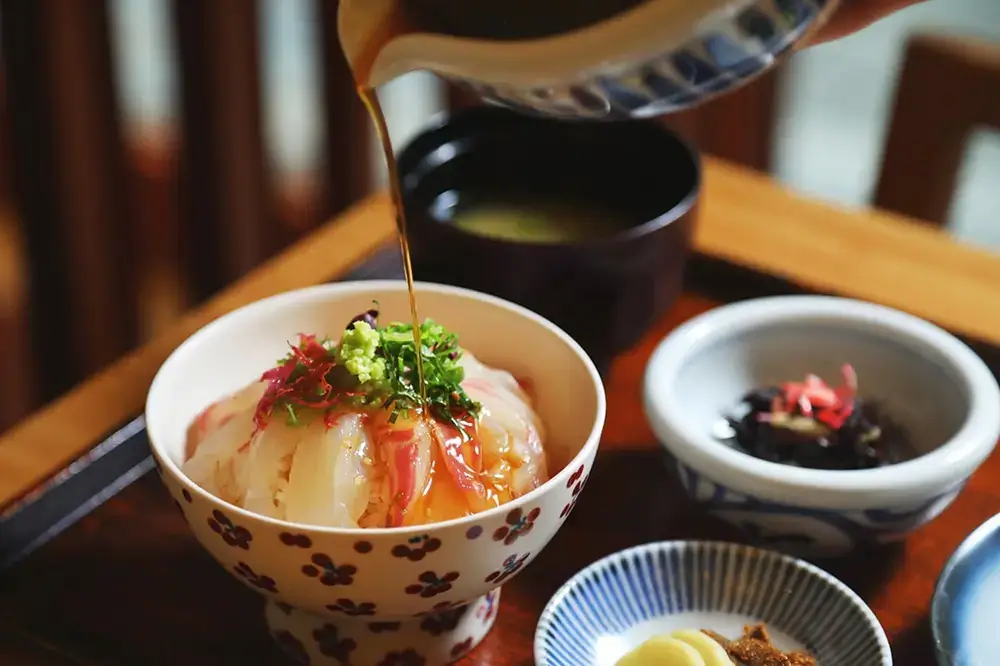
Uwajima taimeshi, Ehime. Photo: Matsuyama City
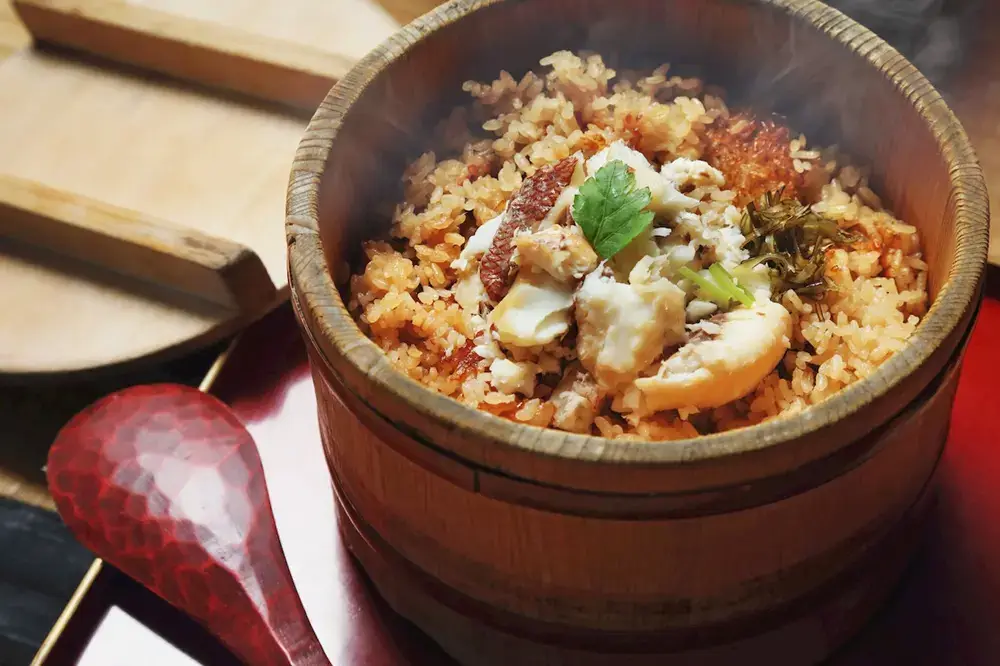
Matsuyama taimeshi, Ehime. Photo: Matsuyama City
Goshiki is one of the places I would choose for the Matsuyama-style version. It is a long-established local restaurant serving Ehime regional cuisine, and its Matsuyama taimeshi is made by cooking fresh sea bream together with rice so that the flavour of the fish goes into the grains. The dish is limited in quantity each day. This feels like the best place to start, because it gives us the more familiar version of taimeshi first: warm rice, cooked fish and a dish that feels closer to a home-style meal.
If we make it as far as Uwajima, I would like to try the other version at Kadoya. Kadoya began in 1955 as a tiny restaurant of about 16.5 square metres near Uwajima Station and has grown into one of the city's best-known places for regional food. Its main restaurant still serves Uwajima taimeshi alongside other local dishes such as jakoten and Uwajima satsuma.
There is also a much easier option for us. Kadoya has a branch beside Dogo Onsen's Asuka-no-Yu bathhouse, and its speciality is Uwajima taimeshi made with local sea bream. Since we are already planning to visit Dogo Onsen, this may end up being the most realistic place for us to try the raw version, and an easy one to fit into our day in Dogo.
Traditional Crafts of Shikoku
Food is not the only way I want to understand the places we pass through. On this trip, I also want to bring home a few things that were made there.
Shikoku has several traditional crafts closely associated with particular towns and prefectures. We probably will not have time to visit workshops everywhere, so I am keeping this part of the trip simple: I want to look for pottery for myself, buy an indigo-dyed gift, and make a Marugame uchiwa with my family.
Tobe Ware: Finding a Piece to Take Home
One thing I would like to buy for myself is Tobe-yaki, or Tobe ware, from Ehime.
Tobe ware is a type of porcelain with a history of around 250 years. Its best-known style uses bold indigo-blue designs on a slightly thick white body, although contemporary kilns now produce a much wider range of colours and styles.
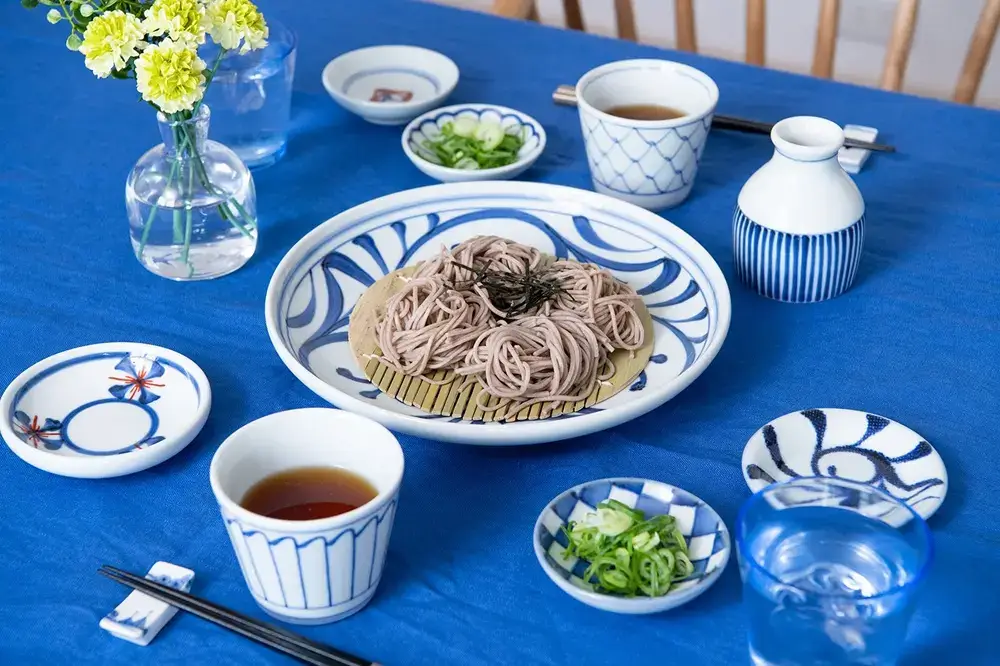
Tobe ware, Ehime. Photo: MUSUBI KILN by MUSUBI KILN, CC BY-SA 2.0
I considered whether we should try making or painting a piece ourselves, but pottery is not the easiest craft to fit into a short trip. Anything that needs to be fired cannot be packed into the car straight away, so I would rather spend that time choosing something made by a local potter.
The Tobe Ware Traditional Industry Museum seems a good place to do that. Around 80 local kilns have work on display and for sale on the first floor, which means I would not have to know in advance which potter I was looking for. I could see what catches my eye. I'd like to bring home something useful rather than decorative, perhaps a rice bowl, small plate or cup that becomes part of our kitchen.
Otani Ware: Pottery from Naruto
Tokushima has its own very different ceramic tradition. Otani-yaki, or Otani ware, developed around the Otani area of Naruto and is best known for large vessels. Traditionally, some of the biggest pieces were made using an unusual technique in which one person shaped the clay while another helped turn the wheel with their feet.
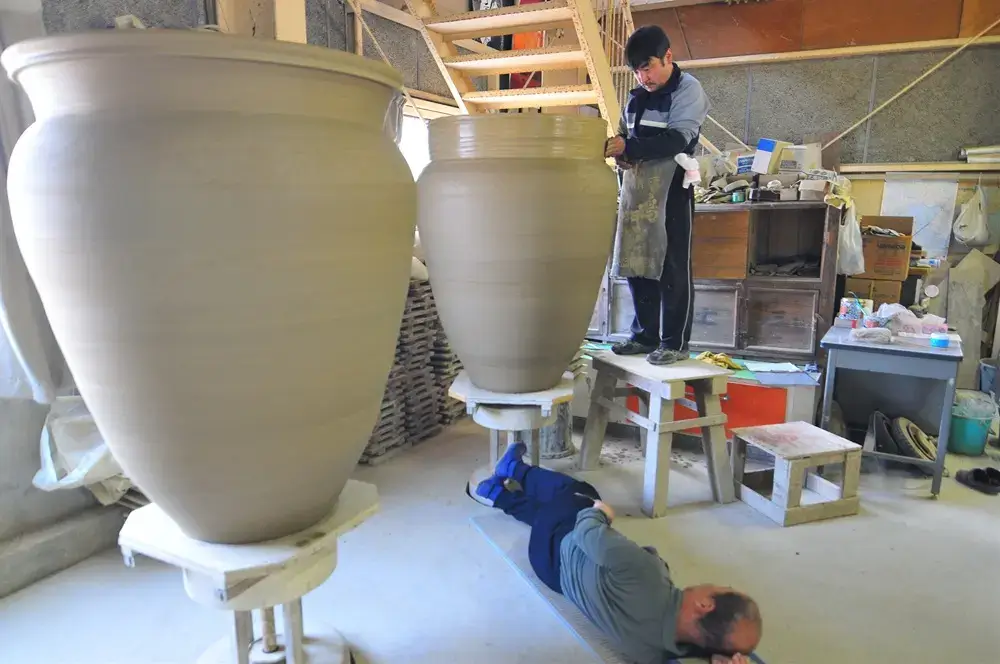
Otani ware, Tokushima. Photo: Tokushima Prefecture / Tokushima Tourism Association
I do not, however, have any plans to bring a giant ceramic jar back to Adelaide. Fortunately, modern Otani ware also includes much more manageable pieces such as mugs, cups and tableware. I really like the rustic, earthy look of this pottery, and the Naruto Products Center, near JR Naruto Station, sells Otani ware mugs and teacups alongside other local products, making it a fun place to look for something special.
Marugame Uchiwa: A Craft We Can Make Ourselves
The craft I do actually want us to make is a Marugame uchiwa, a traditional non-folding bamboo fan from Kagawa.
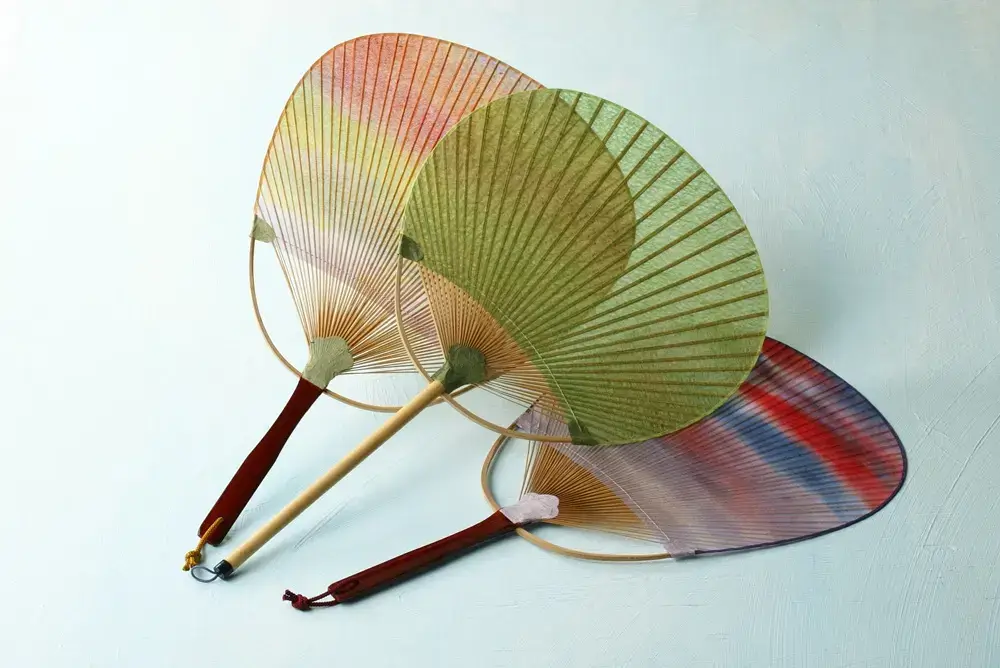
Marugame uchiwa, Kagawa. Photo: Kagawa Prefecture Tourism Association
At the Marugame Uchiwa Museum, visitors can choose a design, attach the paper to a prepared bamboo frame and complete their own fan with guidance from craftspeople. The workshop takes around 40 to 50 minutes and is available from age five, so this feels much more realistic as a family activity than pottery.
The process also has a satisfying ending: after the paper dries for a few minutes, the fan is shaped and finished, and you leave with the thing you have just made.
We are planning to try this one, and I suspect my boys will be more interested in making their own fan than listening to me explain the history of fan production in Marugame, which is probably exactly why this is the kind of craft experience I want to include in the trip.
Awa Indigo: Looking for a Gift in Japan Blue
The final craft I want to look for is Awa ai, the indigo-dyeing tradition of Tokushima. The rich blue associated with Japanese indigo is often described as Japan Blue. Today, Awa indigo appears on everything from scarves and bags to clothing and small accessories.
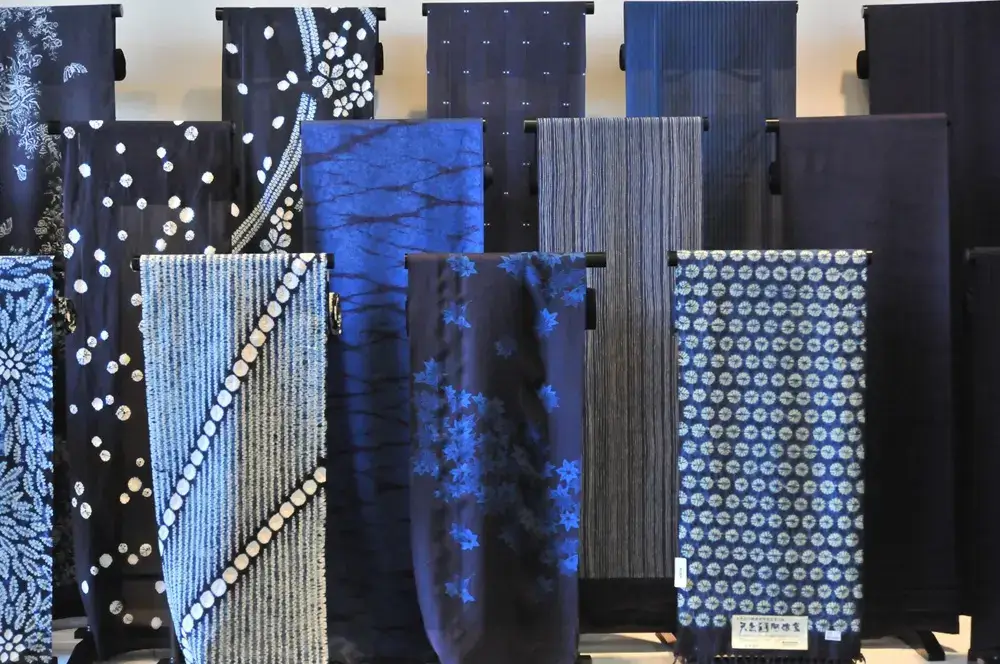
Awa indigo, Tokushima. Photo: Tokushima Prefecture / Tokushima Tourism Association
This time, I am less interested in making something myself than in finding a gift to take home. The Aizome Kogeikan, or Indigo Dyeing Craft Museum, looks like a good place to browse. It sells its own indigo-dyed products, including scarves, bags, T-shirts, curtains, umbrellas and hats, and also has a dyeing workshop attached.
If we have time, we can learn more about how the dye is made and used. If not, I can look through the finished pieces and find something that feels right as a gift.
Dogo Onsen & Bathing Culture
Dogo Onsen will be our final stop in Shikoku. The next morning, we will leave the island and continue into the Chugoku region, so I am hoping this will be the point where we finally slow down, soak away some of the tiredness from the road, and get ready for the next part of the trip. After days of mountain roads, river valleys, bridges, temples and long drives, that sounds pretty good.
Dogo Onsen Honkan: Bathing Inside a Piece of History
Dogo Onsen in Matsuyama is said to have a history of around 3,000 years and is often described as Japan's oldest hot spring. Its best-known building, Dogo Onsen Honkan, was completed in its present form in the late 19th century and later became the first public bathhouse in Japan to be designated an Important Cultural Property.
With its dark timber, layered roofs, glowing windows and steam drifting around it, Dogo Onsen Honkan has the kind of atmosphere that immediately makes people think of Spirited Away. Hayao Miyazaki has said that there was no single model for the film's bathhouse, but that Dogo Onsen was certainly among its inspirations.
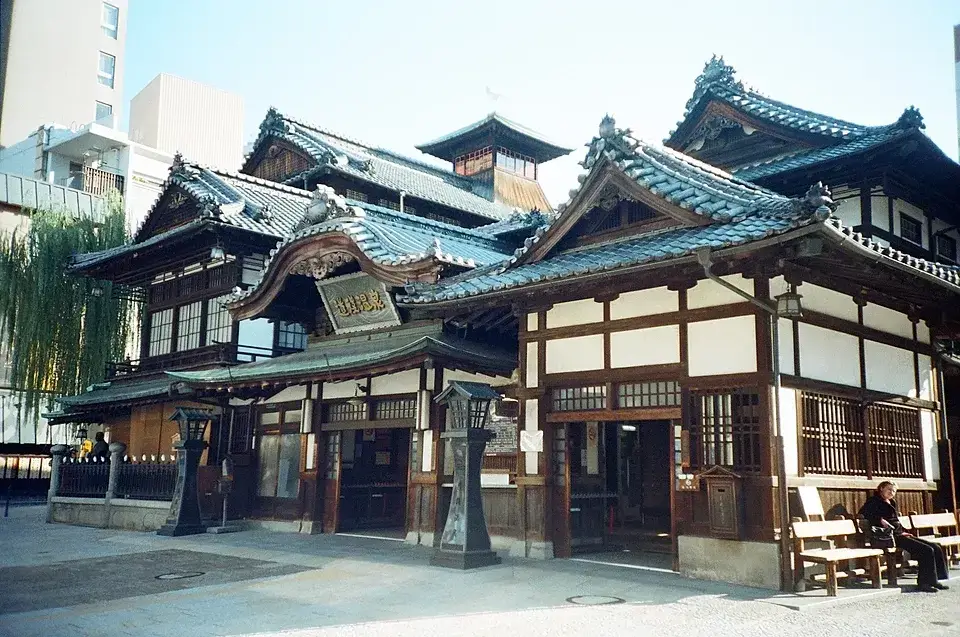
Dogo Onsen Honkan, Matsuyama. Photo: Arnaud Malon, CC BY 2.0, via Wikimedia Commons
It is still a working public bathhouse, used by both visitors and local people. Depending on the ticket, you can bathe and then rest upstairs in a tatami room with tea and Japanese sweets.
The Honkan also has a toki-daiko, or time drum, which is sounded from the tower three times a day to mark the time: at 6 a.m., noon and 6 p.m. The sound has become one of the small rituals that marks the rhythm of the day in Dogo.
Walking Around Dogo in a Yukata
One thing that makes Dogo especially appealing to me is that the experience does not end when you leave the bath.
The whole area around the Honkan is compact enough to explore on foot. Dogo Onsen Station, the Dogo Haikara-dori shopping arcade, the public bathhouses, footbaths and small temples are all close together, and the official Dogo walking guides actively encourage visitors to stroll around town in a yukata, the lightweight cotton robe traditionally worn after bathing.
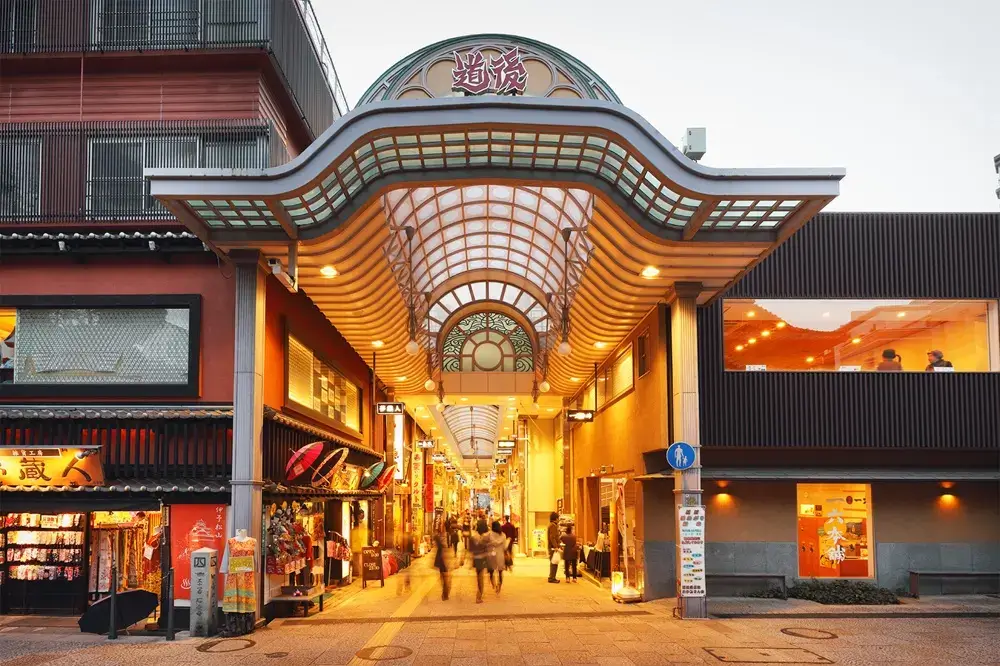
Dogo Shopping Arcade, Matsuyama. 所蔵:松山市
For an overseas visitor, that setup seems easy to navigate. You do not have to work out where to go next or change back into normal clothes immediately. You can step outside in your yukata and continue through the town.
There are free footbaths along the way, including the Sora-no-Sanpomichi promenade overlooking the Honkan and another near Dogo Onsen Station.
Nearby Enman-ji Temple is also known for its colourful omusubi-dama, small cloth balls tied as good-luck charms, which have become one of Dogo's most recognisable photo spots.
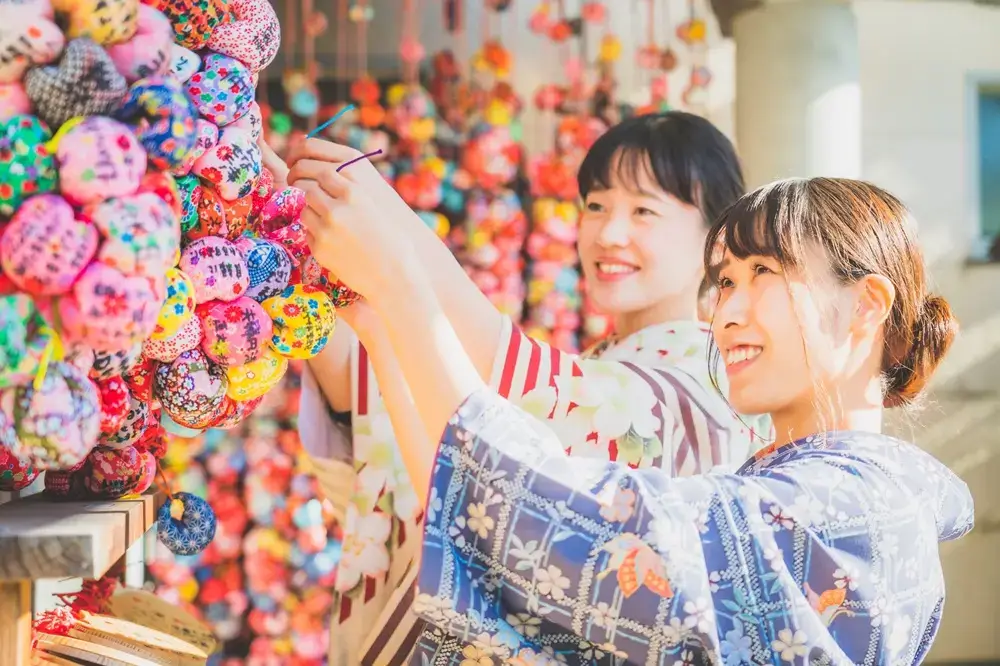
Enman-ji Temple, Matsuyama. 所蔵:松山市
I can easily imagine us finishing our bath, putting on yukata and walking through the arcade in the evening without really needing a plan.
Asuka-no-Yu: A More Modern Way to Experience Dogo
If we want something a little different from the Honkan, there is also Asuka-no-Yu nearby. It has open-air baths, which the Honkan does not, and its interior combines stories from Dogo's history with traditional crafts from Ehime and contemporary art.
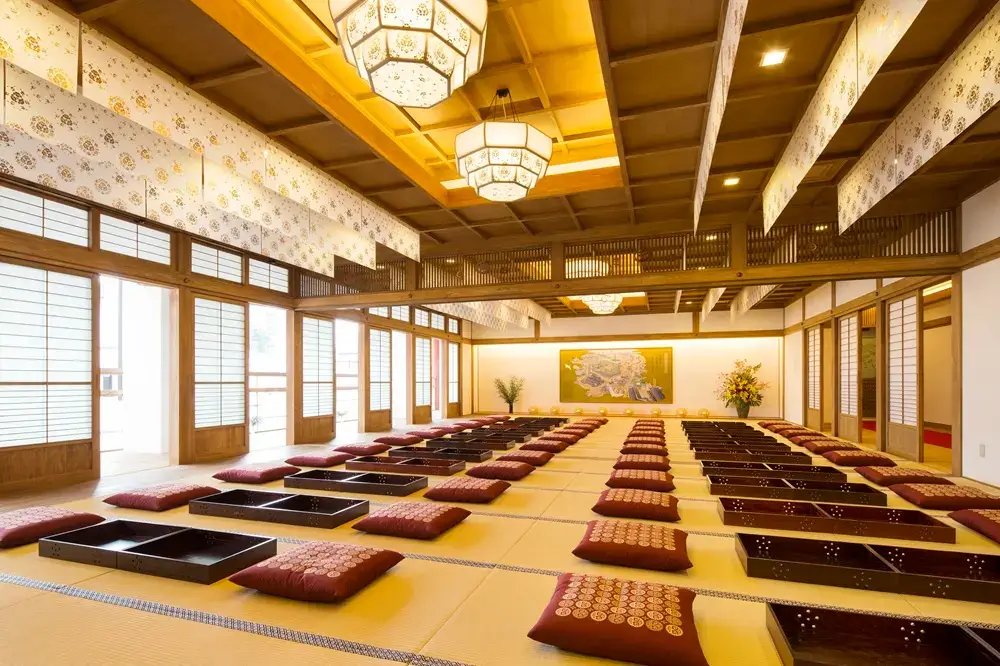
Asuka-no-Yu, Matsuyama. 所蔵:松山市
There are also special private bathing rooms modelled on the Yushinden, the bath reserved for the Imperial Family inside the Honkan. These rooms are open to ordinary visitors and can be reserved in advance, making it possible to experience a more private version of Dogo's bathing culture.
The next morning, we will start driving again and head into the Chugoku region. Before that, a hot bath, a slow walk through Dogo in yukata, and an early night sounds like a pretty good way to say goodbye to Shikoku.
And that's it for my before-the-trip research. I don't want to pretend I understand Shikoku before I've even arrived.
I'm sure the trip itself will change some of these impressions. For now, though, I feel like I am arriving with more than a list of places to visit. I have a rough map in my head of what I want to notice.
If you're planning a similar trip with children, I've also put together a guide to affordable family hotels in Shikoku, focusing on places that work for a family of four.
Frequently Asked Questions
What is Shikoku best known for?
Shikoku is known for its mountainous interior, clear rivers, dramatic coastlines, the 88-temple Shikoku Pilgrimage, regional food, traditional crafts and historic hot springs such as Dogo Onsen. The island is also made up of four prefectures, each with its own landscapes and local specialities.
Is Shikoku worth visiting on a first trip to Japan?
Shikoku can be a rewarding choice if you want to see a quieter, more rural side of Japan alongside its temples, food and natural scenery. It is especially well suited to travellers who enjoy road trips, mountain landscapes, regional culture and places that feel less urban than Japan's major cities.
How many days do you need to explore Shikoku?
A week is a good starting point if you want to see more than one part of Shikoku without rushing too much. Our own family road trip is planned for seven days, which should give us time to experience mountain areas, river valleys, coastal scenery, temples, regional food and Dogo Onsen. If you want to explore all four prefectures in more depth, though, you could easily spend longer.
What is the Shikoku Pilgrimage?
The Shikoku Pilgrimage is a route connecting 88 Buddhist temples around the island and is closely associated with Kobo Daishi, also known as Kukai. The full route is roughly 1,460 kilometres long, but you do not need to walk the entire pilgrimage to encounter its culture. Many travellers visit individual temples along the way, including Ryozenji, Temple No. 1.
What food is Shikoku famous for?
Shikoku's food changes noticeably from one prefecture to another. Kagawa is famous for Sanuki udon, the Iya Valley for rustic Iya soba, Kochi for straw-seared katsuo no tataki, and Ehime for taimeshi, sea bream served with rice. These regional dishes are a useful way to understand how closely local food is tied to Shikoku's mountains and seas.
Continue Reading
This article contains affiliate links. If you book an experience through one of these links, Untranslated Japan may earn a small commission at no additional cost to you.