
Why Japanese Home Cooking Is Simpler Than You Think
"I'd love to try cooking Japanese food. It's healthy and tasty, but I don't have the ingredients and the whole thing feels complicated."
It's a fair impression to have. The dishes served at a fine kaiseki restaurant do call for real technique, and ingredients chosen with real precision. But that isn't the Japanese food most families are actually eating every day.
Home cooking in Japan runs on something much simpler: a handful of seasonings, combined and recombined in different ratios.
I first understood this at eighteen, when I left home for a one-room apartment in Tokyo. Until then, my mother and grandmother had handled all the seasoning. I'd helped with dinner, sure, chopping, stirring, but I had no real sense of what went into a dish or in what amount. So I bought a basic Japanese cookbook from the shop near my apartment and started working through it, one recipe at a time.
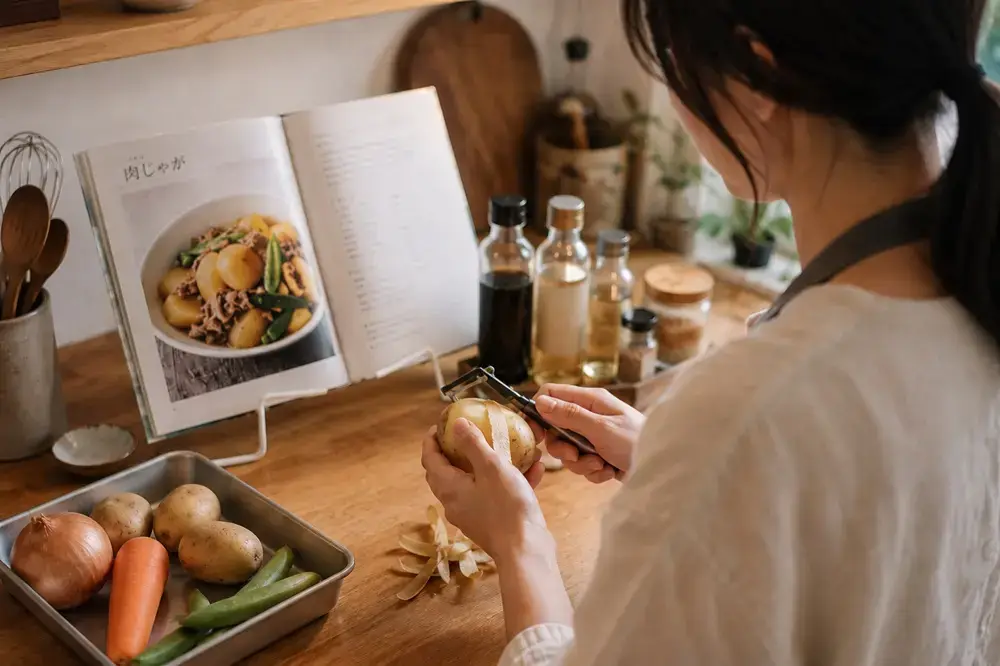
Photo by Untranslated Japan
Soy sauce, mirin, sake, sugar. I didn't even know how much of each to use.
But after a few dishes, I noticed something. Nikujaga, teriyaki, oyakodon: different dishes, almost the same seasonings. The ratios shifted from one recipe to the next, but the ingredients themselves barely changed. Japanese cooking, it turned out, was simpler than I'd assumed.
Nearly thirty years later, I'm still cooking it almost every day, first in Japan, now for my own family in Australia. Living abroad only sharpened that early realisation. Japanese home cooking travels well, because its foundations are so few.
Soy sauce and miso are easy to find almost anywhere now. Mirin, sake, and dashi usually turn up at the Asian grocery aisle of the same supermarket. Once you have them on hand, you can build a wide range of Japanese dishes around whatever meat, fish, or vegetables happen to be good where you live.
This series starts with those foundations.
It isn't about recreating restaurant dishes. It's about learning the handful of ingredients and simple flavour combinations that Japanese families use every day.
The 3 Basic Flavor Profiles of Everyday Japanese Food
Sushi. Miso soup. Teriyaki. Nikujaga. Oyakodon. Udon. Soba.
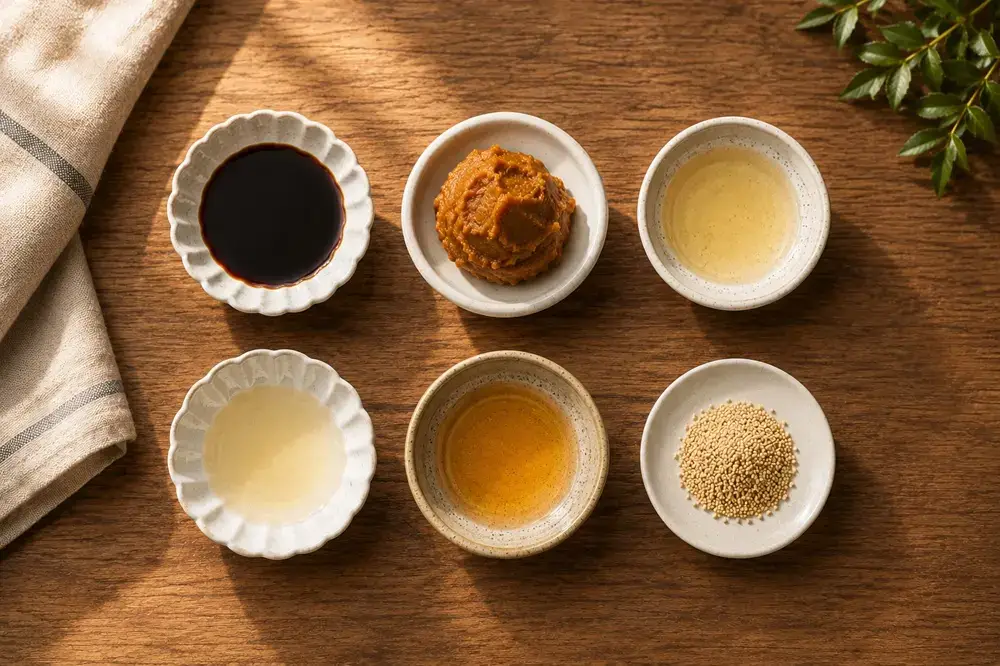
Each of these dishes looks and tastes completely different. You might think you'd need a whole new set of seasonings for each one. But open a Japanese kitchen cupboard while any of them is being made, and you'll find something surprising. The seasonings coming out are nearly always the same: soy sauce, miso, mirin, sake, rice vinegar, and dashi.
Of course, not every dish uses all six. Miso soup needs little more than miso and dashi. Teriyaki sauce relies on soy sauce, mirin, sake, and sugar. Each dish simply draws on whichever of the six it needs.
Many everyday Japanese dishes are built around three broad flavour profiles.
The first relies mainly on dashi. Miso soup, udon, soba, simmered dishes, clear soups: in all of these, dashi made from kombu and katsuobushi forms the base, and soy sauce, miso, or salt are added to shape the flavour.
The second is sweet and savoury. Teriyaki, nikujaga, oyakodon, gyudon, simmered fish: the ingredients and the finished dishes look nothing alike, but they all rest on the same combination of soy sauce, mirin, sake, and sugar, simply in different ratios.
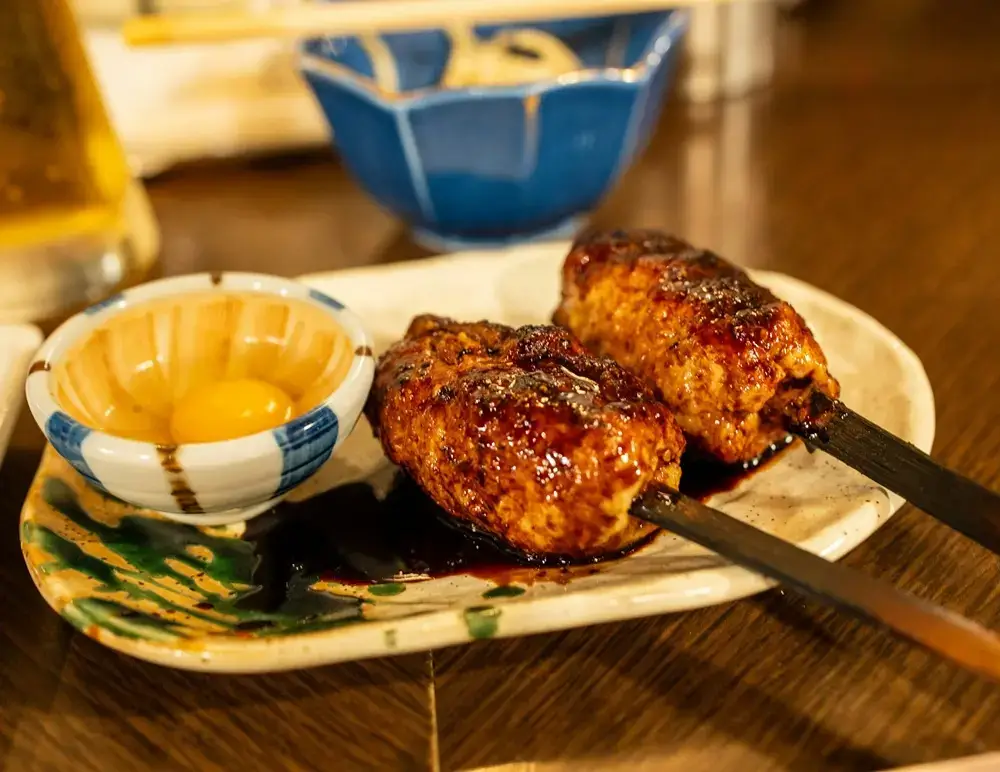
Photo by HYEWON HWANG on Unsplash
The third is sour. Sushi rice is the clearest example, seasoned with rice vinegar, sugar, and salt. Sunomono, the small vinegared side dishes that turn up alongside a main meal, work the same way.
Cooking Japanese food at home rarely means buying a new sauce for every new dish. It means using the same seasonings and adjusting the ratio and the method to fit whatever you're making. A little more soy sauce sharpens a dish. A little mirin adds sweetness. Sake mellows the smell of meat or fish and helps everything come together.
Other ingredients used often in Japanese cooking are already pantry staples in most homes: sugar, salt, oil, and pepper. For a little more bite, texture, and colour, sesame oil, toasted sesame seeds, ginger, and spring onion are the aromatics most Japanese families reach for.
Starting Japanese cooking, in other words, isn't about stocking up on rare ingredients. It helps to think of it in three groups.
| 🔴 Japan-specific staples | 🫙 Already in most kitchens | 🌿 Common aromatics |
|---|---|---|
| Japanese soy sauce | Sugar | Sesame oil |
| Miso | Salt | Toasted sesame seeds |
| Mirin | Oil | Ginger |
| Sake | Pepper | Spring onion |
| Rice vinegar | ||
| Dashi |
Since the six Japan-specific staples create the base of flavour, it's worth knowing how to choose the right products. Two bottles both labelled "soy sauce" can be made very differently, from different ingredients. The next section looks at what each one actually does in a dish, and what to check for when choosing a product.
The 6 Essential Japanese Seasonings Explained
From here, we'll go through the six staples that show up most often in Japanese home cooking, one at a time.
None of them need to be expensive. Even in Japanese households, everyday cooking rarely calls for a premium product. What matters isn't the brand name. It's whether the seasoning is made the traditional way.
As Japanese condiments have grown more popular abroad, plenty of budget versions and shortcut-brewed alternatives have appeared alongside them. You can still cook with these. But if you want your food to taste like what's actually eaten in a Japanese home, look for products with a short ingredient list, made the traditional way.
1. Soy Sauce
What is it?
Soy sauce is a dark, fermented liquid seasoning made from soybeans, wheat, salt, and water. During fermentation, the ingredients develop a deep savoury flavour known as umami. It has a rich brown colour and a thin, pourable consistency, making it one of the most versatile seasonings in Japanese cooking.
If I could only buy one Japanese seasoning, it would be soy sauce, without hesitation. Teriyaki, nikujaga, oyakodon, simmered fish, stir-fries, the broth for udon and soba: almost nothing in Japanese home cooking works without it. Its role goes beyond salt, tying every other flavour in a dish together.
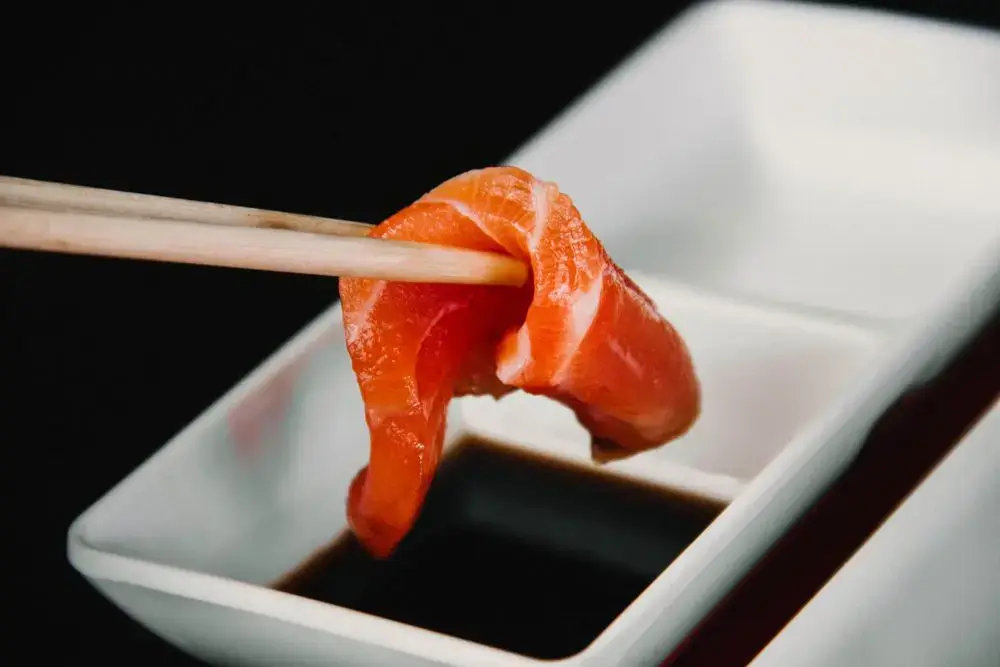
Photo by Horizon Content from Pexels
What to look for
Choose one labelled Naturally Brewed or Honjozo where you can. The ingredient list should be short: soybeans, wheat, salt, and water.
Some bottles add a small amount of alcohol as a preservative, but beyond that, this is essentially the full list. Cheaper versions sometimes make up for a shorter fermentation with MSG, sweeteners, or caramel colouring. That's not necessarily a problem, but if this is your first time cooking Japanese food, a shorter ingredient list will give you a clearer sense of what soy sauce is actually supposed to taste like.
Recommended products
Naturally brewed soy sauce from major Japanese makers like Kikkoman or Yamasa is widely available in most countries and is a safe, reliable place to start.
2. Mirin
What is it?
Mirin is a sweet Japanese cooking seasoning made by fermenting glutinous rice, rice koji, and shochu. It looks similar to pale golden syrup but is much thinner, almost like white wine. Unlike sugar, its sweetness comes from fermentation, giving it a gentle flavour with more depth.
Mirin is one of the defining seasonings of Japanese cooking. Recipes written outside Japan often suggest substituting sugar and cooking sake, and you can technically get by that way. But in Japan, most families still reach for mirin even though sugar is already on the shelf.
That's because mirin isn't there to add only sweetness. Sugar makes a dish sweet. Mirin brings the whole dish into balance. It also gives simmered dishes a gentle gloss and helps vegetables and meat hold their shape instead of breaking apart during simmering.
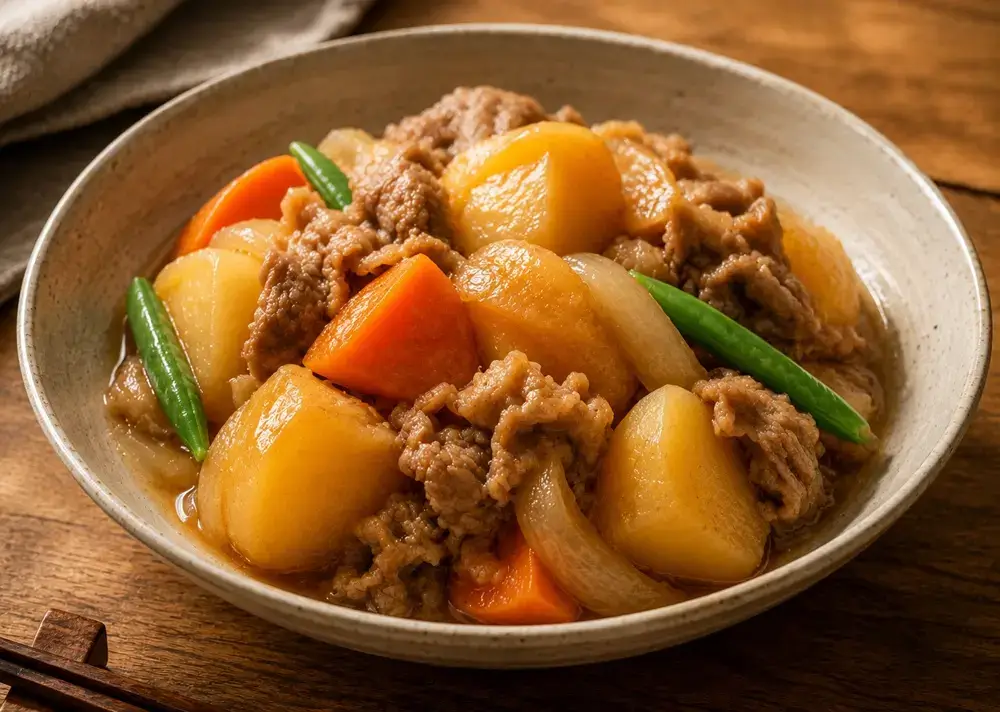
Photo by Untranslated Japan
It lets the soy sauce, dashi, meat, and vegetables settle into each other, so the whole thing tastes more balanced. This is why Japanese households keep both sugar and mirin on hand, each doing a different job.
What to look for
Choose hon mirin (true mirin) where you can. It's made from glutinous rice, rice koji, and alcohol, through fermentation and ageing.
Bottles labelled "mirin-style seasoning" contain little to no alcohol. Starch syrup and other additives are used instead, to imitate mirin's flavour. These do appear in everyday cooking, but they taste noticeably different from the real thing.
If you can find hon mirin, it's definitely worth choosing. If not, a good-quality mirin-style seasoning is a fine choice for everyday home cooking, and still adds more flavour than sugar alone.
Recommended products
For Australian readers, Spiral Foods Mirin Cooking Wine (500ml) is a true hon mirin and can be purchased from local supermarkets or Amazon. If you are in the US, Kawashimaya Mirin, made in Japan, is a reliable hon mirin option.
3. Cooking Sake
What is it?
Cooking sake is Japanese rice wine made specifically for cooking. It is produced from fermented rice, water, and koji, just like drinking sake, although some cooking versions also contain salt. It is a clear liquid that looks much like water, with a light aroma that disappears as it cooks.
Look through Japanese recipes and you'll notice how often sake shows up as a step. It's tempting to think you could skip it, since the alcohol cooks off anyway. You can still make the dish, but sake is doing more than adding alcohol.
It softens the smell of meat and fish, draws out their natural umami, and helps the other flavours settle in. Paired with soy sauce and mirin, it adds a depth that makes the finished dish taste more rounded.

Photo by Untranslated Japan
What to look for
Either cooking sake or drinking-grade Japanese sake will work. Cooking sake tends to be more affordable, and it usually comes with a small amount of salt already added. If you'd rather control the salt yourself, or want something good enough to drink as well, an unsalted Japanese sake is a fine choice. This is especially true if you live outside Japan and have difficulty finding authentic cooking sake; in most cases, drinking-grade sake is easier to find and gives you the pure ingredients you're looking for.
Recommended products
If you're in the US, Morita Premium Organic Cooking Sake is a reliable choice, with a rich umami flavour and a full-bodied fragrance. For readers in Australia, Hakushika Jungin (900ml) is a great option for home cooks.
4. Miso
What is it?
Miso is a thick fermented paste made from soybeans, rice or barley koji, and salt. It ranges in colour from pale beige to deep reddish brown, depending on the variety and how long it has been fermented.
Miso is one of the most beloved fermented foods in Japanese households. Most people picture miso soup first, but its use goes far beyond that. It's used to marinate fish and meat, to season stir-fries and simmered dishes, and to bring depth to a dressing for a salad or vegetable dish.
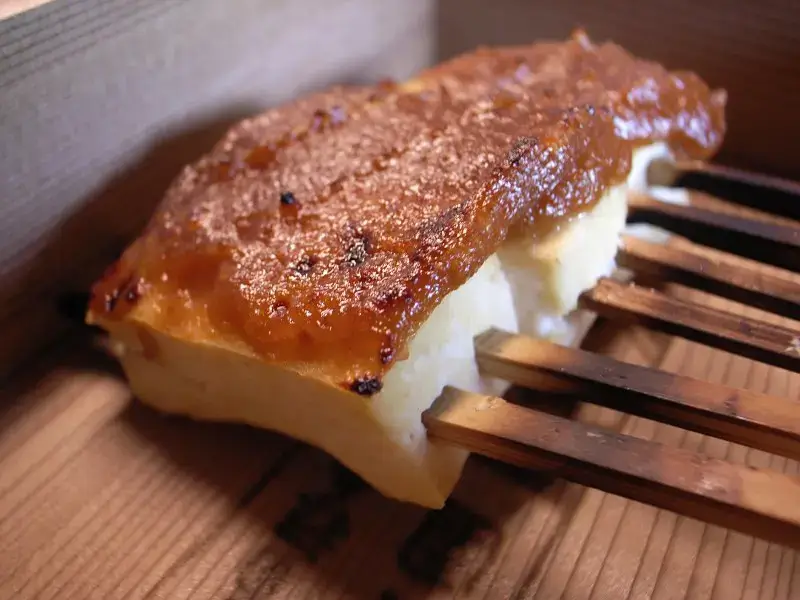
"田楽" by eiko, CC BY-SA 2.0
Like soy sauce, mirin, and sake, miso's real value comes from the deep umami that fermentation produces. Even a small amount adds richness and depth to a dish, which is why it's become one of the seasonings Japanese households reach for almost daily.
Japan has many regional varieties of miso, but if this is your first time cooking Japanese food, a rice miso (kome miso), either white or an awase (white miso blended with red miso) type, is the easiest to work into a wide range of dishes.
What to look for
Look for a miso with as short an ingredient list as possible. The three ingredients above are really all it needs.
Some products include added dashi, preservatives, or alcohol. Dashi-added miso makes miso soup quicker to prepare, but for simmered dishes, dressings, and marinades, a plain miso without added dashi is more versatile, since it lets you control the seasoning for each dish.
Start with one rice miso suited to everyday cooking, and you'll be able to use it for miso soup as well as a wide range of other Japanese home dishes.
Recommended products
If you're in the US, Shirakiku White Miso Soybean Paste (Shiro Miso) is a reliable option. For readers in Australia, Yamagen White Koji Miso (500g) is easy to find and works well for everyday cooking.
5. Rice Vinegar
What is it?
Rice vinegar is a mild vinegar made by fermenting rice into alcohol and then fermenting it again into vinegar. It is pale golden in colour and much gentler than white vinegar, with a soft acidity, a full-bodied aroma, and a faint natural sweetness.
Rice vinegar carries the sour notes in Japanese cooking. Most people associate it with sushi, but in Japanese households its use goes well beyond that. It appears in sunomono (vinegared salad), dressings, sweet-and-sour glazes and marinades, and even a small amount can sharpen a dish and clean up the finish.
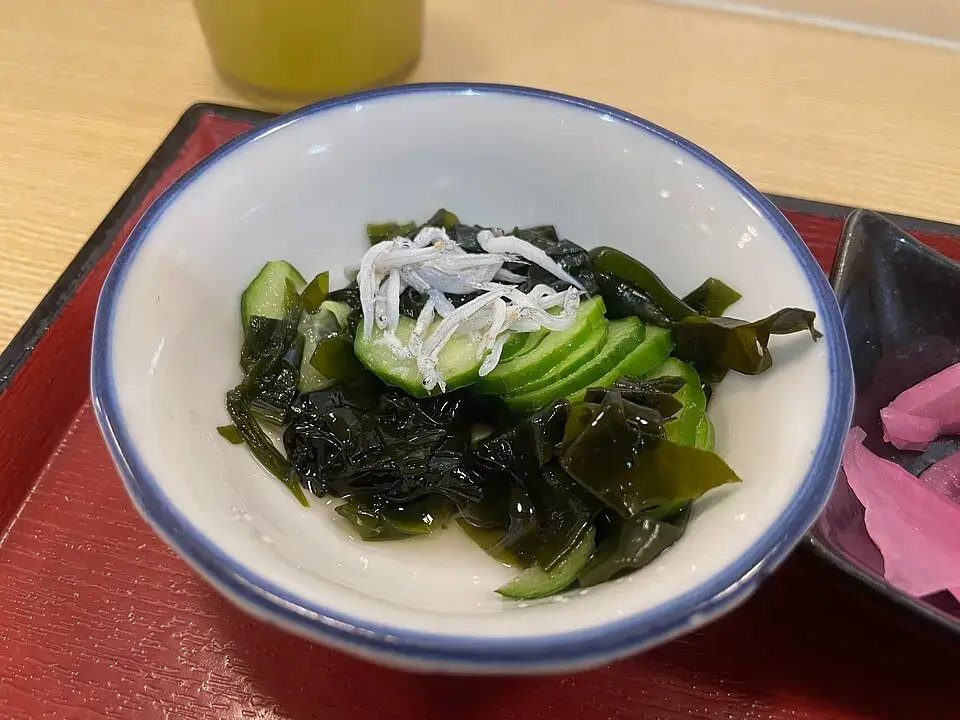
Kyu3a, CC BY-SA 4.0, via Wikimedia Commons
Swapping in rice vinegar wherever a recipe calls for vinegar is often enough on its own to bring a dish closer to how it would actually taste in Japan.
What to look for
Look for a bottle labelled simply "rice vinegar" or "rice wine vinegar," with rice and water as the only ingredients.
You'll also see "seasoned rice vinegar," sold as sushi vinegar, on the same shelf. It already has sugar and salt mixed in, which makes it convenient for sushi rice but less useful for everyday cooking. For regular use, choose a plain rice vinegar with no added sugar or salt.
With one bottle on hand, you can move well beyond sushi and salad dressings.
Recommended products
Mitsukan is the brand most commonly used in Japan. If you can't find it at your local Asian grocery store, Kikkoman Rice Vinegar is an excellent choice in the US, and Spiral Organic Brown Rice Vinegar is a great pick in Australia.
6. Dashi
What is it?
Dashi is the stock that forms the foundation of many Japanese dishes. It is traditionally made by extracting the natural umami from ingredients such as kombu (kelp), katsuobushi (dried bonito flakes), and sometimes dried shiitake mushrooms or dried sardines. Dashi is light, clear, and delicate, designed to enhance the ingredients rather than dominate them.
Playing a role similar to chicken or vegetable stock in other cuisines, dashi lets dishes taste satisfying with very little seasoning added on top. Miso soup, udon, soba, simmered dishes, and clear soups nearly all start here.
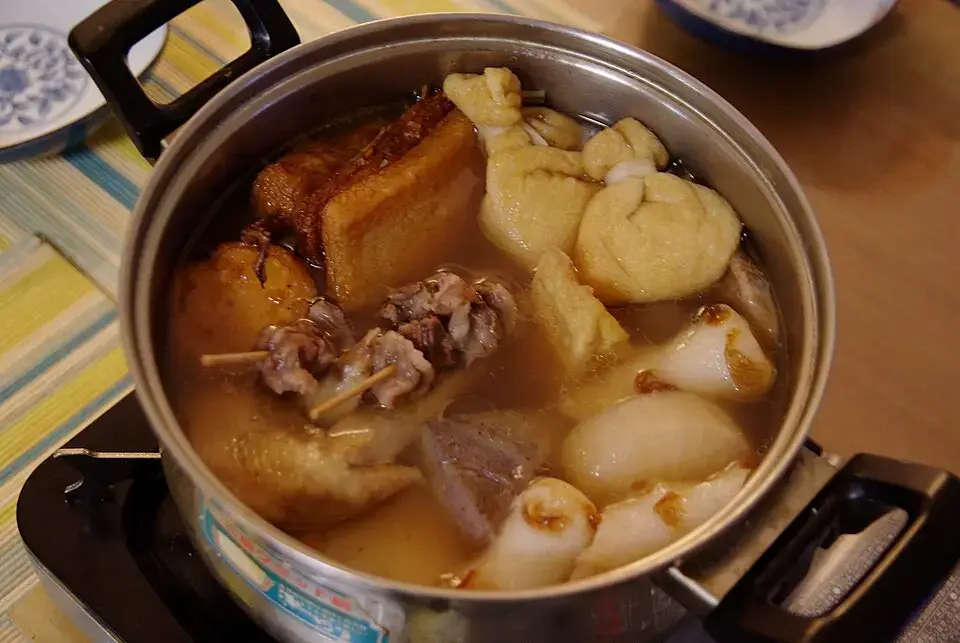
"Oden (Japanese cooked dish)" by pelican from Tokyo, Japan, CC BY-SA 2.0, via Wikimedia Commons
You can make dashi from scratch by simmering kombu and katsuobushi yourself. But Japanese households don't do this every time. For a daily bowl of miso soup or a quick weekday dinner, it's just as common to use granulated dashi or dashi packs. I usually make my own dashi blend by grinding kombu, katsuobushi, and dried shiitake into a fine powder. I keep the mixture in an airtight container, so making dashi is as simple as adding a teaspoon to hot water whenever I need it. If neither option is practical, granulated dashi is still a perfectly good choice. It's less of a shortcut than simply the everyday way many Japanese families cook.
What to look for
If this is your first time cooking Japanese food, granulated dashi is the easiest place to start. Dissolve it in hot water and it's ready to use in miso soup, simmered dishes, or udon broth.
Hondashi is the best-known granulated brand, widely available outside Japan and a staple in Japanese kitchens for decades.
If you want to recreate the flavours of high-end Japanese restaurants and don't mind spending a little extra time, dashi packs made from dried kombu, katsuobushi, and other ingredients are a good option too.
Recommended products
For granulated dashi, Hondashi by Ajinomoto is the most popular choice in Japan, and easy to find in many countries outside Japan. If you prefer no added salt and a more authentic, high-end flavour, Maekawa-taste Natural Soup Stock Pack (10g x 25) is a great option, with honest ingredients at a great price point (US).
Easy Dishes You Can Make With Just 6 Ingredients
With the staples from the last section in your kitchen, the foundation of Japanese home cooking is essentially in place. From here, it's just a matter of adding whatever meat, fish, or vegetables happen to be in the fridge that day. Chicken becomes teriyaki or oyakodon. Pork becomes ginger pork. Potatoes and onion become nikujaga. Tofu and wakame become miso soup.
Try This First: An Easy Microwave Teriyaki Sauce

Photo by Untranslated Japan
One of the easiest ways to see how these seasonings work together is to make a simple teriyaki sauce.
What you'll need:
- 1 tablespoon soy sauce
- 1 tablespoon sake
- 1 tablespoon mirin
- 1 tablespoon sugar (or ½ tablespoon if you prefer a less sweet sauce)
Method:
- Pour everything into a large microwave-safe bowl or measuring jug. (The sauce will bubble up as it boils.)
- Microwave until it comes to a full boil, then continue boiling for 1½ to 2 minutes, depending on the power of your microwave.
- Remove carefully and let it cool for a few minutes. As it cools, the sauce will thicken slightly and is ready to use.
- Brush it over nicely browned chicken, salmon, or tofu, or use it as a glaze for vegetables.
This series will use these same staples to cook Japanese home dishes with ingredients that are easy to find outside Japan. None of them call for advanced technique. Make your way through a few of them, and Japanese cooking starts to feel a lot simpler than it first seemed.
Frequently Asked Questions
What are the essential ingredients for Japanese home cooking?
Six staples cover most of what Japanese households cook with day to day: soy sauce, miso, mirin, sake, rice vinegar, and dashi. Combined in different ratios, they form the base of most everyday Japanese dishes.
Can I substitute regular vinegar for rice vinegar?
Regular white vinegar will work in a pinch, but it's noticeably sharper than Japanese rice vinegar, which has a softer acidity and a faint natural sweetness. For dishes like sunomono or sushi rice, rice vinegar gives a closer result.
What's the difference between mirin and mirin-style seasoning?
Hon mirin (true mirin) is made through fermentation from glutinous rice, rice koji, and shochu, and contains real alcohol. Mirin-style seasoning contains little to no alcohol and relies on added sweeteners to imitate the flavour. Hon mirin gives a more rounded, traditional result.
Do I need to make dashi from scratch every time?
No. Many Japanese households use granulated dashi or dashi packs for everyday cooking, and reserve dashi made from scratch for occasions when they have more time. Both are considered normal, everyday choices.
Where can I buy these Japanese pantry staples outside Japan?
Soy sauce, miso, mirin, sake, rice vinegar, and dashi are increasingly available at large supermarkets, and reliably found at Asian grocery stores or online.
Continue Reading

Some links in this article are affiliate links. If you make a purchase through them, Untranslated Japan may earn a small commission at no extra cost to you.