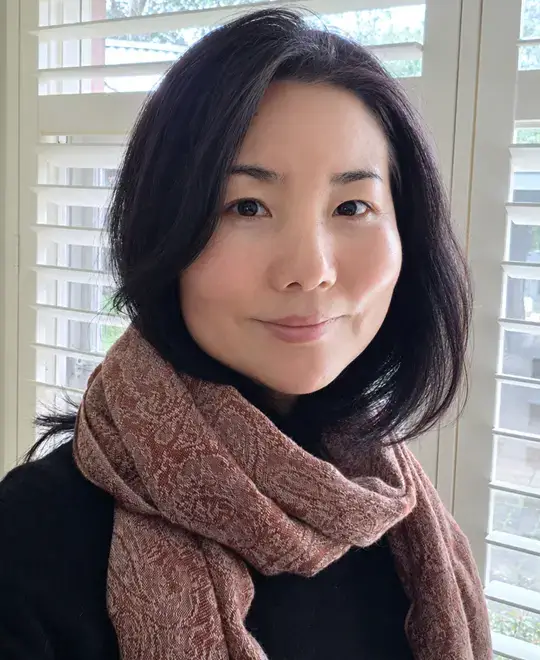

You ask her age because you have failed to guess it three times. Sixty? She laughs. Fifty-five? She laughs harder. Seventy-two, she says. And for a moment, you think Japan must know something the rest of the world does not.
Why Japanese People Can Look Younger Than Their Age
When I started looking more closely at this question, the first thing that became clear was that there was no single Japanese secret hiding behind it.
What we read as “looking younger” seems to come from several things layering on top of one another over many years: the way visible skin aging develops, how much sun the skin is exposed to, everyday eating patterns, how much movement is built into daily life, and the way skincare fits into all of that.
Being Japanese does not automatically mean aging more slowly. Genetics, environment, work, smoking, sleep, stress, and individual habits all matter. What becomes interesting is how several influences can accumulate in the same direction over many years.
- Skin does not show age in exactly the same way for everyone. Genetics and skin characteristics can affect when wrinkles, pigmentation, and other visible changes begin to stand out.
- Sun protection adds up over time. UV exposure contributes to photoaging and pigmentation, so habits that reduce it can make a visible difference later in life.
- Diet is probably better understood as a pattern. Traditional Japanese eating habits may support healthy aging, but no single food explains why someone looks younger.
- Movement is often part of the day rather than a separate workout. Walking to stations, shops, schools, and other everyday destinations can quietly add up.
- Skincare matters, but it is not the whole story. Gentle care and regular UV protection sit alongside biology, environment, and lifestyle rather than replacing them.
Taken together, these layers make more sense than searching for one anti-aging secret. The skin is the most obvious place to begin.
Skin Biology and Genetics Influence How Aging Appears
One thing I had never really thought about before researching this article is that skin does not simply “age faster” or “age slower.” It can show age in different ways.
That distinction matters when we talk about Japanese faces. In comparative studies, Japanese and other East Asian women have often shown fewer or less pronounced wrinkles than Caucasian women at the same age, especially in some areas of the face. But that does not mean the skin is escaping age. Pigmentation can become a much more visible part of the story.
A large study comparing German, Japanese, and Chinese women found exactly this kind of split. Wrinkles and pigment spots appeared in all three groups, but not in the same places, at the same ages, or with the same intensity. Cheek pigmentation was a characteristic sign of extrinsic skin aging in the East Asian groups, while some forms of wrinkling were more pronounced in the German women. Even within East Asia, the patterns were not identical.
Melanin is part of the reason. It is the pigment that gives skin its colour, but it also absorbs some ultraviolet radiation. Skin with more melanin therefore has a degree of natural protection against UV-related damage. That does not make it immune to photoaging. It changes the way some of that damage becomes visible.
This is where the familiar idea that “Asian skin does not wrinkle” starts to fall apart. A Japanese woman may develop fine lines later or less prominently in some parts of the face, while uneven pigmentation or dark spots become noticeable earlier. In other words, two people of the same age can be showing the effects of aging quite differently, and we may read one of those faces as “younger” simply because we tend to notice wrinkles first.
There are also measurable structural differences between populations, but this is where I think it is worth being careful. Research on things such as the thickness of the outer skin layer, barrier strength, and collagen structure is much less tidy than many beauty articles make it sound. Some findings conflict, and differences between individuals can be larger than the average differences between ethnic groups.
So genetics and skin biology probably give us part of the answer, but not the satisfying “Japanese people have better skin genes” explanation I expected to find. Biology changes the starting conditions. What happens to that skin over the next forty or fifty years still depends heavily on what it is exposed to.
And that brings us to something Japan is particularly difficult to ignore: the sun.
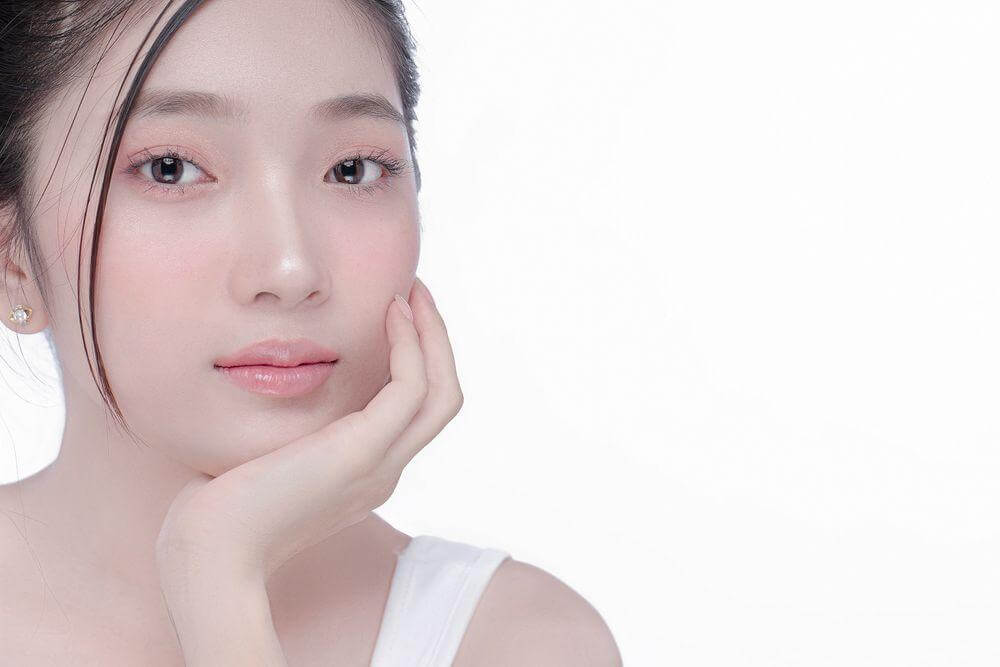
Photo by Minh Tâm Nguyễn Ngọc on Pexels
Sun Protection Starts Early and Becomes Part of Everyday Life
There is an old Japanese saying, iro no shiroi wa shichinan kakusu: “a fair complexion hides seven flaws.” The number seven is not literal. The idea is that pale, clear skin was considered beautiful enough to make other imperfections matter less.
I grew up hearing the phrase without thinking much about it. It only started to feel relevant when I looked into why Japanese skin can appear younger. Long before anyone was talking about UVA, collagen breakdown, or photoaging, avoiding a tan already made sense within Japanese beauty culture. Pale skin had been admired for centuries, and protecting it from the sun became part of everyday life.
In a Japanese summer, a parasol on the walk to the station does not look unusual. Neither do arm covers, wide-brimmed hats, UV-cut cardigans, or someone choosing the shaded side of the street. Sunscreen is only one layer. Keeping the sun physically off the skin is another.
What I had always thought of as a beauty habit looks different once you know what ultraviolet light does to skin. Repeated UV exposure is one of the main drivers of photoaging, contributing over time to wrinkles, loss of elasticity, and uneven pigmentation. The damage is cumulative, so the ordinary days matter just as much as the beach holidays.
That makes Japan's long habit of sun avoidance more interesting than the simple explanation that “Japanese women use sunscreen.” In a 2024 survey of 1,000 people in Japan, 70 percent of women said they regularly used sunscreen, while 67 percent said they stayed in the shade for sun protection. Only 44 percent of Japanese respondents considered tanned skin attractive, compared with 81 percent in Europe and 78 percent in North America.
The habit begins much earlier than the bottle. It sits inside a beauty ideal that made avoiding a tan feel normal long before modern dermatology could explain why reducing UV exposure matters.
A preference for lighter skin was never created as an anti-aging strategy, and that beauty ideal has its own complicated history. One unintended result is still hard to ignore: generations of women were encouraged to avoid something dermatologists now know plays a major role in visible skin aging.
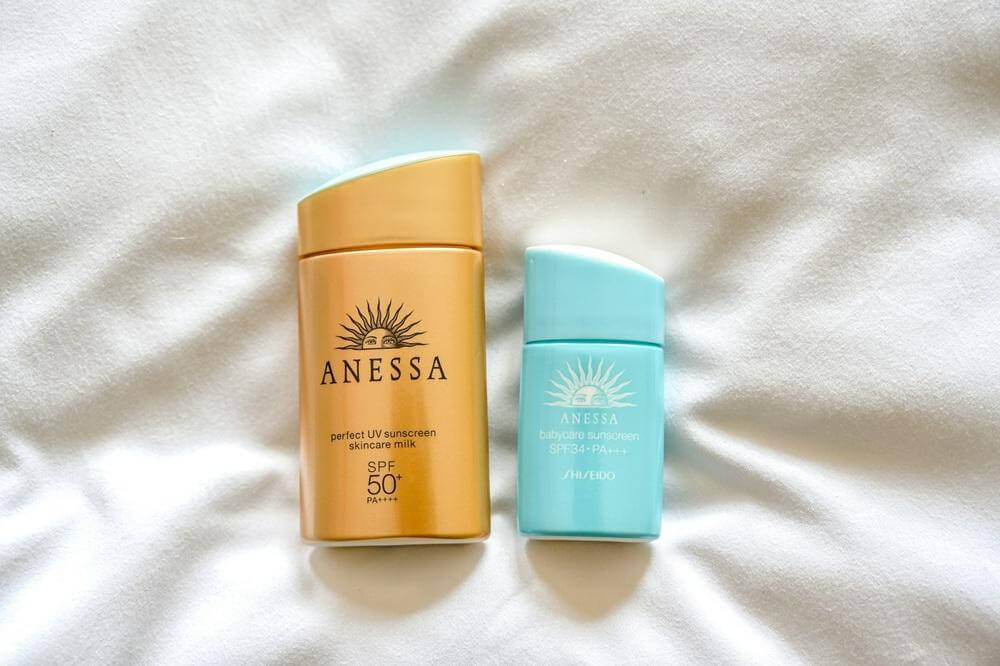
Modern Japan has made that habit easier to maintain, with lightweight daily sunscreens, UV-cut clothing, and countless other ways to block direct sun. The technology is new. The instinct to stay out of the sun is not.
Diet Supports Healthy Aging, but There Is No Miracle Food
If you search for the Japanese secret to youthful skin, food appears almost immediately. Green tea. Natto. Miso. Seaweed. Tofu. Each one is plausible enough to make a good headline.
The more I looked at the research, though, the less convincing the idea of a single anti-aging food became. The stronger evidence was about something much less glamorous: the pattern of the whole diet.
That makes sense when I think about the meals I grew up with. A traditional Japanese meal is not built around one enormous main dish. The old ichiju-sansai pattern (rice, soup, one main dish, and two side dishes) naturally puts several different foods on the table at once. Fish or tofu might sit beside greens, mushrooms, seaweed, pickles, or another vegetable dish. The structure is still familiar even as everyday eating has changed.
Large Japanese cohort studies point in the same direction. People whose diets more closely followed Japanese dietary patterns had lower rates of all-cause and cardiovascular mortality over many years of follow-up. Those studies do not tell us that miso prevents wrinkles or green tea keeps a face young. They tell us that the overall way of eating is associated with healthier aging.
There is some evidence that diet may show up in the skin too. In a study of 716 Japanese women, higher intake of green and yellow vegetables was associated with fewer visible crow's-feet after researchers accounted for factors including age, smoking, BMI, and lifetime sun exposure. It was an observational study, so it cannot prove that vegetables caused the difference. Still, I found it more useful than the familiar claim that one fashionable Japanese ingredient is doing all the work.
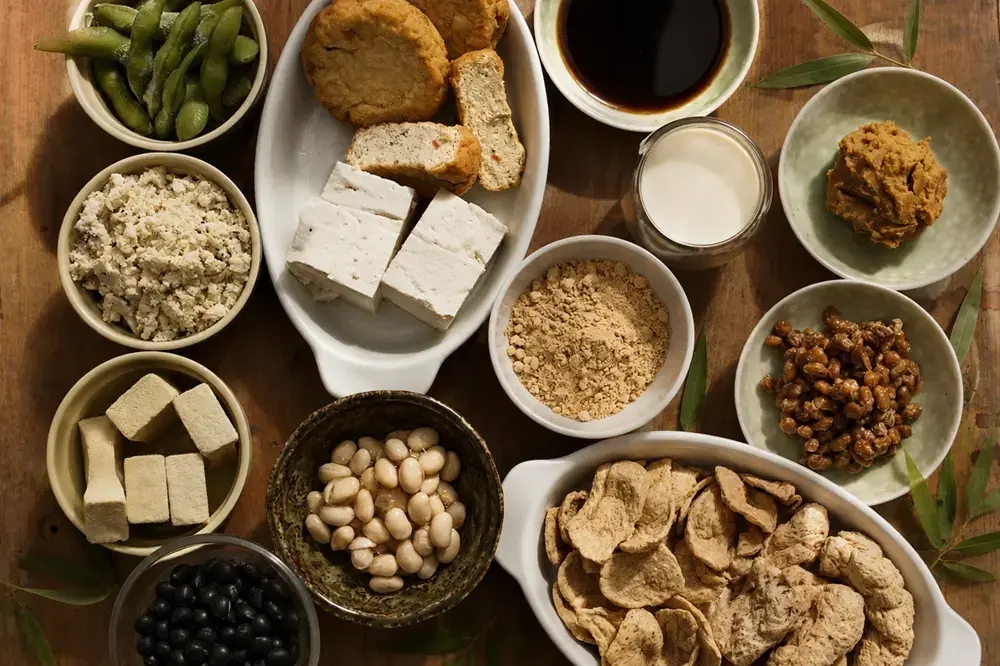
Fermented foods are another good example of where the story can run ahead of the evidence. Miso, natto, soy sauce, and pickles are ordinary parts of Japanese food culture, and researchers are increasingly interested in how fermented foods and the gut microbiome affect health. There is also growing research on the gut-skin axis, though that is not the same as proving that eating fermented Japanese foods makes skin look younger. For now, I think they belong inside the larger dietary pattern rather than on a list of anti-aging secrets.
Even the way food is cooked is more complicated than it first appears. High-temperature dry cooking such as frying, roasting, and grilling tends to create more advanced glycation end products, or AGEs, than moist methods such as boiling, stewing, and steaming. AGEs are interesting because glycation can affect proteins including collagen. Japanese cooking certainly makes frequent use of simmering, steaming, and raw preparations.
It also grills fish, fries tempura and tonkatsu, and cooks plenty of foods over high heat. I could not find good evidence showing that Japanese people consume fewer dietary AGEs overall because of their cooking methods. So the cooking-method theory is interesting, but not strong enough to use as an explanation for why Japanese people look younger.
The same caution applies to hara hachi bu, the idea of eating until you are about 80 percent full. It is strongly associated with Okinawa and is often presented overseas as a Japanese longevity rule. It is better understood as one regional tradition than as something all Japanese people consciously practise.
What remains after stripping away the superfood claims is a clearer picture. Japanese dietary research gives us good reasons to think that a varied, balanced pattern of eating can support health over a long life. There are hints that some parts of that pattern may also matter for the skin. But if we are trying to understand why someone looks younger than their age, diet is one layer of the answer, not a recipe.
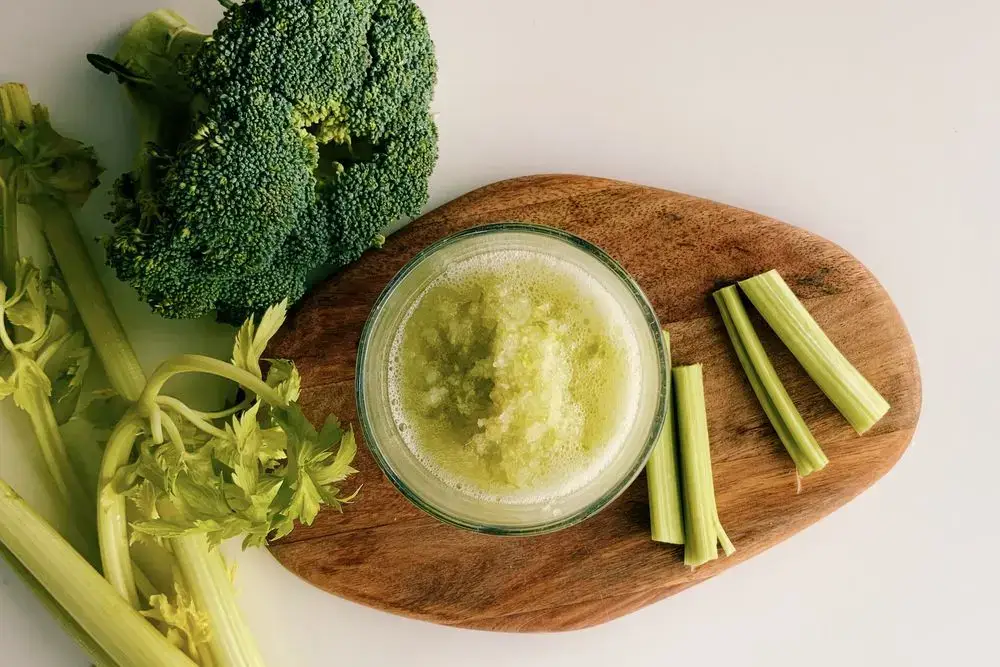
Photo by ROMAN ODINTSOV on Pexels
Daily Movement Is Built Into Everyday Life
When people talk about healthy aging in Japan, exercise is often part of the explanation. But that word can be misleading. It makes me picture a gym membership, running shoes, or an hour deliberately set aside to work out.
A lot of movement in Japan does not look like exercise at all.
If you commute by train, the journey usually begins before you reach the platform. You walk to the station, move through corridors, take stairs or escalators, stand while you wait, perhaps stand again on the train, then walk from the next station to wherever you are going. The same thing happens on a smaller scale when you walk to a supermarket, a convenience store, a clinic, or school.
There is a scientific name for this kind of movement: non-exercise activity thermogenesis, or NEAT. It means the energy we use doing ordinary things that are not deliberate exercise. Walking, standing, housework, gardening, and climbing stairs all count.
This is easiest to see in Japan's larger cities, where public transport builds walking into almost every journey. Rural Japan works differently: in many smaller towns and farming communities, cars are essential, and people may actually have fewer opportunities to walk. Daily activity can come from somewhere else instead.
When I think of rural life in Japan, I think of people weeding a vegetable patch, tending a garden, cutting grass around a house, sweeping leaves, working in a field, or taking care of seasonal jobs outside. Research among older adults in Japan has found that home and community gardening are associated with higher physical activity, while studies in agricultural communities show that farming remains a substantial source of physical work for some older residents.
The contrast is useful. In a city, movement may be built into getting from one place to another. In the countryside, it may be built into maintaining a home, a garden, or a piece of land. Either way, the activity often has a purpose beyond exercise itself.
Japan's own numbers keep this story in perspective. In the 2023 National Health and Nutrition Survey, adults averaged 6,628 steps a day for men and 5,659 for women, and both figures had fallen significantly over the previous decade. Japan is not a country where everyone effortlessly walks ten thousand steps a day.
The more interesting point is that movement can happen because daily life requires it. That does not explain younger-looking skin in the way UV exposure can, but it may shape another part of how we read age: posture, pace, balance, and the way someone moves through the world.
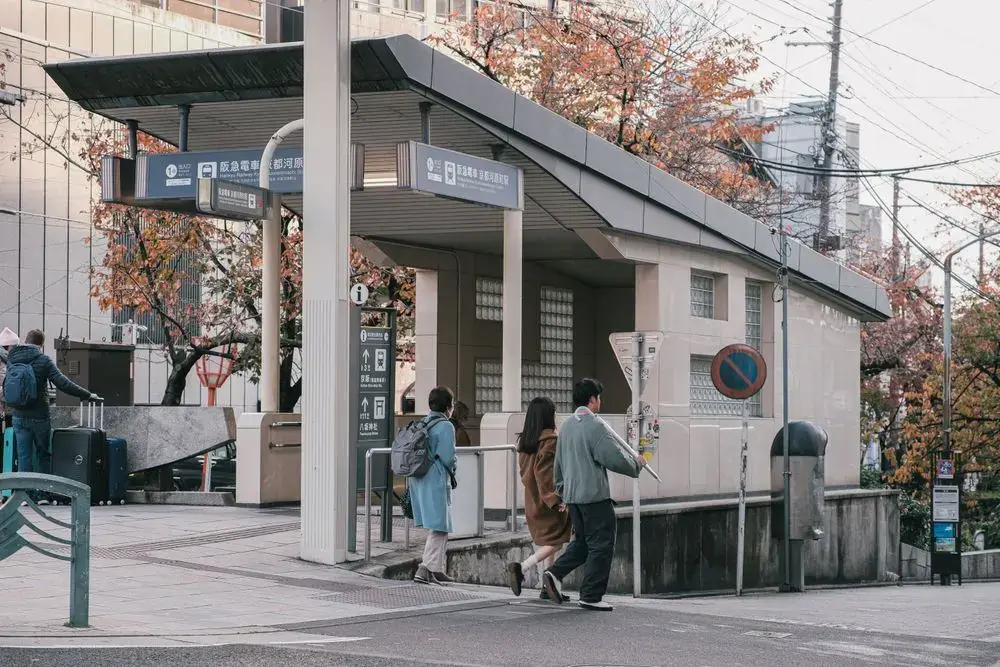
Photo by Huy Phan on Pexels
Skincare Matters, but It Is Only Part of the Picture
Skincare is probably the easiest part of this question to turn into a shopping list. Japanese sunscreen. Japanese lotion. Rice bran. Ceramides. A cleansing oil. Put enough products together and it starts to sound as though younger-looking skin can be bought one bottle at a time.
That is not really how I think about the skincare I grew up around.
What feels more familiar is a quieter idea: do not irritate the skin unnecessarily. Take makeup off properly. Do not scrub your face as though you are cleaning a kitchen bench. Keep the skin comfortable and moisturised. Protect it from the sun. Then do the same thing again tomorrow.
You can see that idea in something as ordinary as washing your face. Japanese drugstores sell foaming nets whose only job is to turn a small amount of cleanser into a mound of dense foam. Some cleansers come out of the bottle already foamed. The familiar advice is to let the foam cushion the skin rather than rubbing hard with your hands. It is a very recognisable part of Japanese skincare culture.
The emphasis on rubbing less has some basis in dermatology, not just folklore. Repeated friction can contribute to some forms of pigmentation, and Japanese dermatology has long recognised friction as a cause of friction melanosis. Even treatments that deliberately exfoliate the skin need care, because irritation and inflammation can themselves worsen pigmentation in some people.
Then there is keshōsui, the product usually translated into English as “lotion.” This can be confusing if you expect a lotion to be creamy. In Japan, keshōsui is usually a watery product used after cleansing, with hydration as one of its main purposes. It is such an ordinary category that rows of it fill Japanese drugstores, from very inexpensive bottles to prestige brands.
This is one of the more distinctive features of Japanese skincare. Hydration is treated as its own step, often through keshōsui applied after cleansing. Rather than treating moisturising as one final layer, Japanese skincare often separates adding water from sealing that moisture in.
Hydration matters for a straightforward biological reason. The outermost layer of the skin, the stratum corneum, is part of the barrier that keeps water in and irritants out. Ingredients such as ceramides and humectants can help support that barrier and improve water retention. They do not stop aging, but they can make dry or compromised skin function and feel better.
Japan also has a product category that does not map neatly onto the shelves in many other countries: iyakubugaihin, or quasi-drugs. Under Japanese regulation, these sit separately from ordinary cosmetics, and products containing active ingredients for certain approved purposes generally require marketing approval. You see the word yakuyō (“medicated”) on everything from lotions to creams in an ordinary drugstore.
The quasi-drug label is not an anti-aging guarantee. What is distinctive is the regulatory category itself, and the way approved active ingredients have become part of ordinary drugstore skincare. That is much more interesting to me than reducing J-beauty to a collection of exotic ingredients.
Double cleansing is another practical example. An oil or cleansing product can dissolve makeup and water-resistant sunscreen, followed by a gentler cleanser to remove what remains. The idea is straightforward: take off what has been put on the skin without relying on aggressive rubbing.
There is also an important limit to what skincare can do. A moisturiser can improve hydration. Certain active ingredients can improve pigmentation, acne, fine lines, or texture. Sunscreen can reduce future UV damage. But a cream cannot recreate the effects of decades of lower sun exposure, change someone's genetic starting point, or replace the broader effects of diet and physical activity on health.
So I would not put Japanese skincare at the top of the list of reasons Japanese people can look younger. I would put it beside the other habits we have already looked at. The point is not one remarkable ingredient, but what can happen when fairly ordinary care is repeated consistently for years.
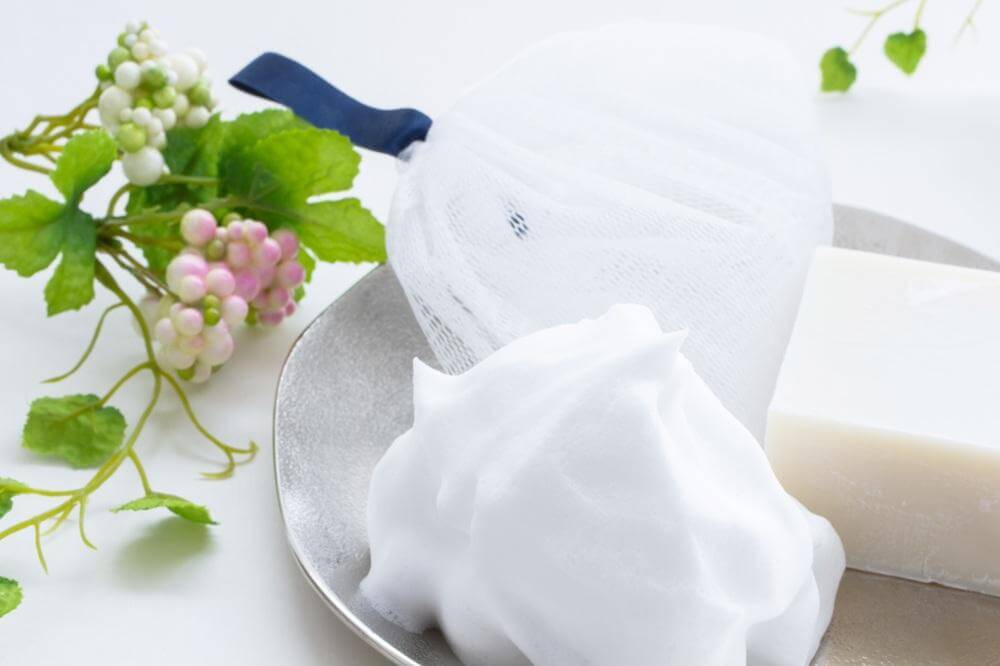
Photo by rose015 on Photo AC
Looking Young Is Not the Same as Aging Well
I started this article by wondering why age can be so hard to read on some Japanese faces. The answer turned out to be less about one remarkable cause and more about what builds up over time.
Some influences show themselves on the skin. Others shape how the body moves and functions from day to day. What matters is not one dramatic intervention, but the effect of ordinary patterns becoming part of life for years.
Appearance also has a way of turning into a question about function. A person can have smooth skin and still be unhealthy. Another can have deep wrinkles and still walk briskly, garden, travel, cook, meet friends, and manage an independent life. When we guess someone's age, we are not reading skin alone. We also notice posture, pace, energy, and the ease with which a person moves through the world.
Looking younger than your age is interesting, but it is only one small part of aging well. A more meaningful question is what your body and mind still allow you to do with the years you have.
And that leads to a different question about Japan. What helps people remain active and independent as they grow older, and what happens to their roles, responsibilities, and sense of being needed? Those questions move beyond appearance and into the culture surrounding aging itself.
That is a story I want to explore separately.
Frequently Asked Questions
Is it really true that Japanese people look younger than their actual age?
Not every Japanese person looks younger, but research does show that visible skin aging can develop differently across populations. Comparative studies have found fewer or less pronounced wrinkles in some facial areas among Japanese women than among Caucasian women of the same age, while pigmentation can be a more prominent sign of aging in East Asian skin. What we interpret as “looking younger” may partly reflect those different patterns, together with decades of sun exposure and everyday habits.
What is the main reason Japanese skin can look younger: genetics, diet, or skincare?
There is no single main cause. Skin biology affects how wrinkles, pigmentation, and other signs of aging appear, while UV exposure is one of the most important modifiable drivers of visible skin aging. Diet, daily movement, and skincare can support health and skin condition over time, but none of them works as a standalone anti-aging secret.
Do you need expensive anti-aging products to benefit from Japanese skincare habits?
No. Some of the most recognisable Japanese skincare habits are quite ordinary: cleansing without aggressive rubbing, using keshōsui to add hydration, moisturising to support the skin barrier, and protecting the skin from UV. Japanese drugstores offer products across a wide range of prices, so these habits do not depend on luxury serums or expensive treatments.
How do Japanese people stay active without going to the gym?
Much of the activity described in this article is movement built into ordinary life rather than formal exercise. In larger cities, walking to stations, moving through train networks, standing, and using stairs can add movement to everyday travel. In more rural areas, cars are often essential, but gardening, farming, property maintenance, and other physical tasks can provide activity for some people. Japan's 2023 National Health and Nutrition Survey recorded an average of 6,628 daily steps for men and 5,659 for women, so this should not be mistaken for a country where everyone automatically walks huge distances.
Is hara hachi bu, eating until you are 80 percent full, practiced by everyone in Japan?
No. Hara hachi bu is widely associated with Okinawan eating traditions and often appears in discussions of Okinawan longevity, but it is not a rule that every Japanese person consciously follows. Research on older Okinawans is more useful for understanding their historically lower-calorie, nutrient-dense dietary pattern than for treating “80 percent full” as a universal Japanese habit.
Continue Reading
References
Tsukahara, K., et al. “Comparison of age-related changes in facial wrinkles and sagging in the skin of Japanese, Chinese and Thai women.” Journal of Dermatological Science, 47(1), 19–28, 2007.
Vierkötter, A., et al. “The SCINEXA: a novel, validated score to simultaneously assess and differentiate between intrinsic and extrinsic skin ageing.” Journal of Dermatological Science, 50(3), 207–211, 2008.
Vierkötter, A., et al. “Ethnic differences in skin aging: a comparison of German, Japanese and Chinese women.” Journal of Dermatological Science, 83(2), 121–127, 2016.
小学館『精選版 日本国語大辞典』「色の白いは七難隠す」— earliest cited example from 世間娘容気 (1717).
Wong, Q.Y.A., Chew, F.T. “Defining skin aging and its risk factors: a systematic review and meta-analysis.” Scientific Reports, 11, 22075, 2021.
“Attitudes and behaviors regarding sun exposure in Japan compared to Europe and North America.” The Journal of Dermatology, 2024.
Kurotani, K., et al. “Quality of diet and mortality among Japanese men and women: Japan Public Health Center based prospective study.” BMJ, 352:i1209, 2016.
Matsuyama, S., et al. “Association between adherence to the Japanese diet and all-cause and cause-specific mortality: the Japan Public Health Center-based Prospective Study.” European Journal of Nutrition, 60(3), 1327–1336, 2021.
Nagata, C., et al. “Association of dietary fat, vegetables and antioxidant micronutrients with skin ageing in Japanese women.” British Journal of Nutrition, 103(10), 1493–1498, 2010.
Uribarri, J., et al. “Advanced Glycation End Products in Foods and a Practical Guide to Their Reduction in the Diet.” Journal of the American Dietetic Association, 110(6), 911–916.e12, 2010.
Ministry of Agriculture, Forestry and Fisheries of Japan. “Japanese Cuisine / Ichiju-Sansai.”
Levine, J.A. “Non-exercise activity thermogenesis.” Proceedings of the Nutrition Society, 62(3), 667–679, 2003.
Ministry of Health, Labour and Welfare, Japan. National Health and Nutrition Survey 2023.
Machida, D. “Relationship between Community or Home Gardening and Health of the Elderly: A Web-Based Cross-Sectional Survey in Japan.” International Journal of Environmental Research and Public Health, 16(8), 1389, 2019.
Tamada, Y., et al. “Neighborhood Environmental Factors and Physical Activity Status among Rural Older Adults in Japan.” International Journal of Environmental Research and Public Health, 18(4), 1450, 2021.
Hashimoto, I., et al. “Friction Melanosis.” Nishi Nihon Hifuka, 46(6), 1340–1344, 1984.
Japanese Dermatological Association. “Guidelines for chemical peeling in Japan (3rd edition).” The Journal of Dermatology, 39(4), 321–325, 2012.
Pharmaceuticals and Medical Devices Agency (PMDA). Guidance on the classification and approval of cosmetics and quasi-drugs in Japan.
Ministry of Health, Labour and Welfare, Japan. Regulatory information and standards for cosmetics and quasi-drugs.
Willcox, D.C., Willcox, B.J., Todoriki, H., Curb, J.D., Suzuki, M. “Caloric restriction, the traditional Okinawan diet, and healthy aging: the diet of the world's longest-lived people and its potential impact on morbidity and life span.” Annals of the New York Academy of Sciences, 1114, 434–455, 2007.