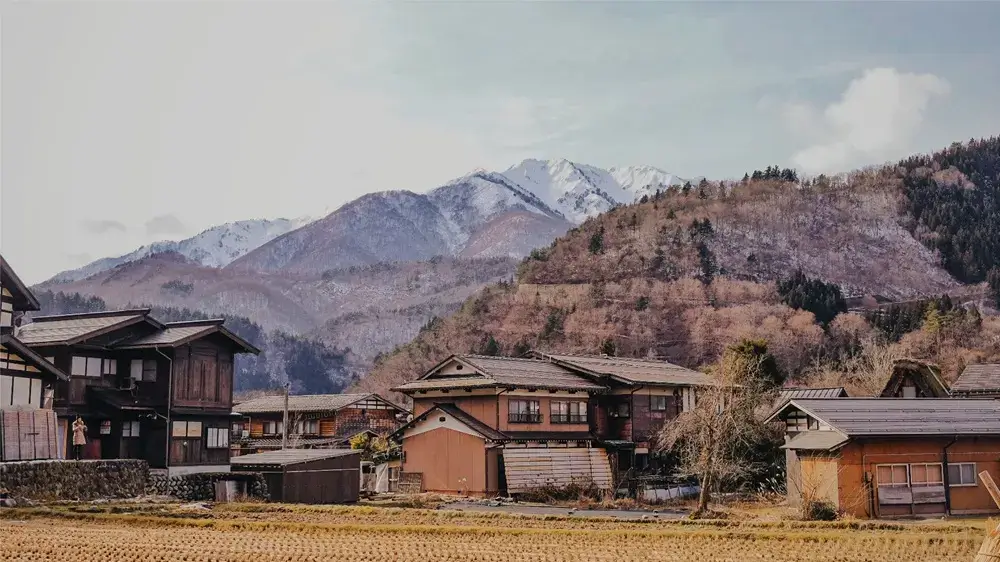
In parts of rural Japan, a fifty-year-old wooden house can be advertised as worth nothing at all.
The Property Paradigm of Japan and Australia
Browse property listings in a small Japanese city and you will eventually come across a curious phrase: "sold as is, old house included." The wooden house standing on the land, sometimes fifty years old, is treated as though it barely exists. A well-tended plum tree in the garden, thick pillars burnished amber with age, an engawa veranda that opens the house toward the yard. None of it changes the number on the listing. The building's value is zero. Some properties are even priced on the assumption that the buyer will demolish the house. The cost of demolition is simply deducted from the land value.
Walk through an established Australian suburb and the picture reverses entirely. Houses of a similar age routinely sell for many times their original purchase price. People buy old houses on purpose. They spend weekends repainting verandas, replacing kitchens, and moving in with evident pride.
Two houses, roughly the same age. One is loved as an asset that carries a family's history forward. The other is treated, eventually, as waste to be cleared. The difference is not simply a matter of taste, or of one culture caring more about old things than the other. It reflects two very different economic histories, and two very different ways housing markets were built.
In Australia, strong demand for housing and the expectation that land will continue to gain value make older homes worth keeping and improving. Renovation therefore feels like a reasonable investment rather than a risk.
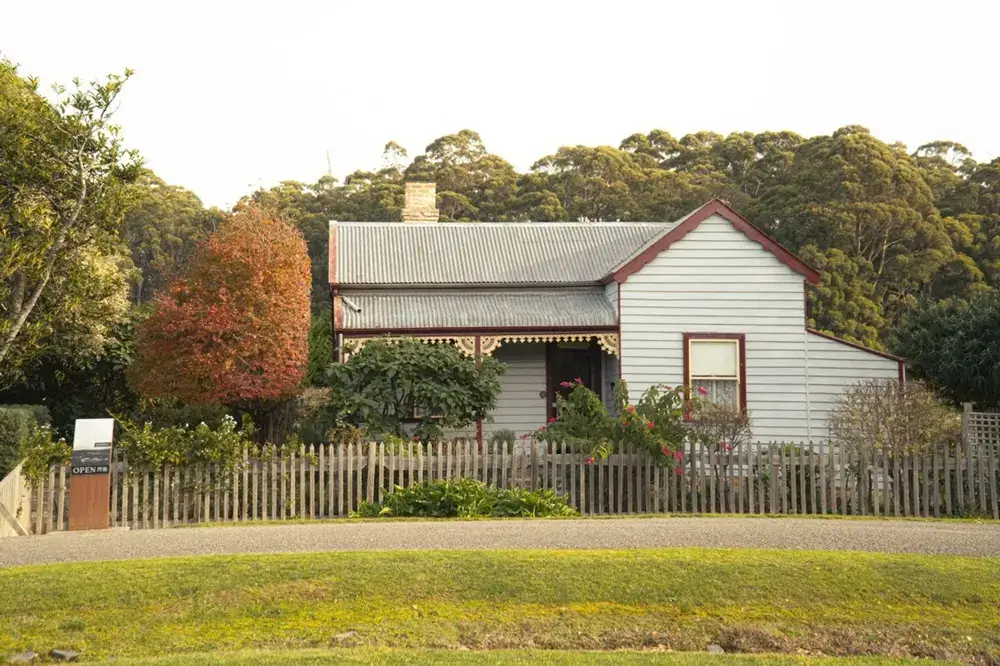
Photo by Anh Thu Le from Pexels
Come across a substantial old farmhouse somewhere in rural Japan listed for just a few hundred thousand yen, and it's hard not to wonder if there's been a mistake. The logic that shapes housing markets elsewhere, where age tends to add value, simply does not apply here.
Why did Japan come to value houses so differently? And why is it changing now?
The Post-War Boom of Modern Japanese Homes
Today, the kominka, Japan's traditional old farmhouse, has become something of a symbol. Thick beams rising out of the shadows, walls of breathing earth, an engawa that blurs the line between inside and out. Travellers arrive expecting a finished kind of beauty, one that seems to move at the pace of the seasons.
Only a few decades ago, most Japanese people wanted nothing to do with that image. What they longed for was its opposite entirely: a house that was new, square, and modern.
In the immediate aftermath of the Second World War, Japan's cities lay in ashes, and the shortage of housing was severe. As reconstruction began, huge numbers of people moved from the countryside into cities in search of work. The moment called for housing that could go up fast, in volume, and cheaply, not a wooden house built slowly by hand. Quality was not the point. Speed was.
The government built public housing complexes one after another. Private companies scaled up prefabricated construction. As the postwar economy boomed, new suburbs spread outward from the cities, filled with rows of gleaming new homes. These houses came to represent something larger than shelter. They stood for recovery itself, and for a decisive break from the darker years that had come before.
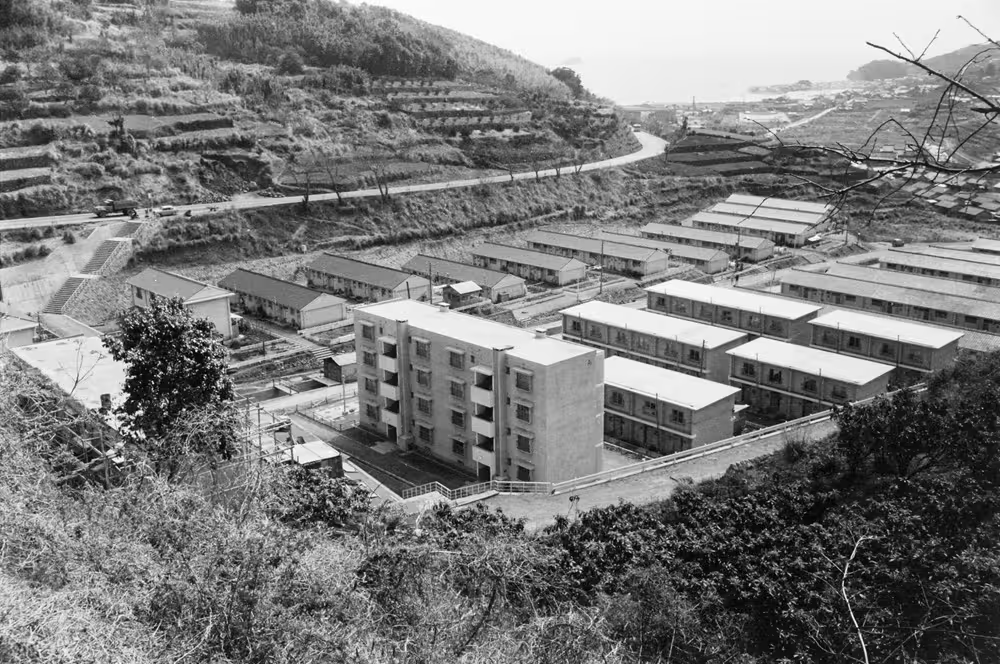
Source: "17-07 1965年日見大曲団地", by 長崎市, CC BY 4.0, via 長崎市歳時記.
As rebuilding gathered pace, replacing older homes rather than maintaining them gradually became the norm. Tax depreciation rules for wooden houses reinforced that pattern, and over time a wider market convention emerged: after around twenty to twenty-five years, the building itself was often treated as having little or no value, regardless of its actual condition. Later revisions to earthquake and insulation standards strengthened the preference for newer homes, making older houses seem increasingly difficult to justify.
This was never simply a matter of shifting taste. It marked a change that ran through the foundations of how people in Japan actually lived.
The beams and earthen floors that we now find charming in a kominka were, for the people who once lived among them, something to be endured. Traditional wooden houses in Japan grow bitterly cold in winter. Damp earthen walls invited mould. Rooms divided only by paper shoji and fusuma screens offered almost no privacy. Splitting firewood, shivering through draughts, watching for leaks in the roof and rot beneath the floor: keeping such a house habitable demanded constant labour from the people who lived there.
The new mass-produced houses offered a kind of comfort that had never been ordinary before.
Rooms with locking doors. A stainless steel kitchen. A private, clean bathroom. A flush toilet. These features cut dramatically into the burden of housework that had shaped daily life for generations. Insulation and modern window sashes brought a new, almost unbelievable sense of security: warmth indoors, even through winter.
Working hard, taking out a thirty-five-year mortgage, and building a new house in the suburbs became a mark of success. Choosing instead to live in a high-maintenance old wooden house all but disappeared as an option people would actively consider.
As millions of families made the same choice, modern housing spread rapidly across Japan. In the process, the old wooden houses that had sustained generations of Japanese families were, almost without anyone deciding it, pushed quietly to the edges of the landscape.
The Reality of Akiya: Japan's Abandoned Houses
People can move on to a new, comfortable home. An old house can only stay where it is. From the day its occupants leave, and the hands that once tended it fall away, a traditional wooden house begins to age in an entirely different way. These vacant homes are known in Japan as akiya.
Japan is home to wooden buildings that have stood for a hundred, even two hundred years. Seeing that alone, it would be easy to assume traditional Japanese wooden architecture is simply sturdy, capable of enduring on its own. That assumption is mistaken. What actually survives that long is a house that has been continuously lived in, and continuously, faithfully maintained.
Opening the shutters every morning to let air move through the house. Airing out the tatami. Adjusting doors and fittings that have shifted slightly out of true. Noticing a loose roof tile or a small leak and repairing it at once, replacing a single damaged floorboard with care. Traditional Japanese wooden houses were built to be lived with, not simply lived in. Their longevity depended on generations of small acts of care, repeated day after day, year after year.
The moment people are no longer present, the everyday attention that holds the house together begins to fall away. Moisture builds inside a sealed-up house, and Japan's hot, humid summers work without mercy on the timber beneath the floor. A leak too small for anyone to notice can, over time, rot a heavy beam and draw in termites. What accelerates the decline of a traditional house is not the simple passage of time. It is the disappearance of the person who once tended it. That absence alone becomes the fatal wound.
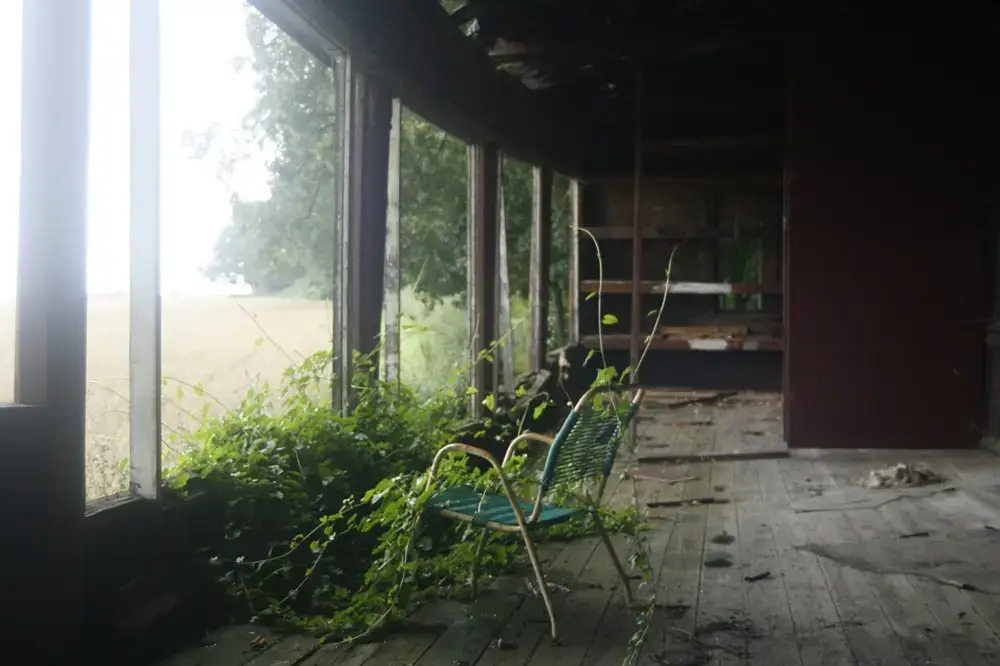
Photo by Lutz Stallknecht on Unsplash
During the years of rapid economic growth, many young people left their family homes in the countryside to build new lives in Japan's growing cities. As their parents grew old and eventually passed away, the family house was left behind, often with no one willing or able to take it on.
These houses had been built on the assumption that one generation would simply replace the next. Parents grew old there. Children grew up there. But that cycle gradually broke. The children had already established lives of their own elsewhere, and returning to maintain an ageing house in the countryside no longer made practical sense.
Looking at a weathered old house, it is tempting to see only a decaying building. But many of the empty houses scattered across rural Japan have not simply reached the end of their structural life. They have been left stranded, almost by accident, in the middle of a sweeping shift away from a way of life built around the daily care of a home and toward one designed for greater ease and convenience.
Statistics put the number of vacant houses in Japan today at over nine million. The real weight of that figure is not simply an excess of buildings. It reflects decades of population decline and the concentration of people in major cities. These houses are the visible traces of a way of life that quietly came to an end.
The Reasons Behind the Rise of Kominka Renovation
For a long time, Japan's traditional houses were treated as relics of the past. A house that lost its residents simply decayed, and its eventual replacement with something modern and low-maintenance felt like the natural order of things. Seen against that backdrop, the recent revival of kominka renovation looks like a strange development. Warm, earthquake-resistant, highly engineered prefab houses and apartments are available in abundance. Why would anyone deliberately choose a house that is over a hundred years old?
The answer is not simple nostalgia for an inconvenient past. Look closely at the people who choose to live in a kominka and a shared thread emerges. They are not drawn to old buildings as a symbol. What they are choosing is something the current market cannot sell at any price: genuine materials and the craftsmanship of the people who worked them.
Look more closely at a kominka, and its value begins with the structure itself. In many traditional houses, the beams and pillars are not hidden behind finished walls. They support the building while also shaping the rooms we see and move through. Their beauty does not come from decoration added later, but from the visible logic of how the house stands.
Many of these timbers are unlike those commonly used in new houses today. They may retain the natural curve of the original tree, or be cut from trunks large enough to span a room in a single piece. Dense, generously proportioned structural timber of this kind has become increasingly difficult to obtain. Even when an entire house cannot remain where it was built, individual beams, pillars, doors, and carved fittings can sometimes be dismantled and used again in another building.
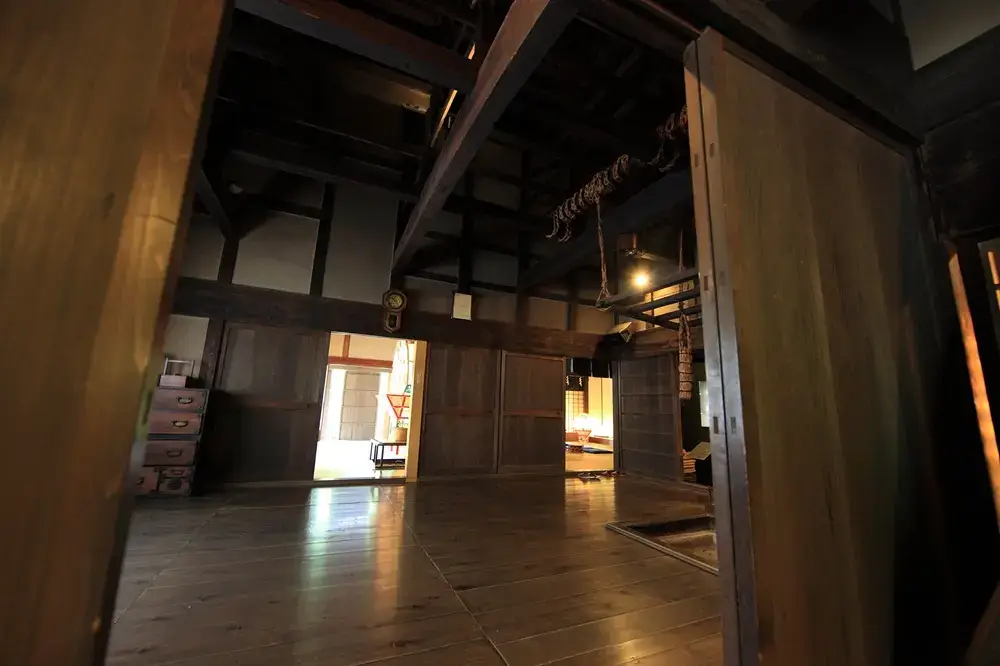
"Japanese traditional style farm house / 古民家(こみんか)" by TANAKA Juuyoh (田中十洋), CC BY 2.0
Age has also changed the material itself. Smoke from an irori, the traditional open hearth once used for cooking and heating, together with the fine oils carried in the rising smoke, gradually soaked into the timber over decades, giving it the deep colour and natural sheen that new wood cannot replicate. Sunlight, air, touch, and repeated cleaning continued that process over generations. Small cracks, tool marks, and careful repairs do not diminish the house. They distinguish one piece of timber from another, creating a surface that cannot be ordered new or reproduced on demand.
This is one reason a kominka cannot be understood simply as an outdated wooden house. Its structure is also its interior character. The materials carry the conditions of the region where the house was built, the skill of the people who shaped them, and the physical evidence of years of use. Its history is written into the wood itself. In some cases, the value lies in preserving the whole building. In others, it may survive through the careful reuse of the materials themselves.
Once people begin to see the building in this way, another question follows naturally: not only what is worth preserving, but what kind of life such a house might still make possible.
The Timeless Art of Sumitsugu in Rural Japan
Living in a kominka is not without compromise. A traditional wooden house, left untouched, is cold in winter, difficult to insulate, and poorly suited to modern expectations of comfort. Few people who renovate a kominka today are trying to recreate the past exactly as it was.
Instead, they adapt it. Modern insulation is added, underfloor heating installed, kitchens and bathrooms redesigned, while the old timber frame remains at the heart of the house. The goal is not preservation for its own sake, but to create a home that is comfortable enough to live in for decades to come.
The relentless physical labour once required simply to survive in such a house belongs to the past now. Yet living in a traditional wooden home still asks for a certain level of care. Windows are opened to let air move through the house. Small changes are noticed before they become serious problems. Rather than seeing these habits as inconvenient, many residents come to see them as part of the rhythm of everyday life.
As they settle into that rhythm, many discover that what they value has begun to change. A kominka offers more than old timber and beautiful craftsmanship. It encourages a different way of living: one that leaves room for conversation on the wooden engawa veranda, welcomes neighbours through the open earthen-floored doma, and softens the boundary between people, nature, and the home itself. Gradually, the house stops feeling like something that simply provides shelter, and begins to shape the life unfolding inside it.
Watching these renovations across Japan, another idea quietly emerges.
Sumitsugu.
The word combines two Japanese verbs: sumu, to live, and tsugu, to pass on. It describes an approach that is neither preserving a house as a museum piece nor treating it as something to consume before replacing. Instead, it means receiving a house from those who lived there before, adapting it to the needs of the present, and preparing it, in time, for whoever comes next.
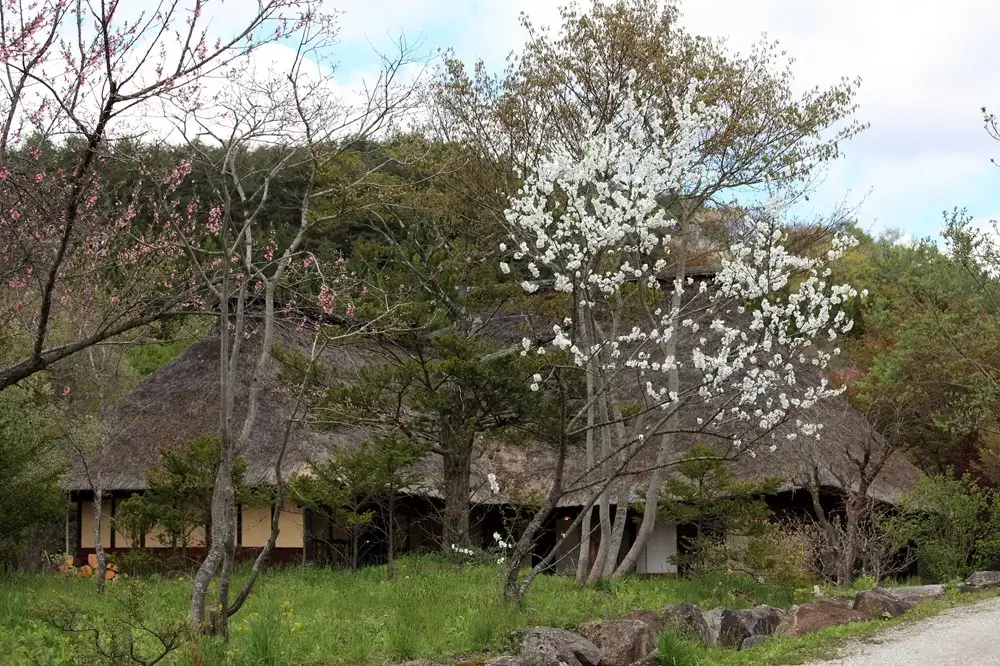
"Japanese traditional style farm house / 農家(のうか)" by TANAKA Juuyoh (田中十洋), CC BY 2.0
Look closely at a kominka and you will find traces of those previous lives everywhere. Roof tiles repaired after a storm. Floorboards replaced when the family grew. Walls replastered against another winter. The house is not frozen in time. It is the accumulated record of generations responding to the ordinary demands of everyday life. To live in sumitsugu is not to reset what previous generations have built, but to lay your own short span of time gently over that rich foundation. This is why people who live in a kominka often come to feel less like an owner, and more like someone briefly entrusted with a much larger span of time.
Perhaps that is why the renewed interest in kominka feels significant. It is not simply about old houses. It reflects a broader change in how people think about home itself. After decades of pursuing what was new, efficient, and maintenance-free, more people are beginning to ask not only what they want to live in, but how they want to live, and what they hope to leave behind.
Frequently Asked Questions
Why are old houses in Japan often valued at zero?
Japanese tax depreciation conventions treat wooden houses as worthless after around twenty to twenty-five years, a habit that took hold during the postwar push to build housing quickly. Stricter earthquake codes introduced in 1981 and 2000 also make many older houses look risky to buyers, and in shrinking regional towns, demolition costs can exceed what the land itself is worth.
What is a kominka?
A kominka is a traditional Japanese house, typically built with a heavy timber frame, earthen walls, and features such as an engawa veranda and a doma entryway. Many surviving examples are over a hundred years old.
Why does Japan have so many abandoned houses?
Population decline, migration to major cities, and the disappearance of the daily maintenance that traditional houses depend on have left over nine million houses vacant across the country. Without residents tending them, humidity and pests can cause rapid structural decay.
Is living in a renovated kominka comfortable by modern standards?
Most kominka renovations keep the original timber frame while adding modern insulation, underfloor heating, and updated kitchens and bathrooms. This combines traditional character with the comfort that made people leave these houses in the first place.
What does the Japanese word sumitsugu mean?
Sumitsugu combines the verbs "to live" and "to pass on." It describes the practice of receiving a house from previous residents, adapting it for present use, and eventually handing it on to the next generation, rather than treating it purely as property or as a static artefact.