
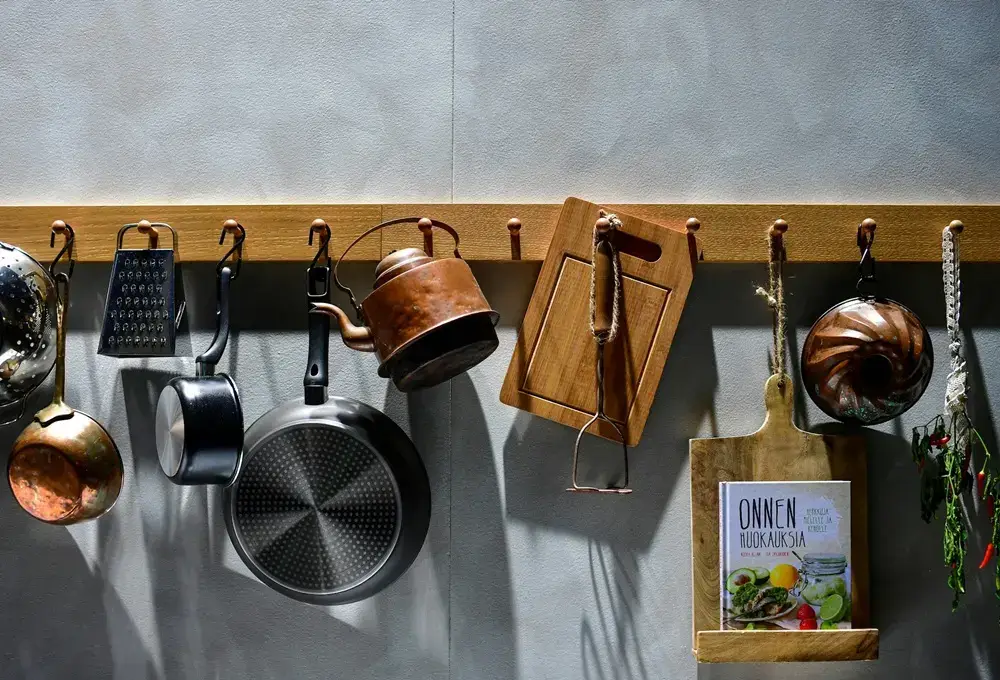
Walk into almost any Japanese home centre, or even a 100-yen shop, and you'll notice something within the first few minutes.
Nearly every shelf holds a tool for one very specific job.
A container designed specifically for freezing cooked rice. A magnetic rack that turns the unused side of a refrigerator into storage. An eco bag that folds itself away with a single pull.
At first, many of these products can seem oddly specific. Do you really need a dedicated tool for that?
Then, after using one for a few weeks, you notice that you keep reaching for it instead of the one you used before.
The bag no longer needs to be folded. The shelf that once felt cluttered suddenly works more smoothly. None of these changes feels dramatic, yet together they make everyday life a little easier.
This is one of the most distinctive qualities of Japanese household products. Their purpose is rarely to impress you. Their best ideas are often so subtle that you only appreciate them after they have become part of your daily routine.
Why Japanese Household Products Rarely Solve Big Problems
When people think about innovation, they often imagine dramatic breakthroughs: a new technology, a revolutionary appliance, a product that promises to transform everyday life.
Japanese household products usually aim somewhere else.
Rather than solving one enormous problem, they often remove dozens of tiny ones.
A handle is shaped so your wet hands don't slip quite so easily. A storage container stacks without wasting a few centimetres of space. A cleaning brush reaches the corner that ordinary brushes miss. A peeler removes just enough skin without taking too much of the vegetable underneath.
Small changes like these are easy to overlook because the products rarely advertise themselves as revolutionary. Instead, they reduce friction so quietly that the design almost disappears.
Perhaps that's why many visitors to Japan have the same experience.
They buy what seems like an ordinary kitchen tool or cleaning accessory as a souvenir, only to find themselves recommending it to friends months later. Not because it does something new, but because it does something ordinary a little more thoughtfully.
The best Japanese household products don't ask you to learn a new way of living. They simply make the way you already live feel slightly easier.
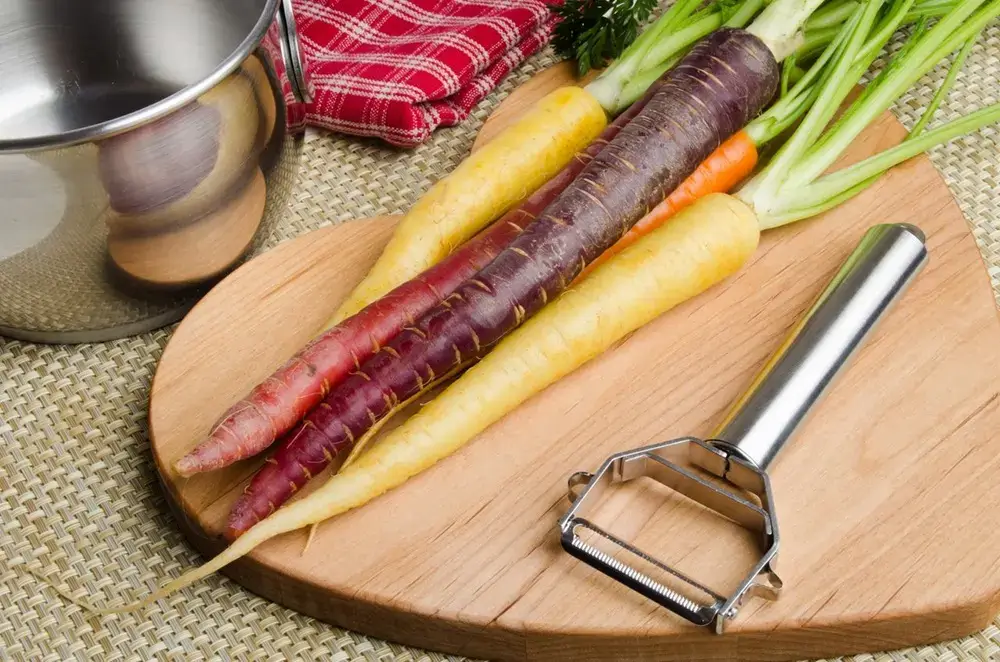
Photo by Jason Deines from Pexels
Why Japan Needed Household Products Like These
It would be easy to explain these products by saying that Japanese people simply enjoy clever design.
The reality is probably much more practical.
Many of the everyday conditions of life in Japan have encouraged people to pay close attention to small inefficiencies. Not because they are especially inconvenient on their own, but because they are repeated every day.
Take a typical Japanese kitchen.
Compared with many homes in Australia or the United States, Japanese kitchens are often much smaller. Counter space is limited. Storage is limited. Every centimetre has to work harder.
A container that stacks neatly, a magnetic rack that creates storage where there wasn't any before, or a tool that performs two jobs instead of one isn't simply convenient. In a compact kitchen, those small improvements can make daily cooking noticeably smoother.
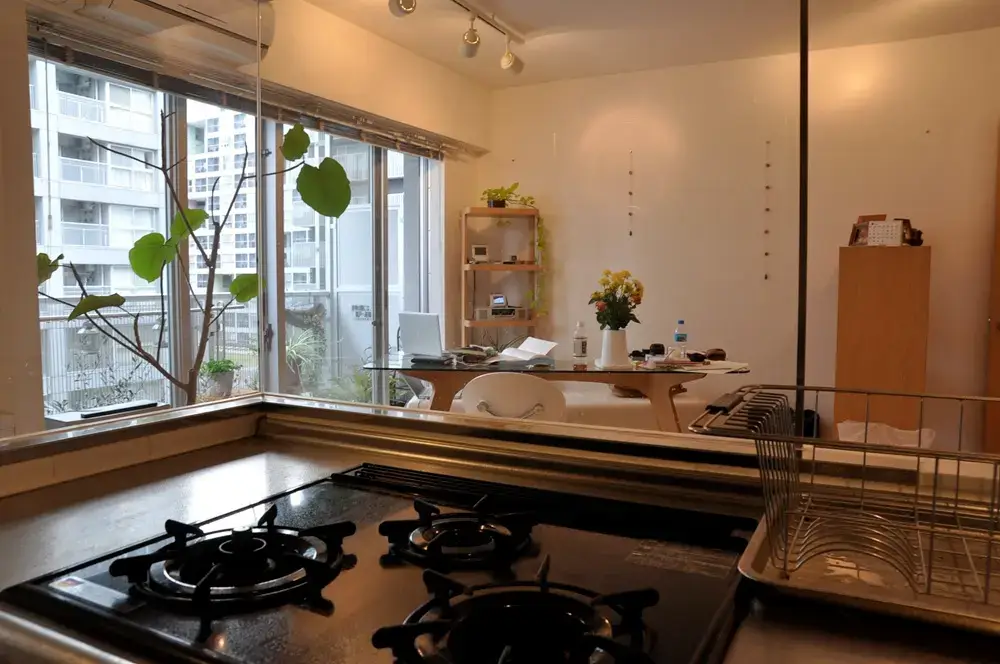
"DSC_0038.JPG" by Banzai Hiroaki, CC BY 2.0
Cleaning follows the same logic.
It's rarely thought of as a task reserved for weekends. Small tasks are often done as they arise. A few minutes wiping the kitchen after dinner. A quick pass with a lint roller before guests arrive. A bathroom surface dried before water marks have time to form.
When everyday routines happen frequently, even tiny improvements begin to matter.
Grocery bags tell the same story.
In many countries, folding a reusable shopping bag is a minor inconvenience that people simply tolerate.
In Japan, kitchens tend to be smaller, and so are the refrigerators that fit inside them. That often means grocery shopping happens more frequently, sometimes almost daily. The same action repeats itself every time: unfolding the bag to use it, then folding it away again. That repetition led to products like the Shupatto bag, which collapses with a single pull.
This way of thinking extends well beyond household products.
Japanese manufacturers have long competed in markets where many companies produce similar items with comparable quality. When everyone can make a reliable peeler or storage container, the difference often lies in details that only become obvious after weeks or months of everyday use.
The handle feels slightly better. The lid closes more smoothly. The product is easier to wash before putting it away. Together, these details create the quiet satisfaction of a product that simply works the way you hoped it would.
Japanese Household Products That Quietly Remove Everyday Frustrations
Put these products side by side, and the shared thread is easy to spot.
Line up enough of them, and the same handful of moves keeps reappearing. Not official rules, just patterns that repeat: removing an extra movement, removing extra washing, or removing the need for extra storage.
The products below don't promise to transform your home or lifestyle. They simply make ordinary routines feel a little smoother.
Some people call these Japanese kitchen gadgets, but they're really everyday tools designed to remove small frustrations from cooking.
Making Everyday Cooking Easier
MARNA Stand Rice Paddle
A rice paddle is one of those kitchen tools you use constantly, yet there is never quite an obvious place to put it while serving rice. Resting it on the bench leaves grains behind, while placing it on a small dish creates another item to wash.
MARNA simply redesigned the shape so the paddle stands upright by itself. A tiny change removes both the question of where to put it and the need for an extra plate.
AUX leye Miso Stirrer
Making miso soup usually involves measuring the paste with one spoon before dissolving it with another utensil.
The Miso Stirrer measures a consistent amount of miso and dissolves it directly into the soup. Measuring and mixing become a single movement rather than two separate steps.
AUX leye Yubisaki Tongs
Preparing raw meat often means repeatedly washing your hands before touching seasoning bottles, utensils or vegetables.
Designed to feel like an extension of your fingertips, these slim tongs let you handle ingredients with surprising precision. Instead of constantly stopping to wash your hands, you simply keep cooking.
Kokubo Tuna Can Spoon
Many people still use the can lid to drain oil from tuna, leaving oily fingers and the lingering smell of fish on their hands.
This small spoon drains the liquid cleanly while also lifting the tuna from the can. It's a tiny tool designed to solve a problem most people simply put up with.
Making Small Spaces Work Better
Yamazaki Home Kitchen Multi Eco Stand
Reusable bottles, zip-top bags and food containers all need somewhere to dry, yet they rarely stay upright on their own.
This foldable stand provides a stable place to dry bottles, support reusable bags while filling them, or even hold a small rubbish bag during food preparation. When it's no longer needed, it folds flat into a drawer.
Yamazaki Home Slim Rolling Storage Cart
Bathroom storage is often an afterthought, and the narrow gaps beside a toilet or sink tend to sit empty because so few storage pieces are slim enough to fit there.
This narrow rolling cart tucks into that unused space, then rolls out on its wheels whenever you need full access to what's stored inside.
Making Everyday Tasks Simpler
MARNA Shupatto Compact Bag
Reusable shopping bags are good for the environment, but folding them neatly after every shopping trip quickly becomes tedious.
Pull both ends and the bag instantly collapses into a long strip ready to roll up. It becomes compact enough to slip into a jacket pocket, making it easy to carry even when you hadn't planned to go shopping.
Kai Stainless Steel Nail Clipper
In many countries, trimming your nails indoors means tiny clippings scatter across the floor, leaving another small mess to clean up afterwards.
Kai's design catches the nail clippings as you cut. It's such a simple idea that many people in Japan take it for granted, yet visitors are often surprised that such a thoughtful feature isn't more common elsewhere.
Frequently Asked Questions
Why are Japanese household products considered so well designed?
Japanese household products tend to focus on removing small, repeated frustrations rather than adding features. Because many everyday routines in Japan, such as cooking in a compact kitchen or cleaning small spaces frequently, involve the same small movements over and over, manufacturers have paid close attention to details that only become noticeable after weeks of daily use.
What makes Japanese kitchen gadgets different from ordinary kitchen tools?
Japanese kitchen gadgets are often designed around a single, specific task rather than trying to do many things at once. This narrow focus allows small details, such as where a utensil rests or how a lid closes, to be refined in ways that general-purpose tools usually overlook.
Are Japanese household products worth buying if I don't live in a small space?
Many of these products were shaped by the realities of compact Japanese homes, but the small frictions they remove, such as an awkward grip or an extra step in a daily task, exist in kitchens and bathrooms of any size. The benefit usually comes from repetition rather than square footage.
Do Japanese convenience gadgets make good gifts?
Compact, thoughtfully designed items such as the Shupatto folding bag or a well-made rice paddle travel easily and tend to be appreciated precisely because their usefulness reveals itself gradually, making them memorable gifts rather than novelty items.
Continue Reading


This article contains affiliate links. If you purchase through these links, Untranslated Japan may earn a small commission at no additional cost to you.