Why I Started Making My Own Kinako
Everyone in my family loves mochi, and our favorite way to eat it is coated generously in kinako. I've always loved kinako too, especially that roasted aroma and gentle sweetness, and I often sprinkle it over yogurt or ice cream as well.
Trouble is, kinako isn't something I can easily find in Australia. Even Asian supermarkets don't always carry it, so whenever I went back to Japan, I'd buy several bags and bring them home with me.
But kinako doesn't keep as long as I once assumed. More than once I found an open bag still sitting in the pantry as the best-before date crept closer. Buying it in bulk just didn't suit the way we actually used it.
That's when I started wondering whether I could make it myself.
By then I was already making natto and miso at home, so working with soybeans didn't feel unusual. I almost always had dried soybeans in the kitchen, which meant I could try making kinako the moment the idea occurred to me.
And it turned out to be far simpler than I expected.
There was no need to soak the soybeans first. I just roasted them dry, let them cool, and ground them into a powder. I'd always assumed getting that roasted aroma right would take a lot more work than this.
Since then I've stopped bringing bags of it back from Japan. When we're in the mood for kinako mochi, or I need a little for something else, I just make a small batch from the soybeans already in the cupboard.
Kinako isn't something I have to bring back from Japan anymore. It's just something I make.
What Is Kinako?
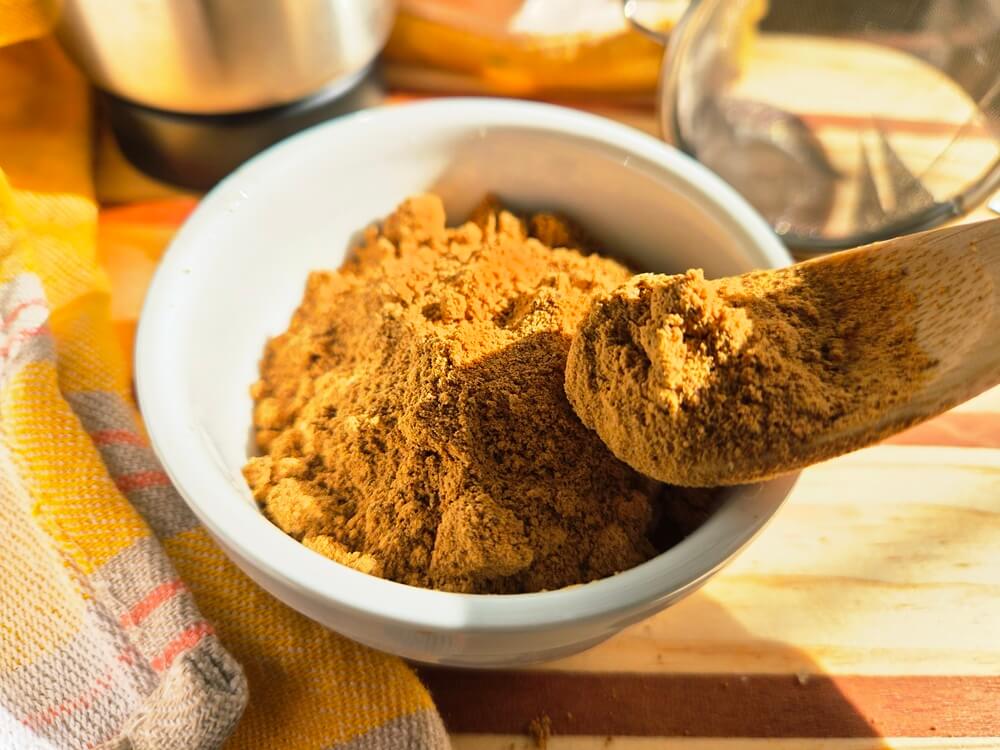
Kinako is made by roasting soybeans and grinding them into a fine powder. In English it's usually just called roasted soybean flour.
The ingredients could hardly be simpler, but roasting changes the soybeans completely. The raw, beany smell fades, and in its place comes that warm, nutty aroma kinako is known for. I never really thought about how much of that flavor comes from a single step until I tried making it myself.
In Japan, kinako has been paired with mochi and traditional sweets for generations. Kinako itself isn't sweet, but it's often mixed with sugar or served with kuromitsu, a dark sugar syrup, so most people know it from desserts.
On its own, though, kinako tastes more roasted and mellow than sweet.
And because it starts with soybeans, there's nothing special you need to make it at home. If you have dried soybeans in the cupboard, you're already halfway there.
How to Make Kinako From Dried Soybeans
© Untranslated Japan
Add dried soybeans to a frying pan and roast them over low to medium heat, stirring often so they don't burn. As they roast, the color slowly deepens and that familiar roasted kinako aroma starts coming through.
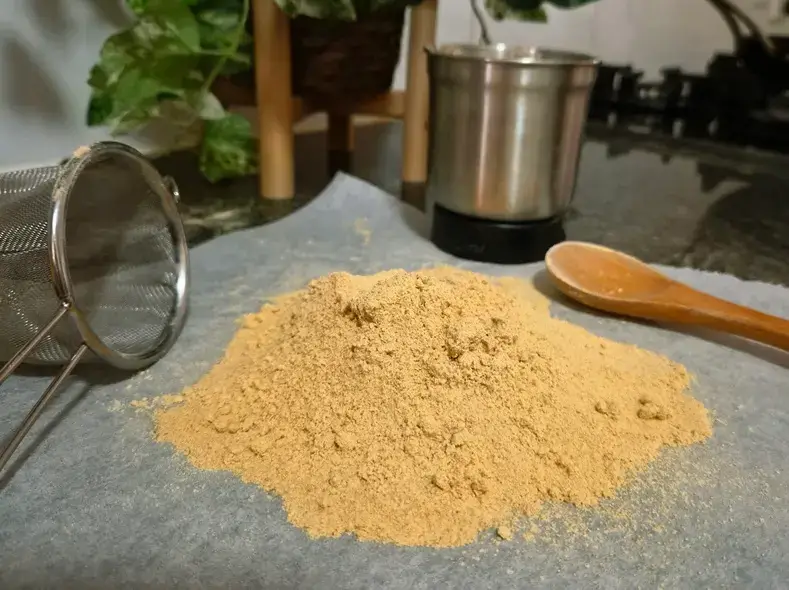
Once they're evenly roasted, let them cool completely. Then transfer them to a spice grinder or blender and grind them as finely as you can.
The first time I made kinako, this was the part that caught me out. It looked about right, but next to store-bought kinako, mine was noticeably coarser.
A very fine sifter fixed it. I sift the powder, then send any larger pieces back through the grinder for another round. That extra step makes a real difference: the finished kinako comes out much smoother and easier to use.
I also filmed the whole process, from roasting the soybeans to grinding them into powder. If you want to see exactly what the beans should look like as they roast, the video makes it much easier to follow.
Easy Ways to Eat Kinako
Mention kinako and most people picture mochi or traditional Japanese sweets. But it's actually much easier to work into everyday food than that.
I prefer gentle sweetness to anything too sugary, so at home I mostly just add kinako to things I already eat: yogurt, ice cream, toast, and oatmeal, instead of piling on more sugar.
Here are a few simple ways we use it at home.
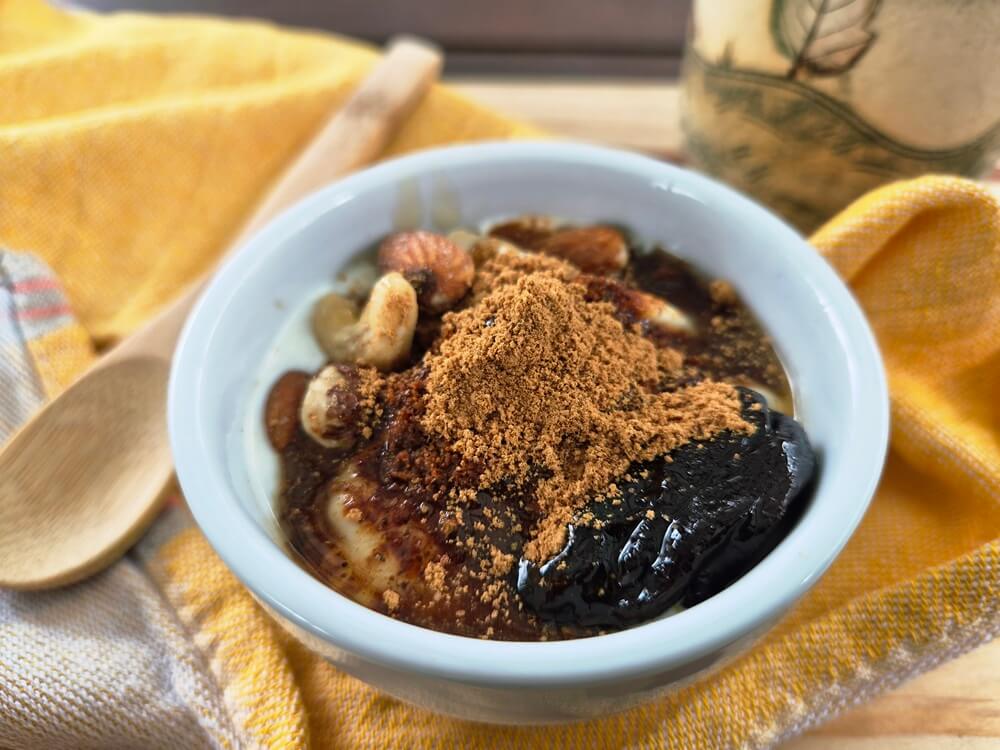
Kinako Yogurt
© Untranslated Japan
The easiest option is plain yogurt with kinako sprinkled over the top.
The roasted flavor softens the sharpness of the yogurt, so it tastes good even without added sugar. If I want it a little sweeter, I add a small drizzle of honey.
It takes almost no effort, and that's probably why it's the one I reach for most.
Kinako Ice Cream
Vanilla ice cream with kinako on top is just as simple.
The cold sweetness of the ice cream works really well with kinako's roasted flavor, and the combination starts to taste a little like a Japanese dessert.
If you're trying kinako for the first time, this is about as easy as it gets.
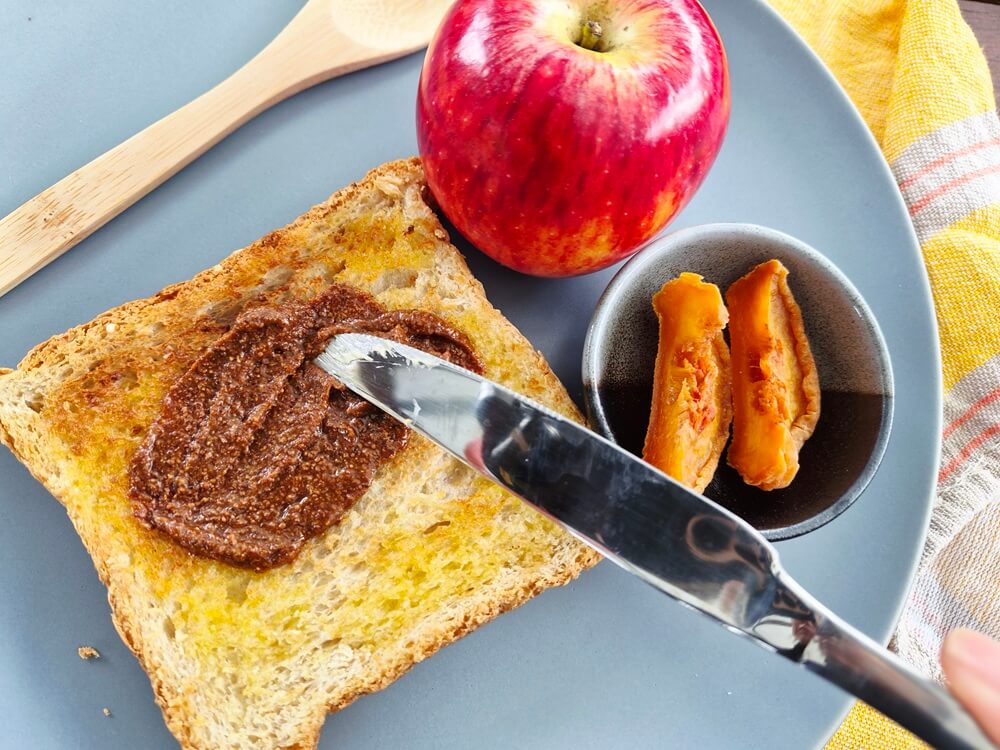
Kinako Toast
© Untranslated Japan
For toast, I mix kinako, honey, and butter into a paste.
A good starting ratio is about 2 parts kinako to 1 part honey and 1 part butter. Mix everything together, then spread it over hot toast.
The kinako brings a roasted, nutty flavor, and the butter rounds it out. It's a good one for breakfast, or a quick snack when you want something a little sweet.
Kinako Oatmeal
Kinako also works well in oatmeal.
I just stir some into my usual bowl to add a roasted flavor, and it pairs especially well with banana or a little honey.
Because it's already a fine powder, it stirs in easily, no extra effort needed.
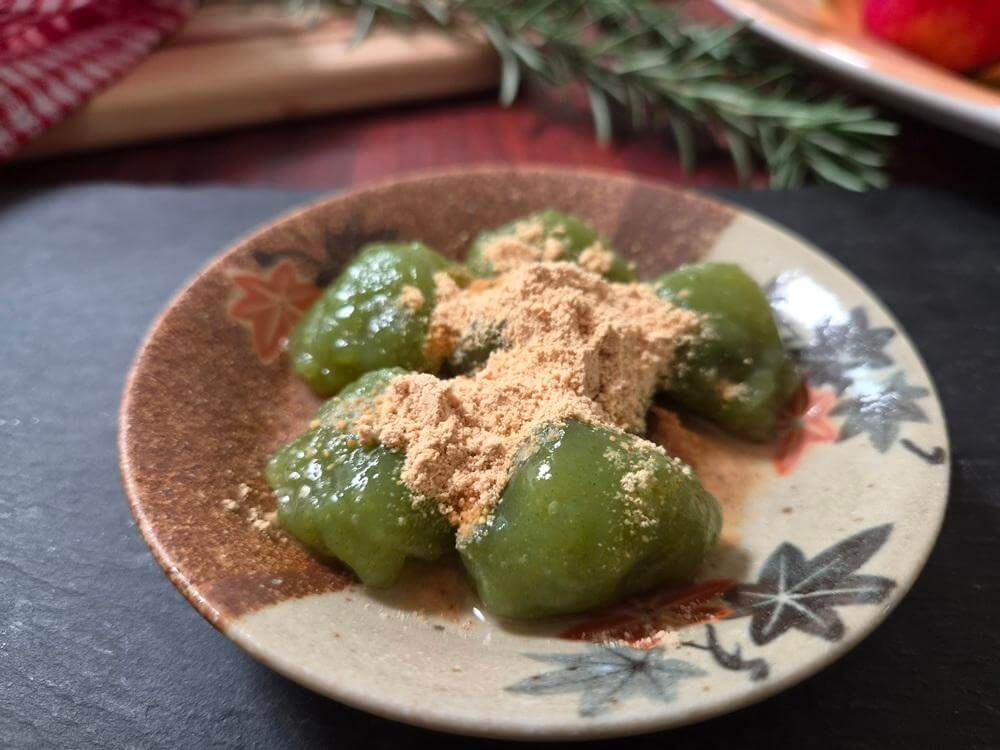
Kinako Matcha Warabi Mochi
© Untranslated Japan
For something a little more traditionally Japanese, I like serving kinako with warabi mochi.
Traditional warabi mochi is made with warabi starch, which can be difficult to find outside Japan. At home, I sometimes make a much simpler version with ingredients that are easier to get.
The soft, chewy texture is perfect with plenty of kinako on top. You can add kuromitsu or extra sugar if you like, but I prefer it sweet enough that the roasted flavor of the kinako still comes through.
Ingredients
- 20 g cornstarch
- 20 g sugar
- 2 g matcha powder
- 120 g water
- Kinako, for coating
If you prefer a sugar-free version, you can use a sugar substitute of your choice.
Method
- Add the cornstarch, sugar, and matcha powder to a microwave-safe bowl.
- Pour in the water and mix well until there are no lumps.
- Microwave for 1 minute, then remove and stir thoroughly.
- Continue microwaving in 30-second intervals, stirring well each time, until the mixture becomes translucent, thick, and stretchy. Mine took only 1 minute 30 seconds in total.
- Drop spoonfuls of the mixture into cold water and let them firm up.
- Serve with a generous amount of kinako.
- Serve straight away, or chill briefly before eating.
I filmed the whole process from mixing and heating the ingredients to dropping the dough into cold water and finishing it with kinako. For this version, I mixed matcha into the warabi mochi itself. Matcha and kinako are one of my favourite flavour combinations.
How to Store Homemade Kinako
Store homemade kinako in a clean, dry, airtight container. It isn't just moisture you need to watch out for. Light and surrounding smells can affect kinako too, so keep the container well sealed and out of direct sunlight.
If you're not going to use it quickly, the refrigerator or freezer is the safer option. Roughly speaking, homemade kinako keeps for about a month in the fridge and three to six months in the freezer.
When storing it in the refrigerator, put it back as soon as you've taken out what you need. Leave the container out too long and condensation from the temperature change can creep in. A tightly sealed container also helps stop other food smells from getting in.
For freezing, it helps to divide the kinako into small portions first. That way you can take out only what you need without repeatedly thawing and refreezing the rest.
Kinako gradually loses some of its roasted aroma over time, so even though it can be stored for months, I still prefer making it in smaller batches and using it while the flavor is fresh.
Frequently Asked Questions
What nutrients does kinako contain?
Kinako is made from roasted soybeans, so it contains many of the same nutrients as soybeans, including plant-based protein, dietary fiber, iron, calcium, and potassium. It also contains soy isoflavones and oligosaccharides.
It's easy to sprinkle into things like yogurt or oatmeal, which makes it a simple way to add a little extra nutrition to everyday meals.
How much kinako can you eat per day?
Around 1 to 2 tablespoons, or roughly 10 to 20 grams, is a reasonable daily amount for most people.
If you eat other soy foods regularly too, such as tofu, natto, and miso, it's worth thinking about your overall soy intake rather than kinako on its own.
What happens if you eat too much kinako?
Eating a large amount at once can cause bloating, stomach discomfort, or diarrhea, since kinako contains both fiber and oligosaccharides.
It also contains fat and calories from soybeans, so there's no need to eat large amounts just because it's nutritious. A small amount added to your usual meals is plenty.
Can babies and children eat kinako?
Kinako can be used in baby food, but soy can cause allergic reactions, so it's best to start with a very small amount the first time.
Dry powder can make babies or young children cough or choke, so mix it into something moist, such as porridge, yogurt, or soup, rather than serving it on its own.
Does kinako need to be refrigerated?
Unopened store-bought kinako can usually be kept at room temperature, as long as it's stored away from direct sunlight, heat, and humidity.
Once opened, or if you're storing homemade kinako, keep it tightly sealed and refrigerate it to protect it from moisture and surrounding smells. You can also freeze it for longer storage.
For homemade kinako, I use about one month in the refrigerator and around three to six months in the freezer as a general guide.